Follow Us on Google

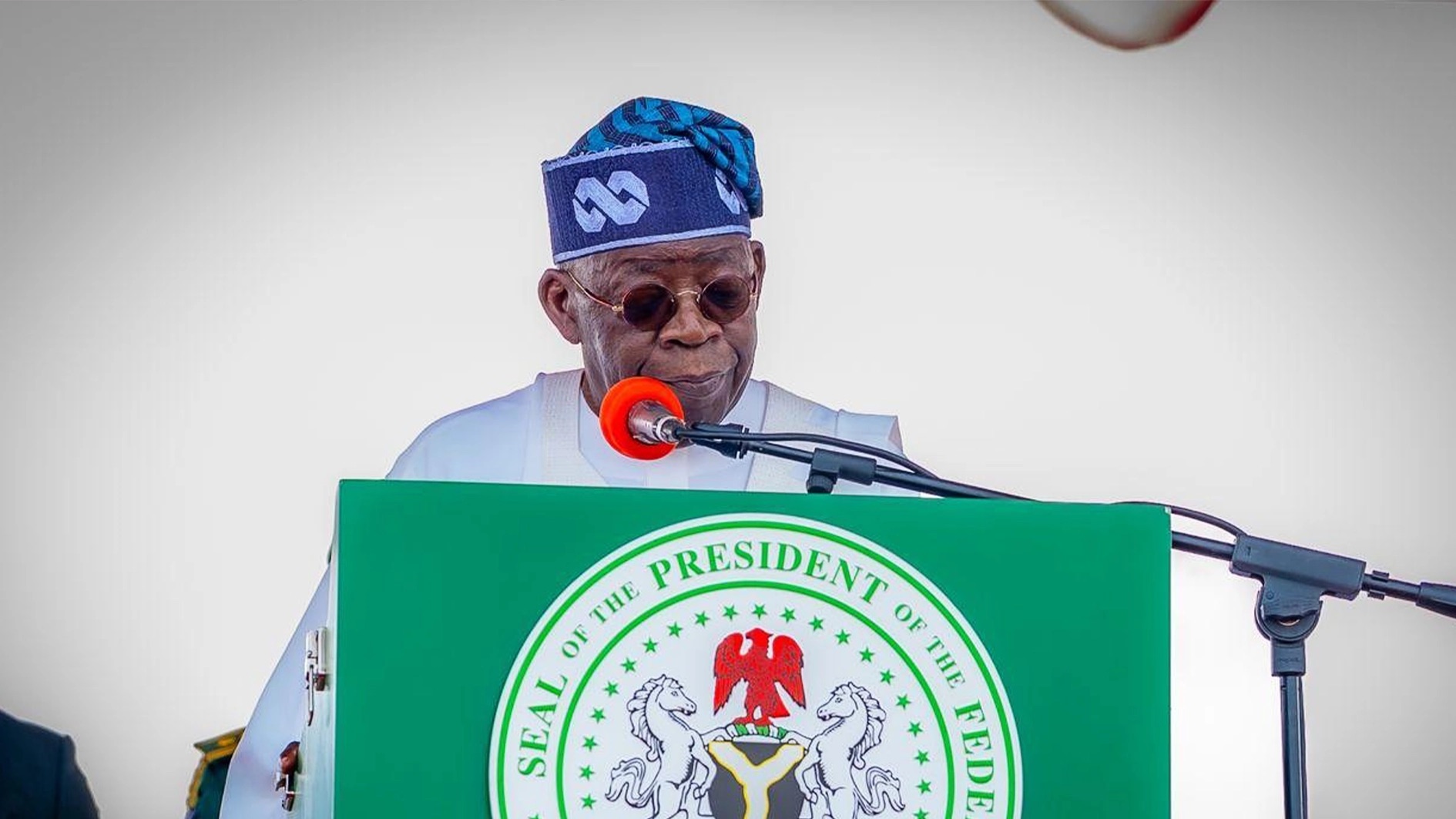
From Juliana Taiwo-Obalonye, Abuja
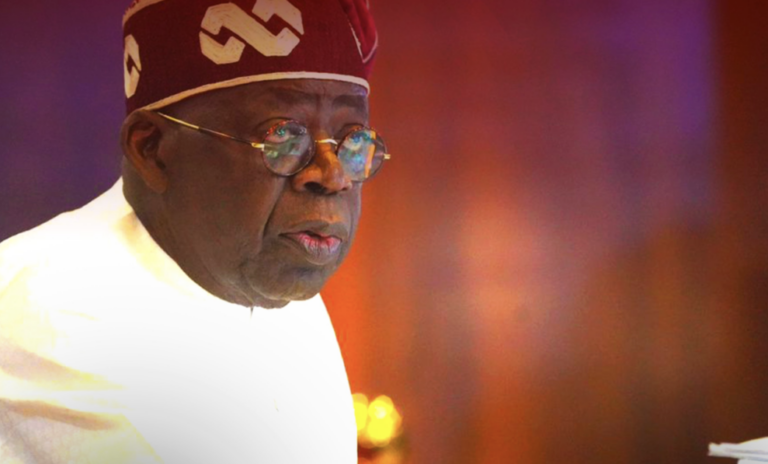
President Bola Tinubu has reflected on his journey from driving a taxi in the United States to becoming governor of Lagos State and eventually Nigeria’s President, recalling how financial hardship, personal sacrifices and the struggle to acquire university education shaped his life and influenced his administration’s decision to introduce a student loan scheme for Nigerian youths.
Tinubu, who served as Lagos State governor between 1999 and 2007 before becoming Nigeria’s President in 2023, said his experiences as a young man struggling to make ends meet while pursuing higher education had remained with him over the years, strengthening his conviction that no Nigerian child should be denied the opportunity to fulfil their potential because of poverty or family circumstances.
The President, who recounted his experiences in a post on his verified X handle, @officialABAT, on Wednesday, disclosed that he worked as a taxi driver and took up several other jobs to finance his education in the United States, revealing that he even had to postpone the commencement of his studies for several months to save enough money.
“When I first arrived in the United States as a young man, I drove a taxi to earn money for my education. I even had to postpone starting school for several months to save enough.
“When I eventually got to Chicago, I worked different jobs to support myself and pay my way through university. I know what it means to worry about tuition, accommodation and how to make ends meet while pursuing an education.
“Those experiences have stayed with me. I know what education made possible in my own life, and I believe every Nigerian child deserves that same opportunity, regardless of where they are born or what their parents can afford,” he said.
The President’s recollection provided a glimpse into the financial difficulties he said he encountered long before his emergence as a prominent political figure, his election as Lagos State governor and his eventual rise to the presidency.
He explained that the experience had influenced his administration’s determination to remove financial barriers to education, particularly for students from economically disadvantaged backgrounds who possessed the ambition and academic ability to pursue higher education but lacked the resources.
According to him, the establishment of the Nigerian Education Loan Fund (NELFUND) was a practical response to those challenges and an attempt to ensure that the financial circumstances of parents did not determine the educational opportunities available to their children.
Tinubu disclosed that the Federal Government had so far provided over N372 billion in student loans through NELFUND to cover institutional fees and students’ upkeep, describing the intervention as part of his administration’s commitment to expanding access to tertiary education and reducing the financial burden on families.
He maintained that education remained central to the Renewed Hope administration’s development agenda because of its capacity to lift individuals out of poverty, create opportunities and equip young Nigerians with the knowledge and skills required to contribute meaningfully to national development.
Beyond university education, the President said his administration was investing in technical and vocational training to provide practical skills, improve employability and create opportunities for young Nigerians seeking economic independence.
He disclosed that the Federal Government’s technical and vocational education programme had attracted more than 2.8 million applications, while 38 technical colleges had been rehabilitated to strengthen skills acquisition and technical training across the country.
According to him, students in federal and selected state technical colleges now enjoy free tuition, boarding, textbooks and uniforms as part of measures to encourage enrolment, improve access and make technical education more attractive.
On the persistent industrial disputes and disruptions in public universities, Tinubu said his administration had reached a new agreement with the Academic Staff Union of Universities (ASUU), providing for a 40 per cent increase in academic staff remuneration alongside other measures intended to improve industrial harmony and restore stability to the university system.
He expressed concern over the recurring strikes that had prolonged academic programmes and delayed the graduation of students, insisting that young Nigerians deserved an education system that would allow them to complete their studies within the stipulated period.
“A four-year course must take four years. Our young people deserve to complete their education on time and get on with their lives. Promise made, promise kept,” he declared.
Other News
Tinubu maintained that ensuring stability in the education sector was essential to protecting the future of young Nigerians, whose academic pursuits should not be unnecessarily interrupted by industrial disputes and institutional challenges.
The President also highlighted ongoing investments in medical education, disclosing that the Federal Government was committing N110 billion to the rehabilitation of 24 medical schools to strengthen the country’s capacity to train doctors, nurses and other healthcare professionals.
He said annual nursing enrolment had increased from 28,000 to 115,000, while medical and dental enrolment had risen from 5,000 to 12,000, describing the expansion as part of a broader strategy to address manpower shortages in the health sector and strengthen Nigeria’s healthcare delivery system.
Tinubu said the country needed more qualified healthcare professionals and must continue to expand the capacity of its educational institutions to produce the personnel required to meet national needs.
In the area of basic education, the President disclosed that more than one million children who were previously out of school had returned to learning through government interventions designed to improve access and participation.
He added that his administration was investing in teacher development, expanding educational opportunities for girls and implementing a new national curriculum that restores Nigerian History to classrooms.
According to him, the return of Nigerian History to the school curriculum was intended to reconnect young Nigerians with the country’s past, deepen their understanding of national identity and prepare them to take responsibility for its future.
The President stressed that education must go beyond the acquisition of certificates to include the development of responsible citizens who understand their heritage and possess the knowledge and skills required to advance national development.
Tinubu commended the Minister of Education, Tunji Alausa, the Minister of State for Education, Suwaiba Sa’id Ahmad, and the entire education team for their contributions to the ongoing reforms.
He particularly praised the development of an interactive A–Z of the Nigeria Education Sector Renewal Initiative (NESRI), which brings together information on government reforms, programmes, achievements and opportunities available in the education sector.
The President urged Nigerians to visit edu4pbat.ng to explore the initiative and identify opportunities available to parents, students and teachers.
He also encouraged citizens to report challenges affecting education in their communities, explaining that public feedback would enable the government to identify gaps, improve implementation and ensure that interventions reached those who needed them most.
Tinubu said his administration regarded education as a critical foundation for national transformation, economic opportunity and shared prosperity, insisting that the circumstances of a child’s birth should never determine how far that child could go in life.
“Our journey from reform to opportunities and shared prosperity must begin with education.
“The circumstances of a child’s birth should never determine the limits of their ambition. Our responsibility is to give every Nigerian child a fair chance to fulfil their potential,” he said.
While acknowledging that considerable work remained to be done to address the challenges facing the education sector, the President pledged to sustain the reforms, expand opportunities and strengthen educational institutions to ensure that more Nigerians benefited from quality education.
He maintained that the government would continue working to build an education system that offered young Nigerians opportunities to overcome economic disadvantages and realise their ambitions, regardless of their backgrounds.
“We have more work to do, and I am determined to see it through,” Tinubu declared.