Follow Us on Google
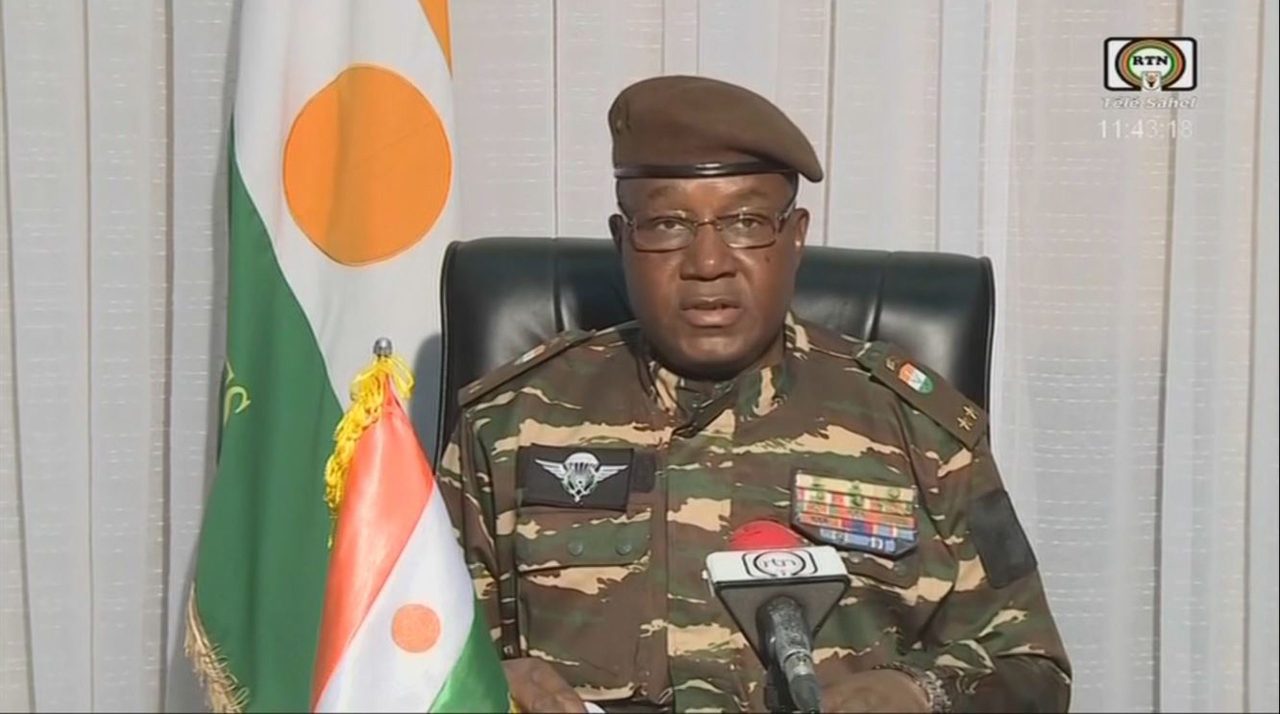
The recent coup in Niger Republic has generated a lot of interests. The United Nations, the European Union, the Economic Community of West African States (ECOWAS) and the African Union (AU) have condemned it and asked the soldiers to restore the ousted President, Mohamed Bazoum, to power. The coup plotters, led by Abdourahamane Tchiani, have remained adamant. They appear emboldened by the support of their fellow military juntas in Burkina Faso, Guinea and Mali. They also have the support of many citizens of Niger who trooped to the streets to celebrate their intervention on July 26.
It is regrettable that the coup virus has staged a ferocious comeback in Africa, a continent with the highest number of coups in the world. The first coup in West Africa occurred in Togo in 1963. It later spread to Ghana, Nigeria and other West African countries in the 60s. Military rule also became fashionable in these countries up to 80s and 90s. With the democratisation of these countries later, it is sad that the region is witnessing a resurgence of coups. It occurred in Mali in August 2020. In May 2021, there was a failed attempt in the same Mali. It also occurred in Guinea in September 2021 and in Burkina Faso in January and September 2022. In Guinea Bissau, the attempt to overthrow President Umaro Sissoco Embalo in February 2022 failed. An attempt to stage a coup in Niger in March 2021 also failed. Now, Niger has succeeded in staging a successful one. Other African countries should watch their backs as the situation may escalate if care is not taken. Sudan has the record of having the highest number of coups in Africa.
Coups partly succeed because of disenchantment in the society. This disenchantment is fuelled by bad governance and mismanagement of resources. In most of the countries where coups have taken place, corruption is endemic. Insecurity is prevalent. Citizens hardly enjoy dividends of democracy. Cost of living is usually very high. The coups in Mali and Burkina Faso occurred partly because the leadership of the country failed to contain the incursion of terrorists linked to al-Qaeda and Islamic State group into their territories. The coup leaders in Niger have given similar reasons.
Constitutional coups can also trigger military putsch. In a number of African countries, leaders do not respect the constitution. Some of those with term limits have tinkered with their constitutions to elongate their tenure in office. Yoweri Museveni of Uganda, Teodoro Obiang Nguema Mbasogo of Equatorial Guinea, Denis Sassou Nguesso of the Republic of Congo and Paul Biya of Cameroon are typical examples. They have each stayed over 30 years in power even when their constitutions expressly stipulated their term limits. Soldiers struck against the former Guinean President, Alpha Conde, partly for trying to change the country’s constitution via a referendum to actualise his third term ambition when his tenure expired in 2020.
In some of these countries, elections are manipulated to return the incumbent to power. What gave the military the fillip to strike in Nigeria in 1983 was the outright disenchantment of the citizens over the clear rigging of the general election of that year. When there is failure of democracy, the military will seize that opportunity to strike.
Coup gives impression of instability. It scares investors away. It destroys professionalism in the military. It is against ECOWAS protocol. The regional and continental bodies must do everything possible to bring an end to it.
One major antidote to coups is good governance. Leaders should begin to see governance as something that should benefit the people. Some of them are corrupt and richer than their countries. We urge African leaders to govern well. We urge them to see their privileged position as one in which their only option is to serve the people selflessly.
We implore soldiers to limit their roles to safeguarding the territorial integrity of their countries. While we condemn the coup in Niger, we advise that whatever is legitimately possible to restore democracy in that West African country should be done. The AU did little or nothing to restore democracy when coups took place in Burkina Faso, Guinea, Mali and some others. That is what has emboldened the Niger coup plotters to strike.
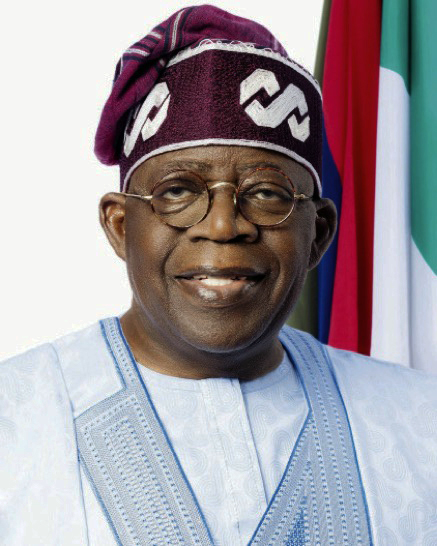
In previous editorials, we had advocated instituting a standing army that could intervene and stop any insurrection in any country in West Africa. But the present situation in Niger is not like what happened in 2017 when ECOWAS intervened militarily to force Yahya Jammeh of Gambia out of office. It will be dangerous to intervene militarily now because Nigeria, which should champion this regional force, has many existential challenges. Besides, ECOWAS should be wary of playing into the hands of some external forces in Niger. The situation in Niger is like a bull in a China shop. Though Tinubu has sought the support of Nigeria’s Senate to deploy soldiers to Niger, the President and ECOWAS should tread with caution. Diplomacy and sanctions should be better alternatives.
Above all, democratic governments in Africa should provide dividends of democracy to their people. They should respect the rule of law and must be transparent and accountable to the people. The AU should reactivate the African Charter on Democracy, Elections and Governance which it ratified in 2012. It is aimed at identifying countries where leaders use illegal means to acquire power or stay in office and punish the culprits accordingly.