Follow Us on Google

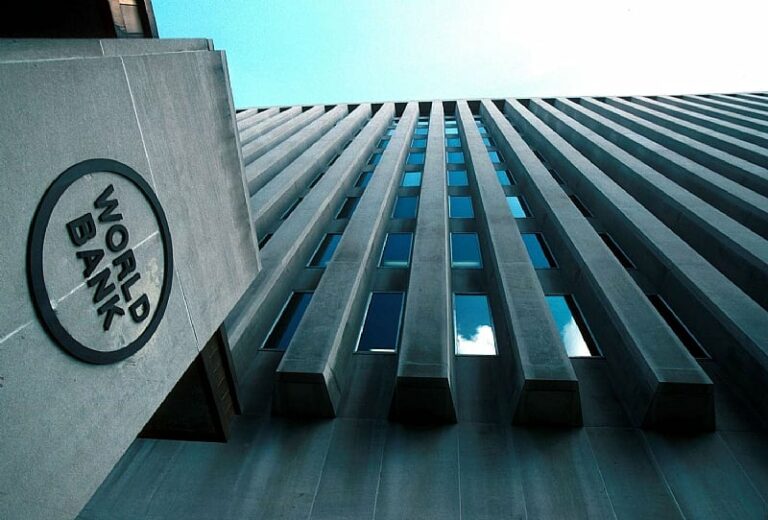
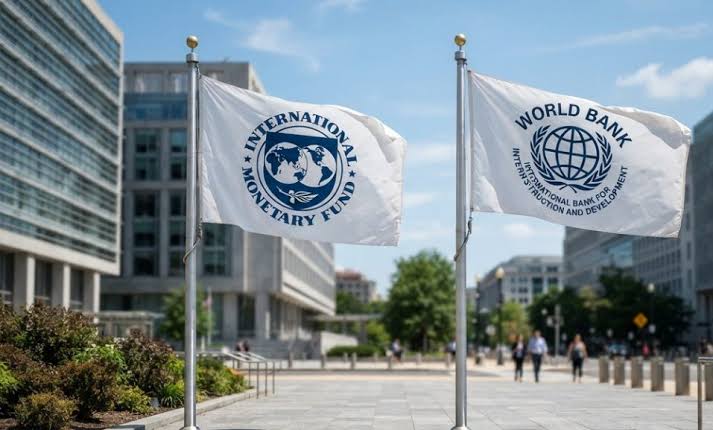
The conundrum of Nigeria’s power sector has deepened. This follows the recent decision by the federal government and the World Bank to mutually agree to cancel the $717.7 million undisbursed World Bank intervention loan designed to revive the systemic crisis in the power sector across the country. The collapse of the deal speaks volumes about the intractable challenges of the sector despite huge investments by successive administrations. The joint decision to discontinue with the loan under the Power Sector Recovery Performance-Based Operation comes at a time when Nigerians and industries are yearning for improved electricity supply. According to documents released by the World Bank, the collapse of the deal is also due to evolving sector realities and the inability to achieve key reform milestones. The development effectively terminates the recovery programme, a major setback to government’s efforts to revamp the critical sector. The cancelled loan represents the entire undisbursed balance remaining under the loan package. It means that no future disbursement will be made, the World Bank stated in the statement.
It will be recalled that the federal government developed the Power Sector Recovery Programme as a framework to restore the sector’s financial viability and reduce its fiscal burden on private finances. The programme also includes plans to progressively eliminate tariff shortfalls, improve operational performance among power sector institutions, and strengthen their regulatory oversight and accountability mechanism. The loan was approved on June 23, 2020, with $752.5 million financing equivalent. Besides, the programme was structured to improve electricity supply reliability and fiscal sustainability, among other things.
Following initial progress recorded under the programme, the World Bank approved an additional financing package of $763.5 million on June 9, 2023, to consolidate earlier gains and support a new phase of reforms. That became effective on June 19, 2024. In all, the original financing and the additional facility amounted to about $1.52 billion. Available information reveals that the collapse of the power deal was essentially driven by several key factors, among them, expanding tariff deficit, failure to implement financing plans, deep structural and operational inefficiencies and widespread public backlash. This means that future engagements with the World Bank will shift away from broad financial sector subsidies towards more targeted investments and infrastructure. This is not a good for Nigeria. According to figures, in the past ten years alone (2015-2025), the successive administrations had invested over $50 billion in the power sector, including government subsidies and private sector contributions, with some reports citing N36 trillion in subsidies alone. Statistics also show that Nigeria has a total installed power generation capacity of 16,384MW, but can only distribute not more than 4,000MW, or even less.
Other News
With the collapse of the World Bank loan, we urge the government to give more incentives to private electric power generating companies as alternative to power supply in the country. It is unfortunate that the Discos that came amid optimism have not lived up to expectations. Rather than improve power supply, the operators constantly complain about inadequate gas supply, aging infrastructure and maintenance challenges as limiting their ability to provide stable power supply. All the same, the government should address policy inconsistencies and limited private sector participation, which have worsened the sector’s perennial crisis, leading to sustainable growth difficulties.
Above all, government and policymakers need reminding that the potential of the power sector in economic development is such that nothing should be left to chance in revamping the sector. The sector remains the engine of government and private sector plans and programmes. In view of the comatose nature of the power sector, with frequent grid failures in recent years, a more coordinated approach to revitalising the sector has become imperative. Nigeria cannot make sustainable economic progress at the present level where the country cannot generate and transmit more than 5,000 MW, which is less than 10 per cent of what South Africa, Algeria and Egypt generate and distribute. That explains why many industries in the country have relocated to neighbouring West African countries.
Now that the federal government and the World Bank have mutually agreed to cancel the $717 million loan, it has become urgent for the government to pivot to domestic tariff reforms, private capital mobilisation and optimised grid operations stabilising the sector without multilateral lifeline funds. Apart from leveraging private sector and alternative funding, the government should consider phasing out untargeted, nationwide electricity subsidies to ease fiscal burdens and make the sector attractive to private operators, as well as deploy alternative financial instruments like Partial Risk Guarantees and credit enhancements that will bring in private equity for metering and transmission.