Follow Us on Google
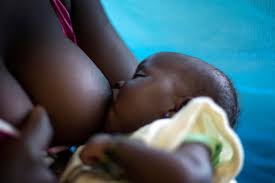
Despite the benefits of breastfeeding to the survival and health of babies, the low level of breastfeeding by Nigerian mothers is lamentable.
The United Nations Children’s Fund (UNICEF) Communication Officer, Enugu Field Office, Dr. Ijeoma Onuoha-Ogwe, recently revealed that 90 per cent of Nigerian women had never breastfed their babies. She stated this during the Media Dialogue on Dissemination of Key Advocacy Messages on 2025 World Breastfeeding Week, organised by the UNICEF Field Office Enugu, in collaboration with the Broadcasting Corporation of Abia State. Children need breastfeeding, because it provides babies with the required early years, a strong immune system, reduced risks of infections and some chronic diseases. Lack of breastfeeding of babies has been associated with stunted growth and low intellectual development in children.
According to Dr Onuoha-Ogwe, “only one in three babies is given breast milk in the first hour after birth, and only one in three babies is exclusively breastfed for up to six months. Rates have declined for early initiation of breastfeeding from 42 per cent in 2018 to 36 per cent in 2023, and exclusive breastfeeding rates remained stagnant at 29 per cent in 2018 and in 2023. Breastfeeding should ideally continue to at least 24 months, as recommended by both UNICEF and WHO.” She lamented that many Nigerian babies are weaned too early.
She also pointed out 26 out of 36 states in Nigeria had not created the enabling environment, which included paid maternity leave, breastfeeding breaks, and workplace facilities, for effective breastfeeding, therefore, undermining mothers’ ability to sustain breastfeeding practices. She observed that many workplaces, both in formal and informal sectors, lack policies and facilities favourable for effective breastfeeding. No doubt, mothers need sustainable support systems to successfully breastfeed at home, workplace, and in the community while the government and employers must invest in coordinated support for breastfeeding.
We call on the government to invest in programmes, workplace practices, facilities and community networks that will ensure that most women breastfeed their babies because of many benefits associated with the practice. Also, the current UNICEF campaign on ‘Optimal Breastfeeding Practices,’ which involves early initiation within one hour of birth, exclusive breastfeeding for the first six months, and continued breastfeeding alongside complementary foods for up to two years of age or beyond, should be sustained.
Other News
Breast milk is the best food for new-born babies as it contains the best nutrients for the child. It enhances the cognitive development of babies. According to medical experts, the first breast milk helps babies to develop well and protects them from sickness. It reduces infant morbidity and mortality as well as supports maternal health by lowering the risk of certain cancers. It also lowers household medical expenses and boosts workplace productivity. Let Nigerian mothers embrace feeding their newborn babies with breast milk.
It enhances bonding between mother and child and offers immunity to the child against some diseases. It protects the mother and the child against certain illnesses and diseases. It has been established that feeding newborn babies with breast milk can help protect them against some illnesses and diseases. Breastfed babies have a lower risk of asthma, obesity, type1diabetes, and sudden infant death syndrome (SIDS). They are also less likely to have ear infections and stomach bugs.
The health authorities should carry out vigorous enlightenment campaigns on the benefits of breastfeeding, especially exclusive breastfeeding, across the 774 local governments. The breastfeeding campaign should highlight the health benefits of exclusive breastfeeding for the mother and child. Apart from reducing the mother’s risk of breast and ovarian cancer, it can reduce type 2 diabetes and heart disease.
Mothers should discard the superstitious belief that breastfeeding makes their breasts to sag. The breast milk is meant for the babies and it is good for their optimal health. It has been recommended by doctors that babies should be exclusively breastfed for six months of a baby’s life, followed by continued breastfeeding, along with complementary foods for up to two years and beyond.
For exclusive breastfeeding to succeed, mothers should be given adequate nutrition. They need to eat enough fruits and vegetables for them to be able to breastfeed their babies. We say this because breastfeeding babies will be tasking to malnourished mothers. At the same time, there should be enough spaces for working mothers to breastfeed their babies in workplaces and worship centres. Every workplace must adopt child-friendly practice that encourages breastfeeding of babies. We enjoin mothers to shun infant formula, which is not as nutritious and beneficial to babies as breast milk. There is no way infant formula can replace the natural breast milk generally adjudged by medical experts as the best food for babies.