Follow Us on Google
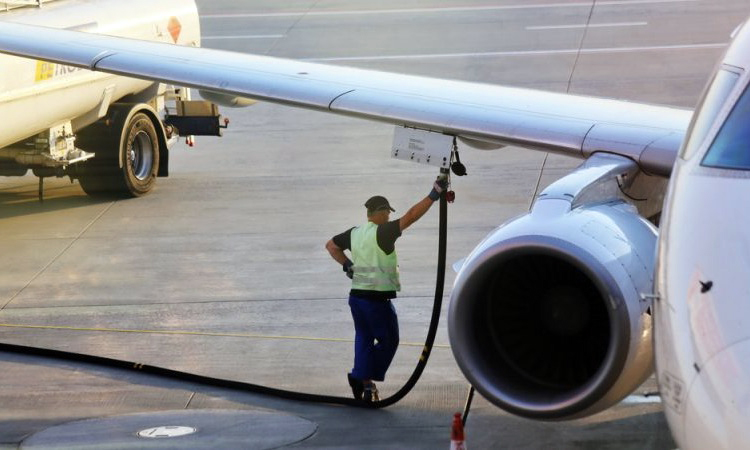
The global aviation industry is facing challenges due to rising cost of aviation fuel or Jet A-1, with price spikes exceeding 300 per cent in some countries due to supply chain disruptions. This has led to flight delays, cancellations and reduced flight frequencies. The aviation fuel crisis was caused by the Middle East conflict. Though a global phenomenon, the aviation fuel crisis is biting harder in Nigeria. The situation escalated recently as airline operators, under the aegis of the Airline Operators of Nigeria (AON), warned to shutdown flights. They complained, among others, limited access to aviation fuel, escalating operating costs and unpredictable supply cycles.
Both small and large carriers are facing the aviation scarcity pressure. For smaller carriers with fewer aircraft and limited schedules, they are unable to secure enough fuel to operate select flights across some domestic routes. Large carriers with wider networks are feeling the strain the more. President Bola Tinubu later intervened and offered some relief measures to the airlines. Besides the rising cost of aviation fuel, airline operators say other constraints they face include sundry charges by airport regulatory agencies, refining uncertainties and supply chain fragilities.
As a result of the price spikes in aviation fuel to over 300 per cent per litre, from N900 per litre less than two months ago, a domestic return flight ticket now ranges from N350,000 to N400,000, depending on the airline, route, and booking time. According to statistics from the AON, Jet A-1 takes a big chunk, about 40 per cent of airlines’ operating costs. This leaves most carriers with little profit margin. But there is a limit to which operators can transfer the cost to passengers given the economic hardship in the country.
At a recent high-level stakeholders meeting on April 22-23, in Abuja, with the Minister of Aviation and Aerospace Development, Festus Keyamo (SAN), the airline operators expressed concerns over the rising cost of aviation fuel and its impact on the sector and Nigeria’s economy. The operators said that rising prices of aviation fuel, if not urgently checked and sustainable solutions proffered, would threaten the survival of airlines. The fear is real. According to recent statistics, the cost of fueling a single flight on domestic route has skyrocketed from an average of N2.1 million in January 2026 before the Middle East conflict began, to about N7.6 million as of April 2026. This represents a staggering increase of over 350 per cent within three months. The implication is that if this continues, many airlines may not survive. Some may be on the brink of imminent shutdown, a situation that doesn’t bode well for the sector. Unfortunately, the Nigerian Midstream and Downstream Petroleum Regulatory Authority (NMDPRA), the apex regulator in the oil and gas sector, has not been quite helpful in resolving the issue of escalating aviation fuel prices. Before the boss of the agency, Saidu Mohammed, was relieved of his post last week, he was quoted as saying that the price of aviation fuel in the country should not be less than N2,000 per litre “based on prevailing market conditions.”
Other News
This is higher than the price before the Middle East conflict. In all, a transparent pricing of aviation fuel is a necessary step towards resolving the lingering Jet A-1 crisis. In the interim, the federal government should waive some charges being paid by domestic airlines. This will ameliorate the challenges faced by airlines. This has been done in other countries since the conflict in the Middle East commenced two months ago. It is meant to cushion the effects of the escalating price of aviation fuel.
Government’s provision of the 30-day credit window to ease liquidity constraints for operators is laudable. With this measure, marketers have been enjoined to sell aviation fuel directly to airline operators. How far this will go to stabilise aviation fuel prices remains uncertain, as airline operators are still demanding urgent regulatory other interventions. We believe that engagement with the relevant aviation agencies has become necessary to review pricing components in line with international benchmarks.
Also, the inclusion of the Aviation Turbine Kerosene under the federal government’s ‘Naira-for-Crude’ initiative, designed to reduce the dependence on foreign exchange(fx) will help to some extent in stabilising the cost of petroleum products. Perhaps more critical is the urgent need to address the hefty debt between airline operators and aviation fuel marketers that currently stands at N9billion. This amount is reportedly owed by domestic airlines to ground handling companies.
The companies have recently threatened to withdraw their services if the debt is not settled soon. This raises the fear of widespread flight disruptions. Considering the important position of Nigeria’s aviation sector in global aviation industry, airlines in the country need all the necessary support they can get, including ending the present struggle with high and inconsistent aviation fuel operating expenses. The current price projections underscore the continued vulnerability of the sector to global oil market fluctuations due to the Middle East conflict that has impacted negatively on many economies.