Follow Us on Google
From Fred Ezeh, Abuja
Stakeholders in education sector including the Federal Ministry of Education and its agencies, have advocated increased opportunity for partnership with institutions within and outside Nigeria to promote entrepreneurship, digital skills and several other opportunities to strengthen education.
They stressed that such opportunities would enhance exchange of knowledge, expertise, idea, experience and other things that would further strengthen education and innovations in Nigeria and beyond.
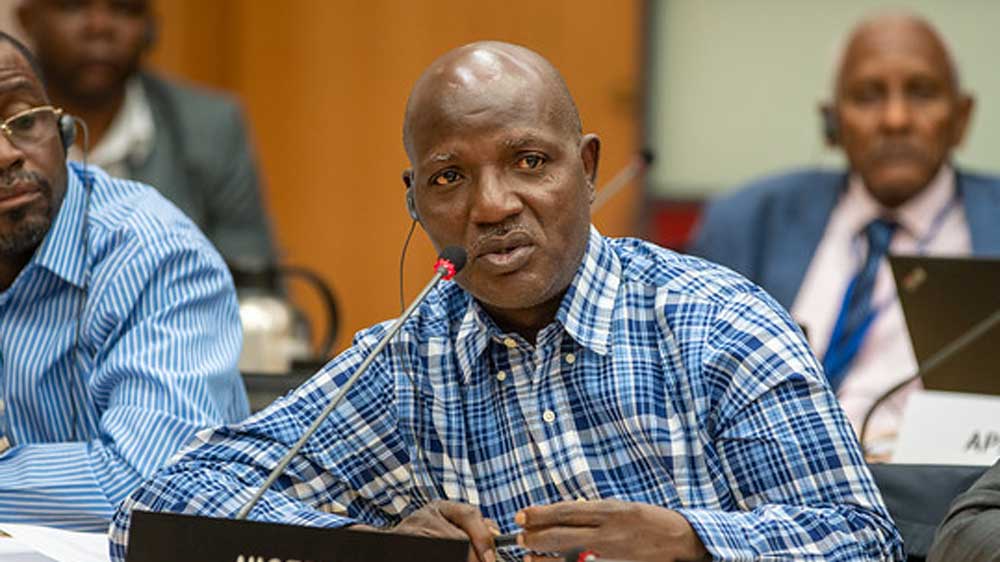
This was part of the suggestions presented by several speakers at the 3rd Annual Global Meeting of Forum for Innovation in African Universities (FIAU) held in Abuja, on Friday, with the theme “Strengthening Africa’s Higher Education in a Post-Covid 19 World”.
Permanent Secretary, Federal Ministry of Education, David Adejoh, in his welcome address, appreciated such conference that had impressive attendance from local and international participants aimed at strengthening tertiary institutions in Nigeria.
He reminded the gathering about the unexpected devastating effect that COVID-19 had on the world, and how the world navigated and survived it using digital services, urging them to push further to expand existing entrepreneurship and digital skills.
He expected that the conference will produce a more realistic solution to some of the identified challenges along the path of entrepreneurship in Nigeria, and possibly proffer superior solutions to the challenges.
FIAU Founders, Paschal Anosike and Klaus Schneider, in their joint address recalled with nostalgia the journey that gave birth to FIAU some years ago, and the innovations and solutions that it had introduced into the higher education system over the years.
They said the decision to hold the 3rd edition of the global conference in Nigeria, was in recognition of the important role/place of Nigeria in promoting education in Nigeria and beyond.
They assured the stakeholders that FIAU will continue to research, develop and introduce innovations that would promote and strengthen university system particularly entrepreneurship studies.
Acting Executive Secretary, National Universities Commission (NUC), Chris Maiyaki, in his presentation called on African universities to recognize the value of forging partnerships with institutions worldwide to address constraints and provide students with skills needed for employment.
Maiyaki said by embracing international collaborations, the universities stand a better chance to tap into a wealth of expertise, resources, and opportunities for their students and faculties.
While noting that there was a challenge of resource constraint faced by universities across Africa, he insisted that the institutions require strategic partnerships to navigate through the challenges.
He said: “Collaboration with governments, private sector entities, philanthropic organizations, and international development agencies is crucial in pooling resources, sharing expertise, and creating sustainable funding models.
“We will continue to championed the development of guidelines for the implementation of transnational education in Nigeria for the purpose of partnering with other institutions abroad.”
Maiyaki, stressed the need to integrate technology into the delivery of university education to ensure its resilience in a post-COVID-19 world. “By harnessing the power of innovation, the institutions can foster sustainable university-industry partnerships that transcend traditional boundaries.
“These partnerships would allow us align our curricula with the evolving needs of the job market, creating graduates who are not only well-versed in theory but also possess the practical skills demanded by employers.
“Furthermore, collaboration with industries will enable our universities to conduct impactful research that addresses real-world challenges that continue to impact mankind, so as to secure tangible socio-economic development.
He charged the academia with a collective responsibility to address the challenges before it and forge a path toward a stronger and more resilient future for higher education in Africa.