Follow Us on Google
•Energy crisis, biggest challenge for fashion industry
By Vivian Onyebukwa
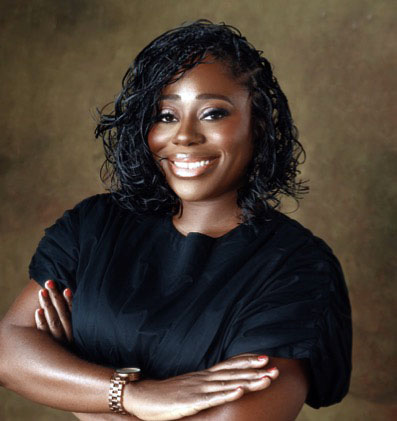
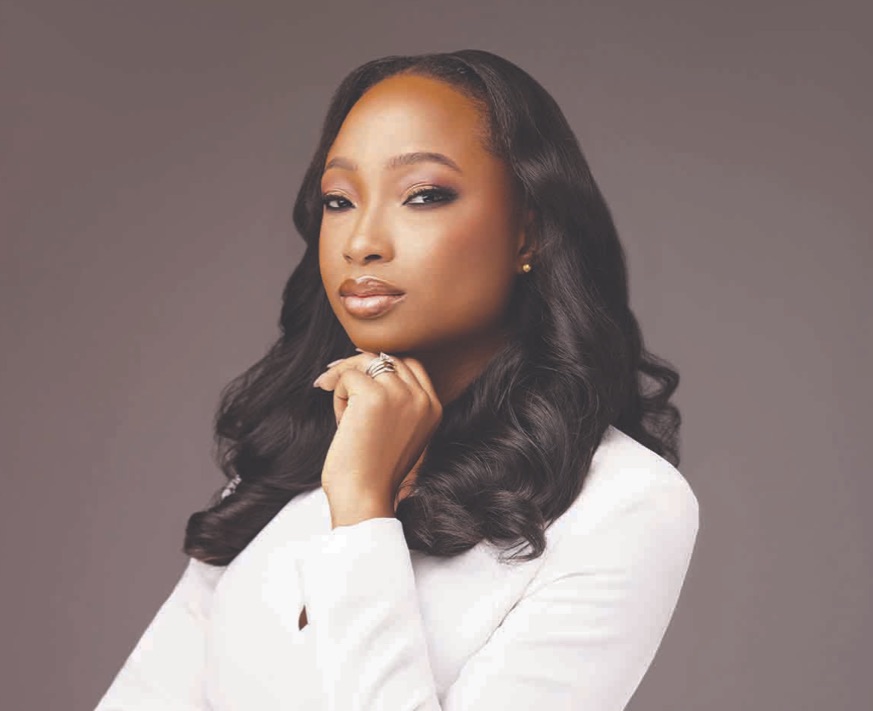
Temitope Kayode Ojo is the Founder and Creative Director of Lavish, a fashion house established about 10 years ago in the US and which was brought to Nigeria seven years ago.
In February this year, the outfit changed its name from Lavish Bridal to Lavish, though it still does bridal stuff.
Saturday Sun recently encountered her. Excerpts:
Tell us about Lavish Bridal.
I have always loved fashion. I grew up in and around fashion, so it’s always been something I ampassionate about. When I was working in the United States as a Wealth Management Analyst at Morgan Stanley, my first job after studying Economics at the university, a lot of my friends and relations were getting married and they would just call me to help them find what they would wear and where they would find it. They would want to know the silhouette or colours of dress they could buy, and I would tell them.
Then I realised that I had a gift for it. I started reading more about how to style a bride, and how to put looks that were personalised to each bride. So I officially incorporated Lavish Bridal in 2014 in Nigeria. I started freely, I wasn’t paid for it. I just helped people that needed help with their weddings. After sometime I realised that it was a common problem across women. Some of the problems that I saw, I realised that there were gaps in the industry.
In the bridal industry, there was a huge market for wedding dresses both here and abroad, yet people didn’t know where they were. Some didn’t know, even when they got there, which clothes to pick. They would see hundreds of dresses, and would be confused on the best one for them to choose. So there were a lot of questions. I also saw that a lot of bridals were stressed out about wedding planning; what to wear. They were always panicking about getting it right. So a lot of brides were not educated about where to get pieces, and how to dress their bodies. Some of them knew how to dress their bodies for everyday wear, but not for bridal, because in bridal, the fabrics, cuts, colours are different.
When you talk about wedding, does it also include traditional wedding?
It is the entire wedding. So we came in to fill the gap, to connect brides to the best looks for themselves, and to connect them without stress and with convenience. That was, from the day she got engaged, there were things like pre-wedding shoot, dressing her up for that. We aren’t selling wedding dresses, but we are helping brides find the wedding dresses that were right for them. That is what we started out as.
We are really pioneers in the industry. When we started we were the first in the industry and we institutionalised a lot of practices that you see in the bridal industry.
So how has it been?
It’s been amazing, interesting and challenging. Lavish was launched in Nigeria in February of 2017. When we started, people didn’t know what bridal styling was about. The first two years were about education, convincing them that they needed the service. Initially, it was not heard of. So we had to educate the planners on the benefit for their clients. The first two years were tough. People didn’t see the need to pay for the service. But I think as time went on, people started seeing the value, especially when they started seeing the output and also hearing from people who have used the service, how much of a burden lifter that it was. It is also cost-saving because we were using the relationships we have in the industry to get better pricing for our clients. It was making life easy for brides.
They were a bit more assured because they knew that there was somebody dedicated to that. People were visibly seeing the value and that’s when it started to have a smooth sailing. So, clients started to look for us from all across the world. We have clients from five different continents. We have vendors from all across the world- from Australia and South Africa. It just depended on what each client was looking for. I have worked with a client as far as Australia, US and Canada.
When was your turning point in this business?
I would say the year 2020. It was actually a huge turning point for the bridal styling industry in particular. A lot of good work was done in 2020. It was the start of COVID-19 and that really brought a lot of businesses to a halt. But I think, because styling is about creativity, which is often born when things are still, it was a really creative year for us at Lavish. We were able to bring out new, fresh ideas. Also, our brides in 2020 were very daring and bold. Brides were ready to push out of the box and put their bold styles.
There was a lot of shutdown with sizes of weddings and event centres so people were able to do very small events. Then there was a lot more priority on themselves because they were not having to deal with too many guests. So couples were able to put themselves first, and it showed in the style. We had a lot of amazing styles that came out at that period and that really changed styling in bride.
How did you come about the brand name ‘Lavish’?
Lavish, as a name, came to me when I was 19 years old at college. I bore my businesses with God in mind. Not just bore God in mind, God is the foundation. My faith in God is the foundation of any of my businesses, Lavish included. At a time, I had taken the Bible and had read John 3:16 which was not the first time I was reading it. I have read it since I was a little girl, recited it, knew it by heart. But that very time of my life, there were a lot of things. I was in University in the US, and there were a lot of things I was learning for myself. I had grown up with a loving family who taught us all these things such as morals. That was the first time in my life I was starting to explore things and make up my own principals. I read John 3:16 and it was like a lightning bolt hit me. I don’t even know I got so emotional because the scripture read, “For God so love the world that He gave His only begotten son….”. That day the word “So”, hit me and the first time I realised that it wasn’t, “For God so love the world”. It was actually, “For God sooooo love the world”…. The “So” is stretched. It is somebody that loves you sooooo much, which is lavish. Lavish comes from the word “So”. Lavish means extra, opulent, more than enough, which is where the word lavish came from.
What can you say about Nigerian fashion industry?
I am incredibly proud about the Nigerian fashion industry. I have always thought that there is something to be studied about Nigerians. There is something about Nigerians that is absolutely unique, to be admired, and to be emulated. There is something about the Nigerian spirit. I don’t know if we can attribute it to our culture, or the way we were brought up, but there is something beautiful and inspiring about the Nigerian spirit. Whatever talent that you are looking for, you can find it in Nigeria.
Creativity is in abundance. Nigeria fashion industry is doing amazing things and it is starting to get recognised globally. Across the globe, people are looking for more unique things, and Nigerians are bringing more unique things. We are infusing our culture. Africa is rising to where our culture is not looked down anymore. So you see designers doing all it takes, taking classes, continuing to improve on their work until they bring out stunning garments, pieces, and arts. I am definitely proud of the industry. Of course there is a lot of work still to be done.
What challenges do you face in the industry?
In Nigeria, manufacturing has proven to be quite expensive, and power is one of the major problems. We have to power our own manufacturing because electricity is not reliable and almost nonexistent. With the rising cost of fuel and diesel, it is incredibly expensive. We are saying people should buy Nigeria. With the current economy it is becoming harder to do that. Another problem is the fact that the industry is fragmented, especially the bridal industry.
So there is no corporate body that is overseeing some of the best practices, making sure that businesses are delivering, ensuring that there is standard. We can have policies and processes that guide all the players in the industry. Also, limited funding is a problem. A lot of entrepreneurs in Nigeria for the most are self funding. A lot of investors don’t want to fund the industry. Another big challenge is Human Resources (HR).