Follow Us on Google


Uche Usim, Abuja
Revenue administrators in Africa have described taxing the informal sector as a politically unpopular and an operationally-challenging task because influential politicians tend to shield them since their votes will be needed to achieve their ambition.
This is as the Executive Secretary of
African Tax Administration Forum (ATAF), Mr. Lorgan Watt stated that over the past four years, the body has helped eight member countries recover $1 billion in taxes, $300m of which was already in the bank.
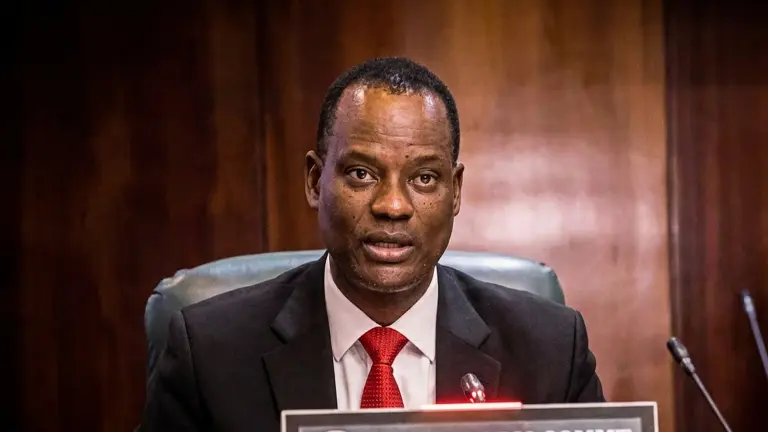
The tax administrators raised the alarm through the Executive Chairman, Federal Inland Revenue Service (FIRS), Mr Mohammed Nami at the 9th Country Correspondents meeting and ATAF 1st Experts meeting on taxation of the informal sector held in Abuja on Tuesday.
According to him, “taxing the informal sector is viewed as politically unpopular and politicians are unwilling to risk losing the high number of votes represented in the sector. This is because politicians promise informal workers protection from taxation in exchange for their votes.”
The FIRS boss, while frowning at the development also noted that the informal sector mostly operates on a cash basis and maintains poor or no accounting records makes taxing them a herculean task.
He added: “Most of the businesses in the sector are also small and fragmented, making it inefficient for the revenue administrations to enforce compliance.”
Nami, however, stated that African tax administrators under the African Tax Administration Forum (ATAF) are meeting to design ways to drag the operators of informal businesses into the tax net.
To support the planned capture of the informal sector into the tax net, Nami noted that “taxing the informal sector may also be a way of promoting good governance and political accountability of the State because tax strengthens the social contract between the citizens and the government. Thus, informal businesses that contribute to tax revenues are likely to assert their rights to receive certain services from government thereby ensuring accountability.”
Paying taxes he said is likely “to promote responsiveness by the state to the needs of the informal sector in a bid to encourage voluntary compliance. It is also likely to encourage collective action, collective political engagement and bargaining by the informal sector.”
Nami stated that “if Africa is to reduce its budget deficits and increase revenue mobilization, it must widen its tax base and the informal sector provides the opportunity to do so.”
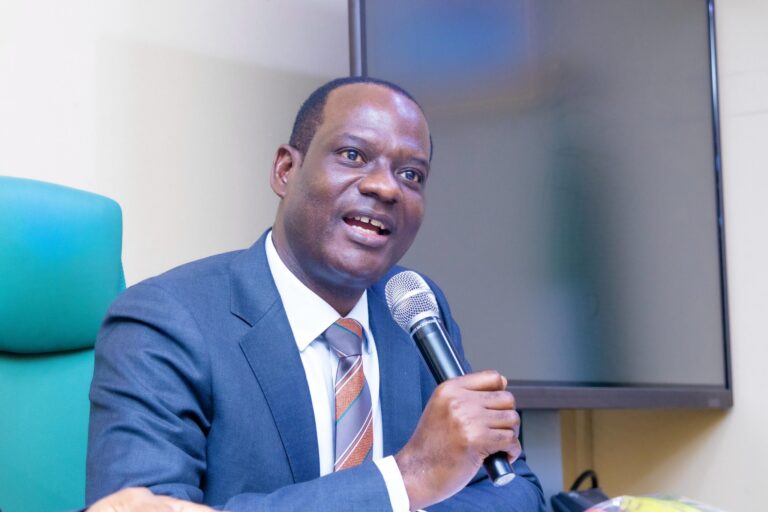
On his part, the Executive Secretary of ATAF, Mr. Lorgan Watt said that the world was currently discussing how to tax the digital economy. “Nigeria is a massive market, e-commerce and social media platform is widely used in this country and it is widely used in other continents, mobile cellphone is the biggest on the continent and so what does that mean for revenue and for economic activity, because now companies can do business in our countries without having a presence here.
As an organization, ATAF he said, has in the last 10 years trained 16,000 tax officials who have trained 500 tax auditors, have graduated 85 Masters degree students in tax who were trained in English masters degree offered through ATAF.
They have published more than 300 academic policy and administrator academic papers through the African Tax Research Network and have produced formidable tax statistics publication anywhere on African travellers tax statistics.
At the meeting it was revealed that taxing the informal sector may yield low returns in the short run, but the benefits are worth the effort. Bringing the businesses into the tax net they said instils a tax paying culture in the businesses, which ensures tax compliance when the businesses expand.
Taxing the informal sector is considered critical in ensuring a perception of fairness in the tax system. “Those who operate in the formal sector deem it unfair to have to pay taxes while those in the informal sector do not. This impacts their tax morale and can result in low tax compliance among those in the formal sector.”
They lamented that “furthermore, in some instances, enterprises within the informal sector create unfair competition for those operating in formality. This reduces the income generated by the formal firms and consequently, reduces the taxes paid.”