Follow Us on Google
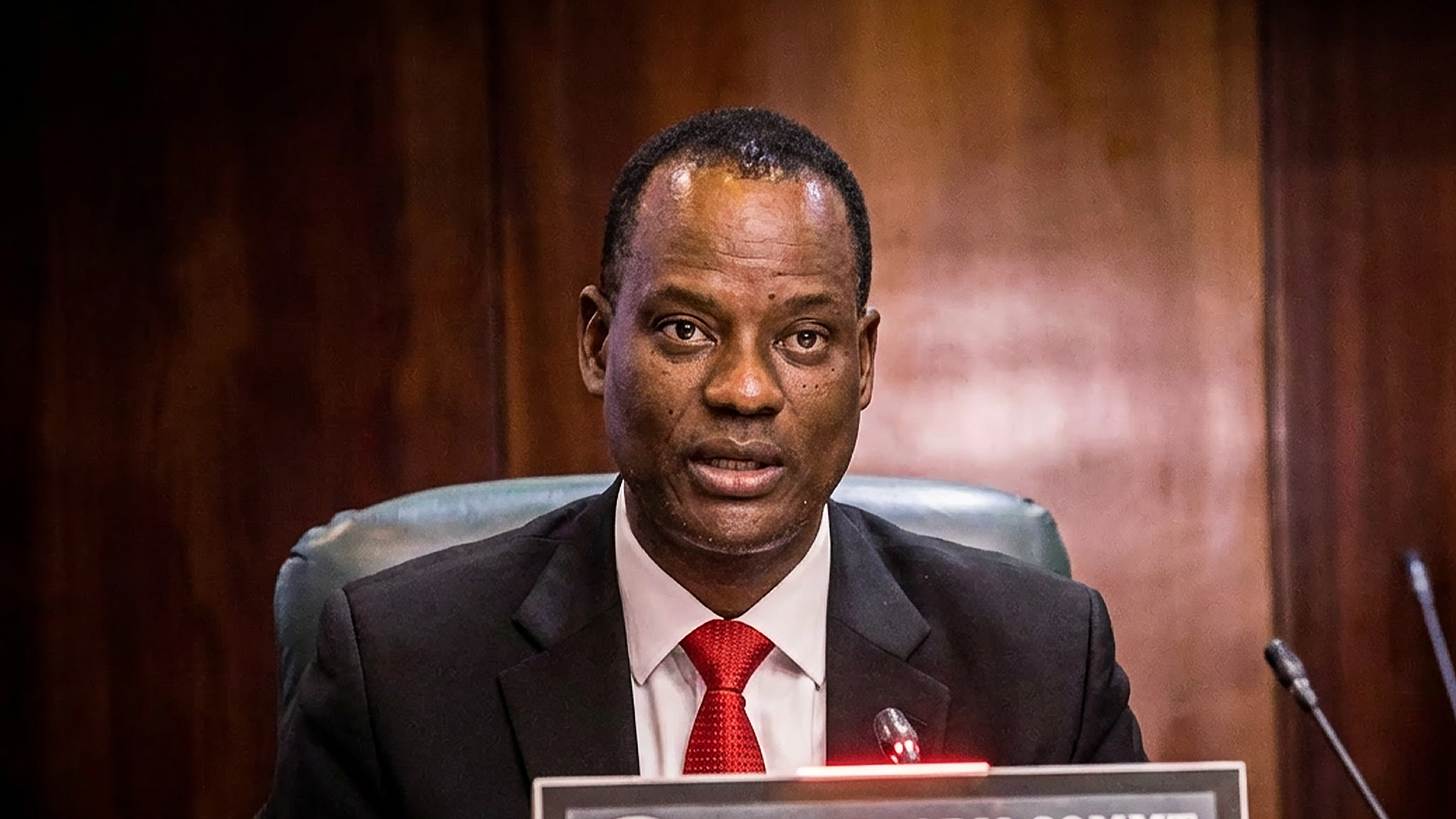
The federal government has said the economic reforms introduced by the administration of President Bola Tinubu saved Nigeria from a possible petrol price of N3,000 per litre and a situation where at least 30 states would have struggled to pay workers’ salaries.
Minister of Finance and Coordinating Minister of the Economy Taiwo Oyedele disclosed this on Wednesday in Abuja while presenting the government’s scorecard on the impact of the reforms, including the removal of petrol subsidy and the unification of the foreign exchange market.
Oyedele said the reforms had generated N15.8 trillion in resources for the Federation between June 2023 and December 2025.
According to him, the Federal Government received N5.4 trillion of the amount, while N10.4 trillion was shared with state and local governments through the Federation Account.
He explained that the savings from subsidy removal did not appear as a separate line item in Federation Account allocations, but reflected in increased revenue collections following the reforms.
He said the federal government also recorded N3.1 trillion in incremental independent revenue, while it obtained N11.9 trillion in additional borrowing during the period.
Oyedele said the Federal Government’s total incremental resources during the period amounted to N20.4 trillion, while its incremental expenditure stood at N30.64 trillion.
He said N9.39 trillion of the expenditure went into wage adjustments, minimum wage increases and allowances for public servants, while N9.37 trillion was spent on servicing external debts affected by the depreciation of the naira.
Another N6.5 trillion, he said, was spent on strategic infrastructure.
The minister said the reforms also helped prevent a deeper fiscal crisis, particularly for state governments.
“On the pre-reform trajectory, our own estimate is that at least 30 states will be in that position by now, struggling to pay salaries,” he said.
Other News
He added that the situation could have worsened significantly if the previous subsidy regime and multiple exchange-rate system had continued.
According to him, petrol, which currently sells for about N1,100 to N1,400 per litre, could have been unavailable at the official price and traded for at least N3,000 per litre on the black market.
“What the counterfactual shows is that petrol will likely be simultaneously unavailable. It will still be N185 per litre. It will not be available at the official price and it’s likely to be trading in the black market for at least N3,000 per litre,” Oyedele said.
He, however, acknowledged that the reforms had imposed significant costs on Nigerians, including higher petrol prices and interest rates.
He said the Monetary Policy Rate rose from 18.5 per cent to 26.5 per cent, while petrol prices increased sharply following the removal of subsidy.
Oyedele said the government was also not claiming that the reforms had solved all economic challenges, noting that poverty and household welfare remained areas requiring further action.
He said headline inflation had declined from 22.41 per cent in May 2023 to 15.91 per cent in June 2026, while food inflation fell from 24.82 per cent to 17.52 per cent over the same period.
He added that Nigeria’s gross foreign reserves had increased from about $35 billion to $52.5 billion, while net reserves rose from roughly $3 billion to $34.8 billion.
Oyedele further said the country’s stock market capitalisation had increased from about N31 trillion to N150 trillion, while real GDP growth strengthened from 2.31 per cent to 3.89 per cent.
He said the government’s next priority was to translate the gains from macroeconomic reforms into improved living conditions for Nigerians.
This, he said, would include expanding cash transfers to vulnerable households, deepening agricultural interventions to reduce food prices and working with state and local governments to ensure that the benefits of economic growth reach Nigerians.