Follow Us on Google
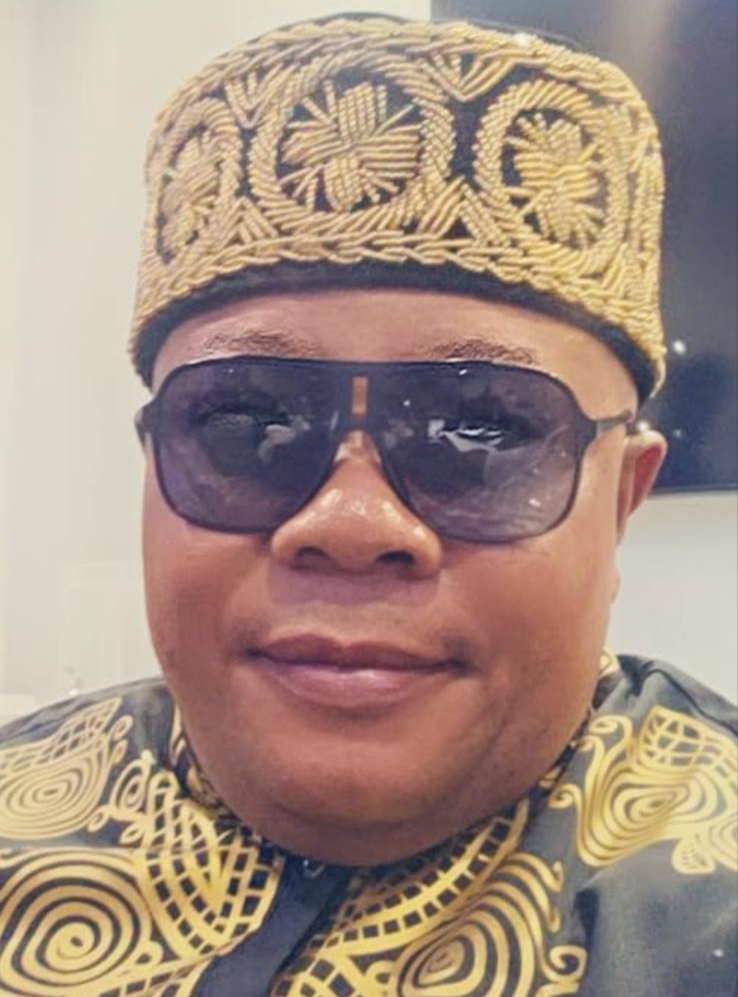
Chief Sunday Okoro has called on Nigerians to support President Bola Ahmed Tinubu’s bid for a second term, arguing that continuity is needed to consolidate ongoing reforms and projects of the administration.
Okoro, in a statement, said Tinubu inherited an economy facing financial pressures, infrastructure deficits, currency challenges, unemployment and insecurity when he assumed office in May 2023.
He acknowledged that some of the administration’s policies, particularly the removal of the petrol subsidy and changes to the foreign exchange system, had imposed significant financial pressure on households and businesses.
However, he argued that the reforms could strengthen government revenue and provide more resources for development if sustained.
Okoro also cited ongoing tax reforms, saying the measures were aimed at simplifying the tax system, improving compliance and expanding government revenue.
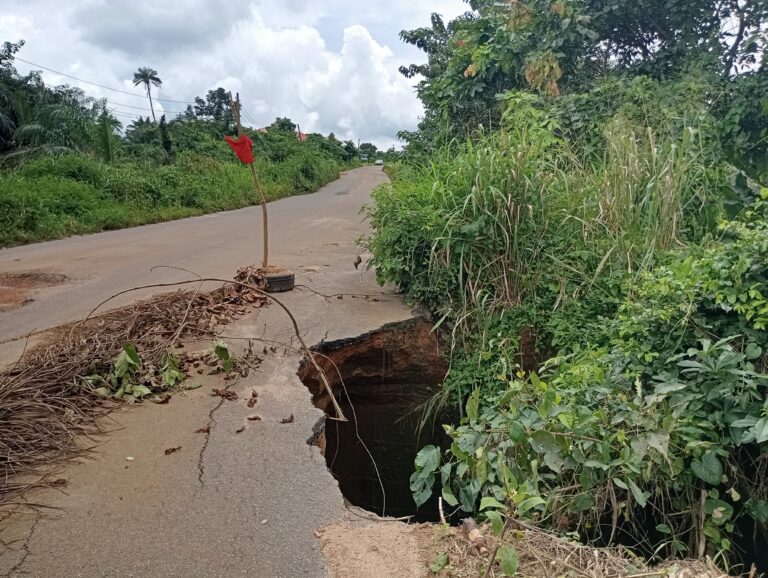
On infrastructure, he pointed to several major road and transport projects being undertaken or continued by the Federal Government, including the Lagos-Calabar Coastal Highway, Sokoto-Badagry Super Highway, Abuja-Kaduna-Zaria-Kano Road and East-West Road.
He argued that completing such projects could improve transportation, reduce the cost of moving goods and people, and support economic activities across the country.
Okoro also highlighted the government’s policies on solid minerals, particularly lithium processing, as an area with potential to diversify Nigeria’s economy away from crude oil.
He said greater emphasis should be placed on processing minerals locally rather than exporting raw materials, adding that such an approach could create jobs, attract investment and develop technical skills.
On education, he cited the Nigerian
Education Loan Fund (NELFUND), noting the government’s claim that more than 1.5 million students had gained access to higher education funding.
He also mentioned the increase in the national minimum wage to ₦70,000, while acknowledging that rising food, transportation, housing and energy costs had reduced the purchasing power of many workers.
According to him, the government would need to focus on reducing inflation, increasing food production, improving electricity supply and raising productivity to ensure that wage increases translate into improved living standards.
Okoro further identified reforms in the power sector and increased fiscal autonomy for local governments as areas requiring sustained attention.
He said allowing states greater participation in electricity generation, transmission and distribution could create opportunities for private investment and alternative energy solutions, but stressed that the ultimate measure of success should be reliable and affordable electricity.
On local government administration, he said stronger fiscal autonomy and accountability were necessary to improve services at the grassroots.
Okoro also listed agriculture, housing, manufacturing, technology, telecommunications, transportation and the creative industry among sectors that should contribute more to economic diversification.
He acknowledged the difficulties Nigerians continue to face, particularly the high cost of food and other basic necessities, unemployment and insecurity.
He said the government must ensure that any improvement in macroeconomic indicators translates into tangible benefits for ordinary citizens.
Okoro argued that the case for a second term should therefore not be based on the claim that the Tinubu administration had solved all of Nigeria’s problems.
Rather, he said continuity would provide an opportunity to complete ongoing projects, address implementation challenges and allow reforms to produce measurable results.
He maintained that Nigerians should ultimately assess the administration based on its ability to deliver lower inflation, improved food security, job opportunities, reliable electricity, better infrastructure, stronger education and improved security.
“Leadership must ultimately produce results,” Okoro said, stressing that Nigerians should demand accountability from government while supporting policies that deliver tangible improvements.
He concluded that a second term for Tinubu should be viewed as an opportunity to consolidate ongoing reforms rather than as a reward for political loyalty.