Follow Us on Google
By Lukman Olabiyi
On the sun-baked shores of Tarkwa Bay, just off the coast of Lagos, children’s laughter mingles with the crash of the waves. But behind their playful shouts lies a harsher truth, one of survival, struggle, and stolen childhoods.
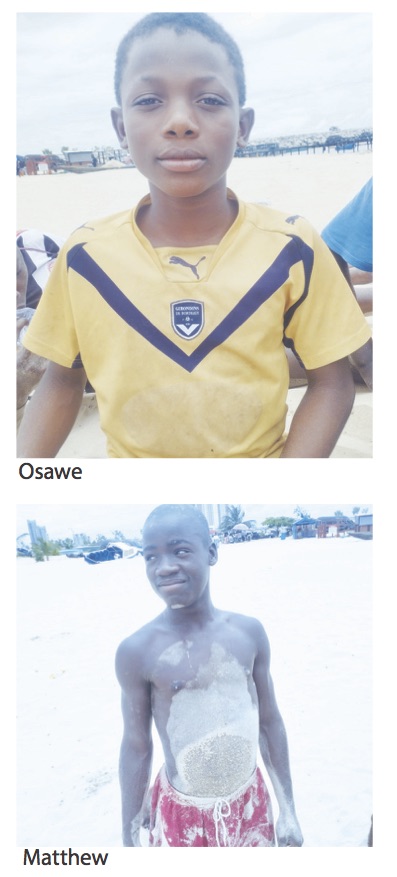
Among these children is a 14-year-old boy named Matthew Oke, who dreams of becoming a pilot. For now, his wings are still dreams; his feet remain on the sand, trudging across the beach every weekend, hustling to earn a few naira to support his family.
“Things were better before they demolished parts of our community,” he recalls. “My father had a job then, and my mother sold food. Now we struggle to eat. I wish I lived in Lekki or Ikoyi. Many people here suffer no electricity, no clean water, not enough food, and no good schools.”
Matthew is not alone in Tarkwa Bay. Around him are dozens of other children, some barely teenagers, all caught in the same cycle of poverty and labour.
Hidden paradise
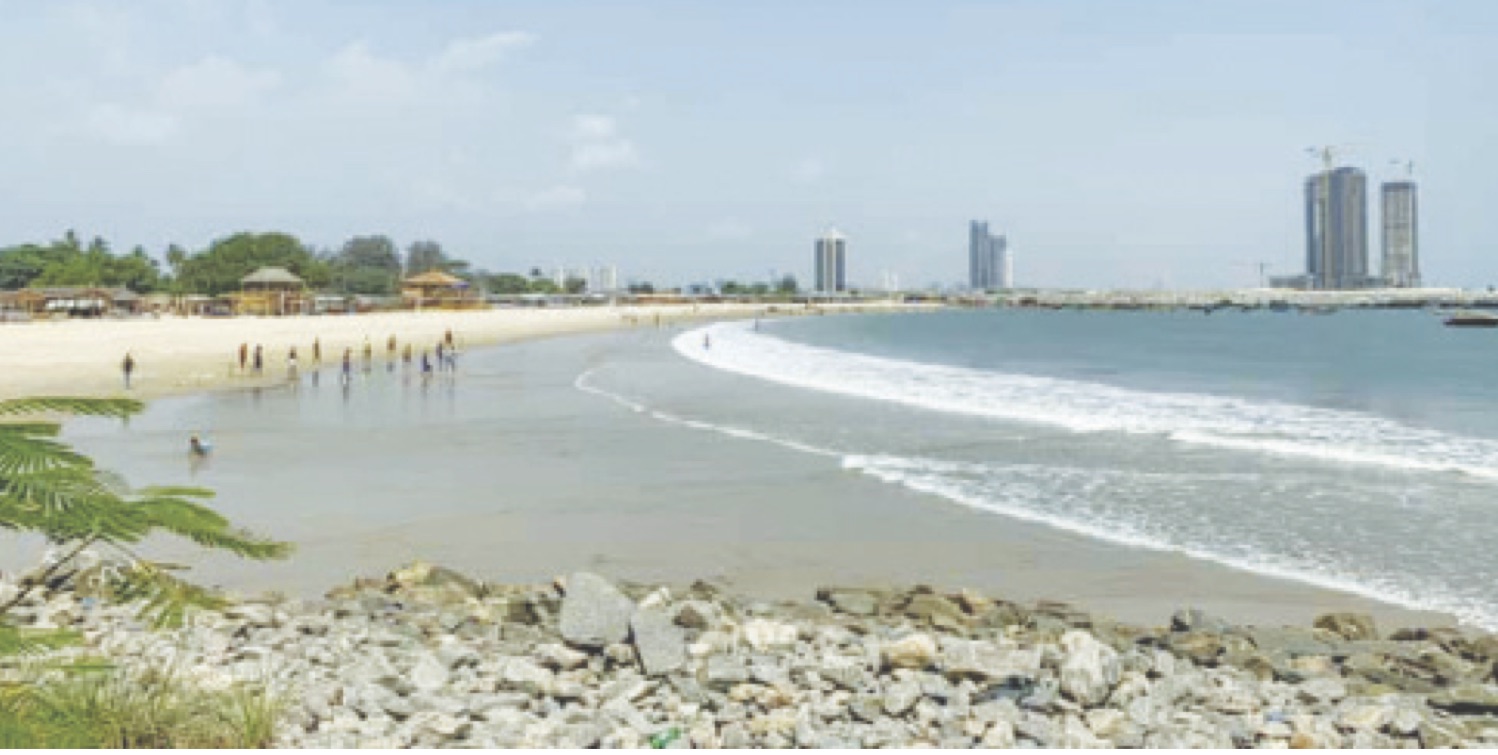
At Tarkwa Bay, just a 25-minute boat ride from the chaos of Lagos Island, past the cargo ships and oil tankers lining the Lagos harbour, lies a different world entirely. The island is one of the many islands that dot Lagos, a crescent-shaped island community where the Atlantic breeze meets human resilience.
Tarkwa Bay is among the communities under Iru/Victoria Island Local Council Development Area of Lagos State. The Island is one of the many voiceless, underserved and neglected riverine communities in Lagos State.
With over 100 years of existence, the community is made up of people from different tribes in Nigeria and foreigners, and the common language of communication among the people is Yoruba, Pidgin and English.
Most of the dwellers in this community are predominantly fishermen, coconut farmers, petty traders, boat drivers, chandlers and tour guides. However, few work or do their businesses in the uptown parts of the state. The island is a unique place due to its natural endowment: a sheltered beach regarded for its scenic beauty and relative tranquillity compared to the city’s bustling beaches, hidden paradise isolated from the mainland by the Lagos harbour, and it’s accessible only by boat.
Its natural beauty makes it a favourite spot for surfers, tourists, and photographers. But behind the postcard-perfect sunsets and gentle waves lies a hard truth: this is home to hundreds of families struggling to make ends meet.
Turning point
In 2020, the island faced mass eviction when the Nigerian Navy and other security agencies cleared out squatters, citing environmental and security concerns. Families who had lived there for decades were displaced overnight, their homes bulldozed into memory; those who remain live with constant uncertainty of eviction, of storms, of being forgotten again.
Yet, despite it all, the community endures. The people, especially the children, remain the heart of this island, beating against the odds.
Their stories deserve to be heard. Not just because they are sad or inspiring, but because they reflect a broader truth: in a nation as wealthy in spirit and culture as Nigeria, no child should have to trade their childhood for survival.
Childhood redefined
On this island, if you stop and look beyond the pleasant beach environment, you will find something else that is really interesting: a community of children who have grown up learning the art of the hustle.
In most parts of the world, childhood is a time of play, learning, and leisure. But here on this island, the children have rewritten the rules; childhood looks very different from what you would find across the bridge in Ikoyi or Lekki. Every child is a potential hustler, not out of rebellion, but out of necessity.
They are not just watching from the sidelines. They are in the thick of it, they engaged in different hustles to survive and to support either their education, career, or to complement their parents’ effort to put food on the table for their families.
From the moment of arrival at the beach to exit from the beach, their presence is felt, most especially on weekends. They are visibly on the ground, selling coconut water, fetching items for beach goers, cleaning surfboards, running errands, and sometimes even acting as tour guides for first-time visitors.
Survival is the game, and these kids have learned to play it well. Many of them work before they even learn to write their full names or to be academically sound.
Education, a distant dream
On this island, education is present, but for many, it remains a luxury rather than a basic right. While the government has made efforts to build schools, both parents and children report that these institutions fall far short of the standards expected for quality education. The buildings often lack essential resources such as classroom materials, infrastructure, and most critically, qualified teachers. As a result, families who can afford it turn to private schools in hopes of securing a better future for their children.
However, even this option comes with challenges. Some children attend school in the mornings and are forced to work in the afternoons to support their families. Others, overwhelmed by financial or social pressures, abandon school altogether.
Voices from the Island
Among those who have abandoned school is 17-year-old Michael Akoteyon, from Benin Republic. He was once a secondary school student, but dropped out after a friend lured him to Ikeja with false promises.
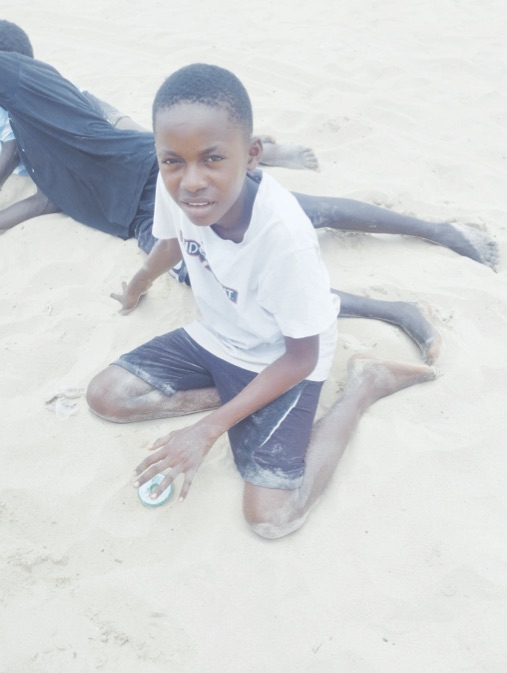
“I stopped school in SS 2 because my friend promised me a better life outside this island. He took me to Ikeja. He said he would put me in a good school, but he didn’t. I have to hustle to survive because my father is late and my mother is only managing a small business of selling potatoes and yams on this beach. My dream is to become a motor mechanic. I make up to ₦5,000 daily to help my mother. I want to become a mechanic and leave this place. The older boys bully us and try to stop us from making money,” Michael said.
Nearby, Osawe Aika, 12, shares a similar story. A JSS1 student from Edo State, he also dreams of becoming a pilot. He said he is hustling on the beach to support his family and education. Lamenting the crime rate in Tarkwa Bay, he disclosed that the older boys used to bully him and other boys whenever they refused to go on errands, most especially to buy hard drugs for them.
“My dad is a fisherman, while my mum is only staying at home. If there are many people on the beach, I can make up to ₦5,000,” he says shyly. But his biggest fear is not the ocean; it’s the older boys who he alleged terrorise the younger ones.
“They beat us if we refuse to run errands for them,” he said.
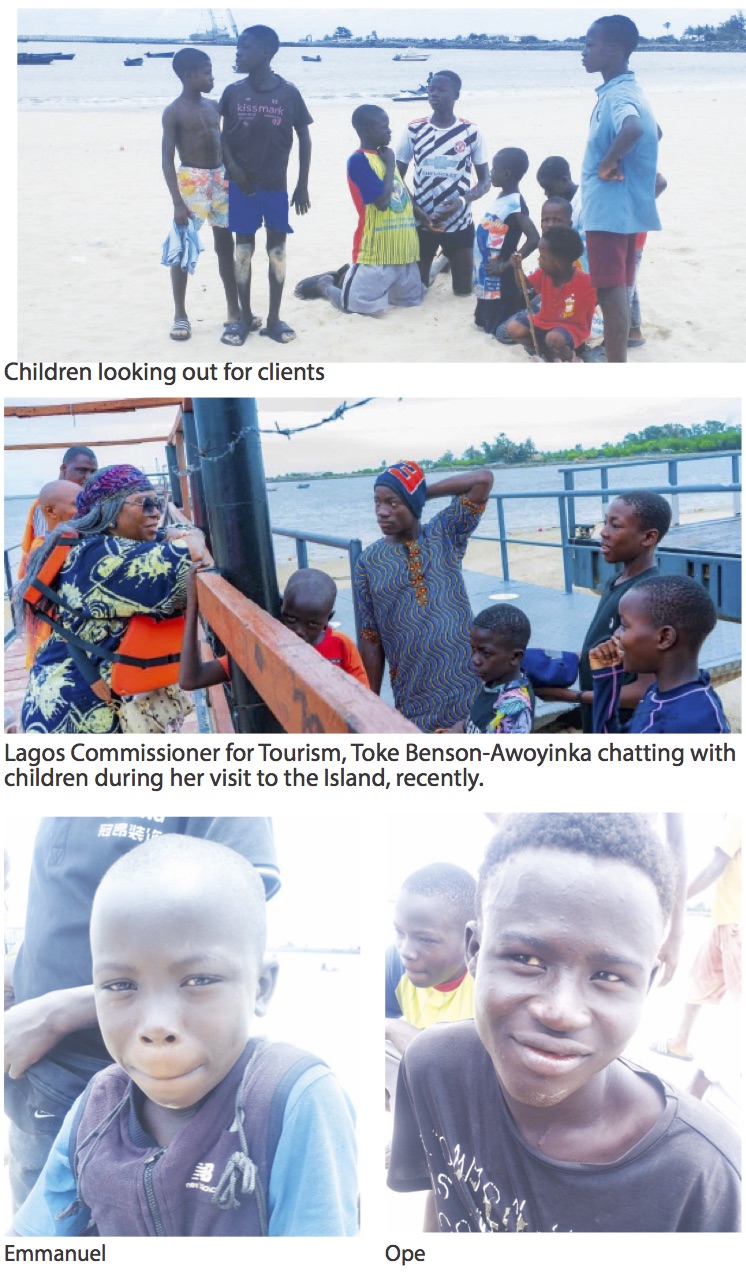
Emmanuel Adekunle, 11 years old, from Ibadan, Oyo State, and a Primary 3 student, said his mum is a manicurist while his father is a construction worker.
According to him, his dream is to become a pilot, but he’s hustling on the beach to support his family and education. He also lamented the way they are being treated on the beach by the older people, who believe “we are spoiling business for them. They also bully us whenever we refused to go on errands for them.”
“I don’t like this place because of stealing, and also they send us on errands to buy hard drugs, and when you refuse, they can flog you or insult you”, he said.
Fourteen-year-old Joshua Adekunle, the older brother, added quietly, “On a good day, I can make ₦14,000 or ₦15,000 while hustling here.”
The boys’ stories are echoed by others: Francis Akoteyon, Francis Christopher, Stephen Brown, and Ope Idowu are all chasing dreams while burdened by adult responsibilities but take solace in sport. Ope, 19, dropped out of school in JSS3 when his parents, beachside liquor vendors, could no longer afford his school fees. Now he trains as a footballer, hoping to one day play for Chelsea FC in England.
“I just want a chance,” he says. “If I make it, I’ll take my family away from here.”
Parents plead for help
Other News
The parents of Tarkwa Bay’s child hustlers carry their own scars, not of physical toil, but of despair.
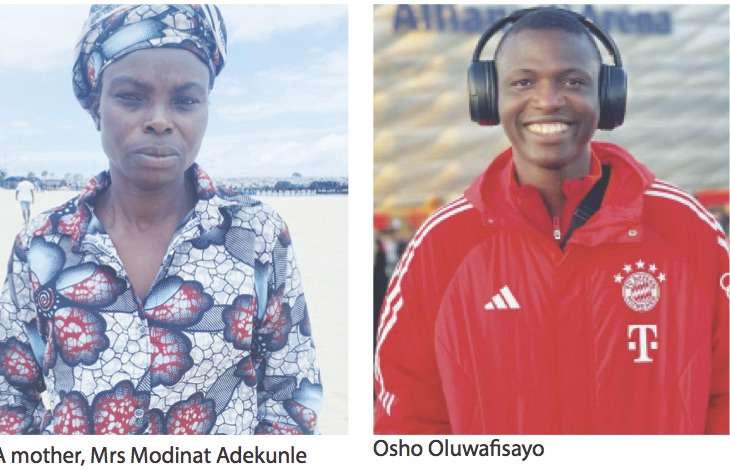
Modinat Adekunle, mother of Emmanuel and Joshua, runs a small stall on the beach. Her voice trembles as she speaks. “Everyone is struggling. We don’t feel the government’s presence at all; no electricity, no clean water, no good schools. Even food is hard to come by. Our children hustle because they must help us survive,” she said.
Mrs Folashade Jimoh, a food vendor, nods in agreement. “Life became harder after the demolition. We lost everything. We need electricity, hospitals, schools, the basic things that make life worth living,” she stated Mrs Michael Abosede, an auxiliary nurse, says the problem isn’t laziness but neglect. “We work hard, but there are no opportunities. Even our children find work because they have to. We just need help and a little support from the government,” she said.
A mirror of Nigeria’s child poverty and labour
Tarwa Bay mirrors a national crisis. In 2015, Nigeria joined the world in adopting United Nation’s 2030 Sustainable Development Goals (SDGs), including the eradication of child labour and provision of quality education. Yet, nearly a decade later, the reality tells a different story.
According to a 2022 UNICEF-National Bureau of Statistics (NBS) report, 54 per cent of Nigerian children are multi-dimensionally poor, meaning they suffer deprivation in at least three key areas: nutrition, health, education, water, housing, or access to information. While Lagos State fares better than many others, only 6.5 per cent of children live below the monetary poverty line; communities like Tarkwa Bay expose the gaps within the statistics.
A 2022 Child Labour Survey by NBS and the International Labour Organisation found that 39.2 per cent of Nigeria’s children aged 5–17 are engaged in child labour, with over 24 million working in hazardous conditions. Though Lagos reports a lower rate (8.9 per cent), these numbers hardly reflect the reality for children on the margins. In Lagos, children aged 5–17 can work up to 25.6 hours per week, depending on their jobs. Many Tarkwa Bay children easily exceed this threshold. This is driven by poverty; families often rely on children to contribute to the family’s well-being and survival.
Call to action
Nigeria’s First Lady, Senator Oluremi Tinubu, voiced deep concern over the persistent problem of child labour in the country, describing it as an injustice that steals the dreams and future of millions of children.
In a statement commemorating the 2025 World Day Against Child Labour (June 12), the First Lady urged for stronger legislation, increased family support and greater investment in quality education for every Nigerian child.
“Today, we raise our voices for millions of children whose dreams are stolen by the harsh reality of child labour. It is unacceptable that children are still forced to work instead of going to school, pursuing their dreams, and growing into productive members of society,” she said.
Senator Tinubu called for a united national response, emphasising that ending child labour requires the collective effort of government, civil society, and communities.
Similarly, Ambassador Chris C. Ibe, Founder and Executive Director of the African Youths Initiative on Crime Prevention (AYICRIP), urged the Lagos State Government and the National Drug Law Enforcement Agency (NDLEA) to urgently address the rising substance abuse and deepening poverty in Tarkwa Bay. He raised the alarm over the growing crime rate and drug use among young people in the island community, warning that the situation poses a serious threat to their future.
“Tarkwa Bay has suffered decades of poverty, infrastructural decay, and neglect despite its tourism potential. “Young people there face limited access to education, healthcare, and job opportunities, leaving them vulnerable to addiction, crime, and hopelessness,” Ibe said.
He described the situation as a “ticking time bomb” that demands immediate intervention, adding that restoring government presence in the community must go beyond enforcement, it must restore hope.
Echoing similar concerns, Osho Oluwafisayo, Director of the Ablaze Football Academy and Ablaze Right to Smile Foundation, as well as Vice President of the Female Football Association Proprietors (FEFAP), highlighted the worsening rate of out-of-school children and child labour in riverine communities.
According to Osho, poverty remains the biggest driver. “Parents are struggling to survive, and many see their children as tools to make ends meet. Because of poverty and exposure to social vices, many of these children lose focus, there’s no one to encourage them about the value of education,” he explained.
Osho noted that government attention to riverine areas is often minimal.
“You see kids hawking during school hours or loitering while others train. When you talk to them, you hear stories of hardship. Many believe sports are their only escape from poverty”, he said. Osho called for a stronger partnership between government and civil society to tackle the problem.
Meanwhile, Dr Tajudeen Salaudeen, a PhD researcher at Louisiana State University, has warned that Nigeria can no longer ignore the growing population of out-of-school and street children across the nation.
An expert in Childhood Studies, Francophone and Postcolonial Studies, Dr Salaudeen has devoted his academic work to exploring how African literature and narratives depict marginalieed children.
In 2024, he received a scholarship to travel across Nigeria and Benin Republic, immersing himself in the lives of street children, a journey he described as both heartbreaking and enlightening.
“Street children are not born on the streets. They are pushed there by forces beyond their control: poverty, family breakdown, displacement, neglect and sometimes violence. What saddens me the most is how society has normalised their suffering. We walk past them daily as if their existence doesn’t matter. But it does,” he said.
State government efforts
The Governor of Lagos State, Mr Babajide Sanwo-Olu, recently embarked on an unscheduled working tour of the state’s coastal areas to conduct an on-the-spot assessment of the rapid and often chaotic developments across various riverine communities.
Although Tarkwa Bay was not among the locations visited, the governor reaffirmed his administration’s commitment to improving healthcare, electricity supply, and security across all riverine settlements in the state. As part of these efforts, a 30-megavolt-ampere (MVA) power station constructed by the state government was handed over to Eko Disco to facilitate the connection of riverine communities to the national grid. The Commissioner for Waterfront Infrastructure Development, Mr Yacoob Ekundayo Alebiosu, also reiterated his ministry’s dedication to enhancing the quality of life and economic potential of residents in Lagos’ riverine areas, including Tarkwa Bay. He emphasised the strategic importance of coastal settlements to the state’s Blue Economy Initiative and pledged continued investment in waterfront infrastructure to promote mobility, trade, and connectivity.
“In line with our commitment, the ministry recently completed the construction of a modern jetty at Tarkwa Bay. This vital infrastructure is already transforming the community’s socio-economic landscape by providing safer, faster, and more efficient transportation for residents, traders, and visitors.
“The jetty will open access to markets, encourage tourism, stimulate small-scale enterprises, and uplift the standard of living in the area. In addition, we are constructing high-capacity pontoons to further ease water transportation challenges and promote sustainable economic activity across riverine communities,” Mr. Alebiosu stated.
The Commissioner for Tourism, Arts and Culture, Mrs. Toke Benson-Awoyinka, during her recent visit to Tarkwa Bay, also reaffirmed the state government’s commitment to transforming the island into a world-class tourist destination.
She highlighted plans to upgrade infrastructure, enhance security, and expand ferry services to make Tarkwa Bay more accessible.
Mrs. Benson-Awoyinka further announced capacity-building initiatives to empower local youths as lifeguards, tour guides, and coastal guards, efforts aimed at boosting safety standards while creating employment opportunities for residents.
In the area of education, the state government has launched the Education Sector Plan (ESP), a 10-year roadmap (2025–2035) outlining education policies, goals, and strategies to drive poverty reduction and foster economic development through access to quality education.
The Commissioner for Basic Education, Mr Jamiu Alli-Balogun, speaking through the ministry’s Permanent Secretary, Mrs Abisola Dokunmu-Adegbite, noted that the ESP aims to raise educational standards, ensure inclusive access, and use education as a tool for skill acquisition, job creation, and improved living standards.
Speaking specifically on education in Tarkwa Bay and other riverine areas, the Tutor-General/Permanent Secretary of Education District III, Prince Osinaike Olusegun Olawale, disclosed that the government has recently deployed new teachers to the district following a large-scale recruitment approved by Governor Sanwo-Olu.
He explained that this deployment is part of the broader effort to strengthen education in remote and hard-to-reach communities. Additionally, the Lagos State Teaching Service Commission (TESCOM), led by Mrs Victoria Mopelola Peregrino, is working on introducing special stipends and incentives for teachers posted to riverine areas like Tarkwa Bay.
According to Prince Osinaike, these measures are designed to encourage teachers to remain in these communities and ensure consistent teaching and learning activities. He added that the government is fully aware of the infrastructural challenges facing schools in Tarkwa Bay and other coastal areas and expressed optimism that concrete actions would soon follow to upgrade school facilities and provide a more conducive learning environment for students.
Paradise caught in tides of neglect
Tarkwa Bay may seem like paradise from afar, but a closer look reveals a community caught in the tides of poverty, neglect, and survival. For its children, the beach is not a playground; it’s a workplace, a battleground, and sometimes, a last resort.
Until urgent action is taken through education, infrastructure, social support, and protection of children, Tarkwa Bay will remain a paradise lost, where every child must hustle just to survive, a place where the laughter of children is tainted by bitterness of struggle