Follow Us on Google
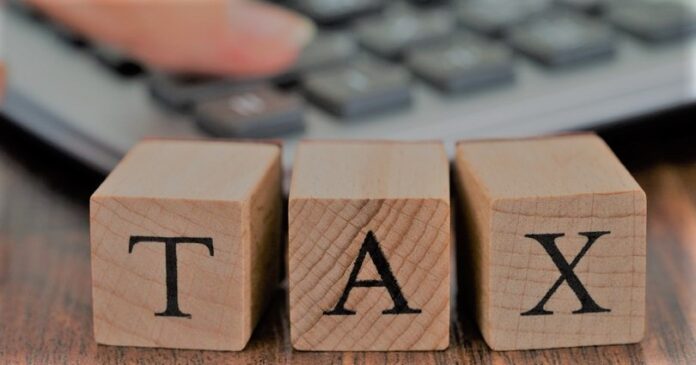
The Federal Government’s plan to hike taxes at this point in time will aggravate the economic hardship in the country. It will also lead to increase in prices of goods and services. Already, manufacturers are lamenting the multiple taxes imposed at all levels of government. Based on the fact that the economy is still in the doldrums, the plan to increase taxes should not be contemplated at all. It is hasty and should be suspended forthwith.
The higher the tax burden, the more expensive and difficult it will be for businesses to thrive. According to available data, there are over 30 different taxes that are choking business operators in the country. The new tax hike will hamper the implementation of the African Continental Free Trade Area (AfCFTA), which took effect on May 30, 2019. With the new tax regime, the products of Nigerian manufacturers will not compete favourably with those of their counterparts from other African countries.
The taxes are Company Income tax, Stamp Duties, Petroleum Profit tax, Capital Gains tax, Value Added tax, Personal Income tax, Tertiary education tax and Withholding tax. Others include Cabotage levy, Radio & televisions tax, telecom tax, Police Special Trusted Fund tax, parking fee, signage tax, and consumption tax.
Some of the taxes have been increased at a rate higher than the global average. For instance, the government has raised Company Income tax to over 30 per cent. This is above the global average of 23.37 per cent, and African average of 27.6 per cent. Education tax has been increased to 2.5 per cent from 2 per cent, Vat from 5 per cent to 7.5 per cent. This is in addition to over 50 other forms of taxes and levies reportedly imposed on the Organised Private Sector (OPS) by the federal, state and local governments.
The Manufacturers Association of Nigeria (MAN) has protested against multiple taxation and the harsh economic environment. No doubt, multiple taxation has led to shutdown of many businesses. Many Small and Medium Enterprises have lost about nine per cent of their total income annually, running into billions of naira.
About 17 new bills are still before the National Assembly, all with the aim of raising more taxes. Last week, the Minister of Finance, Budget and National Planning Zainab Ahmed, announced a comprehensive review of the Import Adjustment Tax (IAT) as part of the implementation of Economic Community of West African States (ECOWAS) Common External Tariff (CET) 2022-2026. This led to the increase in tariffs for importation of rice, wheat, alcoholic beverages, among 189 items. The 2023 revised document has raised tariff for rice packing of more than 5kg to 60 per cent from the current 50 per cent. Similarly, importation of wheat or meslin flour now attracts 70 per cent as against 50 per cent in the proposed 2022-2026 ECOWAS/CET. All of this will impact negatively on Nigeria’s goods and services within the ECOWAS and African markets. The multiple taxes will also affect Nigeria’s competitiveness in the international market. We call for a downward review of some of the taxes and those that will hamper foreign investment. If the hike in taxes is not stopped, it will aggravate unemployment, discourage Foreign Direct Investment (FDI) and reduce the purchasing power of Nigerians.
Statistics from MAN show that in the last four years, over 300 businesses in the country had either relocated to neighbouring countries or shutdown as a result of multiple taxes and erratic power supply. Nigeria is currently ranked low on the Ease of Doing Business (EoDB) Index. There is need to create more jobs, reduce poverty and attract more investments. Multiple taxation will vitiate these objectives. Only approved taxes and levies should be charged. Unfortunately, many unapproved levies and fees are collected by government agencies, local councils and their proxies across the country.
Widening the tax net is good, but it should not be used as a ploy to impose multiples taxes. We believe that the current company tax should be pegged at 20 per cent, while VAT should be reverted to the previous rate of 5 per cent. Let the government beam searchlight on companies that are evading taxes rather than suffocate businesses that pay taxes.
A recent report by the OPS indicates that the current tax regime imposed by the various tiers of government on the private sector is at variance with the national tax policy which prescribes that there should be less emphasis on direct taxation in order to incentivise investment. The incoming administration should streamline the nation’s taxation policy and make it more efficient.