Follow Us on Google
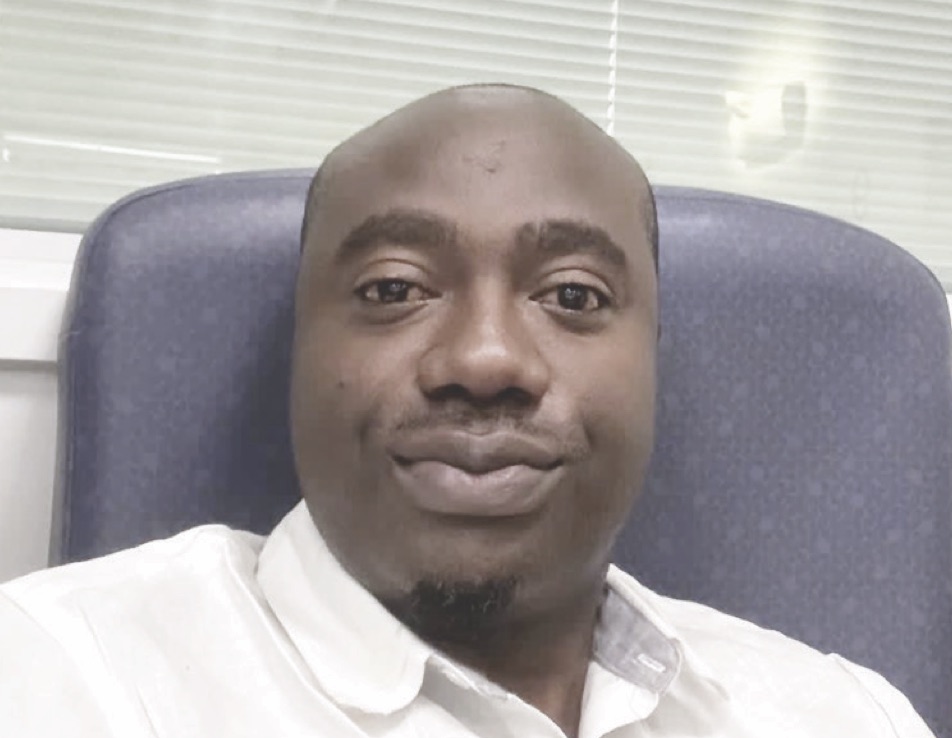
•Olufisayo, ATSO VP, gives tips to FG, exam bodies, other stakeholders
By Gabriel Dike
Mr. Bankole Olufisayo is the National Vice President, Association of Tutorial School Operators (ATSO), Nigeria. He examined Federal Government directive to the West African Examinations Council (WAEC), National Examinations Council (NECO) and others to commence conduct of e-exam in 2026.
He spoke with Daily Sun. Excepts:
What is the state of affairs as regards e-exam?
When the Joint Admissions and Matriculation Board (JAMB) first introduced Computer-Based Tests (CBT), many people doubted its sustainability. It was rough at the beginning, but today, JAMB has built a strong level of credibility around it.
It is now regarded as one of the most trusted examination processes in Nigeria. This shows that while new systems may face initial challenges, with persistence and continuous improvement, they can become reliable.
Is the nation prepared for WAEC, NECO and NABTEB to commence CBT exams in 2026?
It is long overdue. The world is advancing with technology, and our educational system should not be left behind. While there are infrastructural and logistical challenges, the directive is achievable if the government and relevant bodies begin working with all stakeholders immediately.
Share the experience of some of your students who wrote e-exams (UTME).
Our students, especially those who passed through tutorial schools accredited by ATSO, have little or no difficulty handling CBT. Part of our responsibility is to remove computer phobia and ensure that candidates are confident in using technology for examinations. However, the limited number of CBT centres, particularly in rural areas, remains a challenge.
Many students travel long distances to sit for exams, which can be stressful and costly. Despite these challenges, our students continue to excel, proving that with proper preparation, CBT is not a barrier.
Is the 2026 directive to WAEC and NECO feasible?
Yes, it is feasible. But it requires seriousness on the part of the government and exam bodies. Early engagement of all stakeholders—including ATSO, school operators, and ICT experts—is crucial. The sun is still shining; there is time to make hay, but preparations must start immediately.
With power supply a major issue, how can CBT operators cope?
JAMB has already provided a working template that shows power challenges can be managed. Over the years, power-related disruptions have reduced significantly. Operators have adopted alternative power solutions like generators and solar backups. While the issue is not completely solved, it is manageable, and with more investment, it will not hinder the 2026 plan.
What role can government play if the mandate is to be actualised?
Government must take the lead in funding and supporting this transition. This includes empowering existing CBT centres, providing grants or facilities for stakeholders who want to establish new centres, and ensuring every state—especially rural areas—has adequate coverage. Without government support, the directive may remain on paper.
What should the exam bodies do to ensure a smooth take-off of the CBT exams next year?
The exam bodies should collaborate rather than work in isolation. They must engage with stakeholders such as ATSO, who are directly involved in preparing students. Together, we can design effective systems, address fears, and ensure the credibility of the process. They must also run pilot tests, train examiners, and expand infrastructure before full-scale implementation.
The Minister says CBT exams will reduce malpractice. Do you agree?
I completely agree. CBT will drastically reduce exam malpractice. In fact, I believe it will restore students’ confidence in genuine learning. Many bright students have been discouraged from attending tutorials because of the prevalence of malpractice.
Once CBT becomes standard, students will return to classrooms and tutorials, knowing that only their hard work can guarantee success. This will eventually force those who promote malpractice to take a new path.
Any role for your members to play in the CBT exams?
Absolutely. Our members are already involved. Some own CBT centres, while others are in the process of establishing new ones. ATSO as a body also has plans to set up CBT centres across all states of the Federation, including the FCT. This initiative will not only support the government’s directive but also create easier access for students nationwide.
What must the government and exam bodies do to make e-exam a success?
They must embrace technology fully and shift their mindset away from paper-and-pencil methods. Second, they should work towards rewarding excellence. For instance, just as President Bola Tinubu rewarded the Super Falcons, there is nothing wrong in celebrating and rewarding outstanding students in national exams. This will inspire healthy competition and motivate youths to work harder.
Do you have any fear for the take-off of e-exams?
I have no fear. This is long overdue. Of course, the first stage may not be perfect, but gradual improvement will get us there. When President Tinubu removed subsidy, it was tough initially, but today we are beginning to see the benefits of that sacrifice. In the same way, the shift to CBT exams may come with challenges at first, but the long-term gains will be immense. As ATSO, we are more than ready to support this transition and contribute our quota to its success.