Follow Us on Google
By Rita Okoye
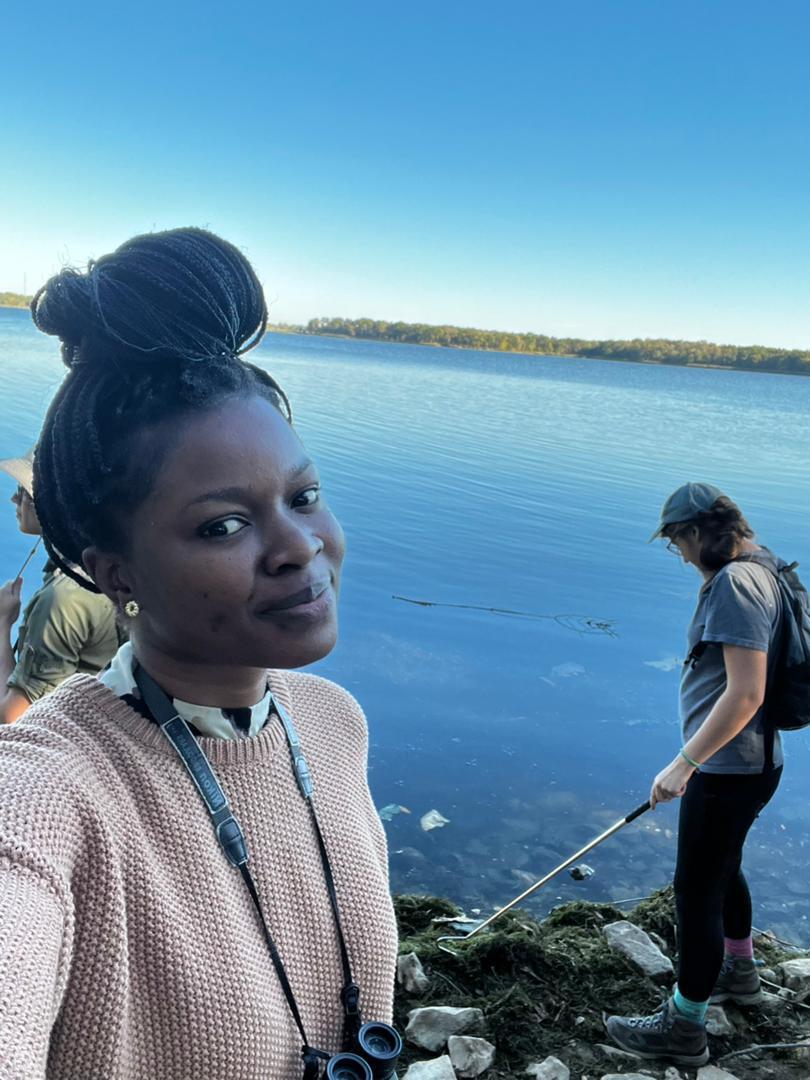
A compelling new study by Ayomiposi Ayodele, a leading research expert in Ecology and Conservation Biology at Texas A&M University, delivers a critical assessment of how climate change is devastating bird diversity in vital tropical ecosystems, particularly the Amazon Basin and Central America.
Published in the World Journal of Advanced Research and Reviews, Ayodele’s research highlights that rising temperatures, altered rainfall, and extreme weather events are profoundly disrupting bird habitats, food sources, and breeding cycles for hundreds of species.
Specialized tropical birds, those dependent on narrow ecological niches, are identified as most at risk. “Species that are highly specialized or live in confined altitudinal ranges are losing their homes faster than they can adapt,” Ayodele warns.
The study underscores the profound changes occurring in the Amazon Basin, where rising temperatures are shrinking habitats and reducing food for insectivorous birds.
In Central America, a crucial migratory corridor, declining precipitation affects the timing of plant flowering and insect emergence, disrupting key food chains. Ayodele notes, “When climate change affects food availability, the ripple effects are felt across migration, reproduction, and survival.” Iconic species like the Resplendent Quetzal are already retreating to higher elevations, facing unsustainable shifts due to physical barriers and deforestation.
Ayodele’s work also reveals how migration patterns are being disrupted, with birds like the Black-throated Green Warbler arriving too early or too late, missing crucial food peaks for raising young. She emphasizes the importance of often-overlooked small-bodied species that are vital for ecosystem health, such as pollinators and pest controllers.
The research critically identifies significant knowledge gaps, including the lack of long-term monitoring data in remote regions. Ayodele stresses the danger of underestimating the threat by looking at climate change in isolation, advocating for an integrated view that includes human-induced pressures like logging and pollution.
The paper concludes with a robust call for action, advocating for adaptive conservation strategies that include climate-resilient protected areas, forest restoration, improved landscape connectivity, and crucially, empowering local communities in conservation planning. “Conservation strategies must evolve with the climate,” Ayodele states. “Protecting static reserves in a rapidly changing world is no longer enough.”
Ayodele’s research provides a sobering, yet vital, roadmap for addressing biodiversity loss in these critical regions, underscoring that the time for proactive, science-driven conservation is now.