Follow Us on Google
By Chukwuma Umeorah
Stakeholders in government, business and the media have called practical solutions to Nigeria’s governance and economic challenges, stressing the need for stronger institutions, accountable leadership, reliable electricity and policies that translate into measurable improvements in citizens’ lives.
They made the call at the seventh anniversary of Real Talk with Kike, a television and radio programme hosted by Kikelomo Atanda-Owo Abati, where speakers examined the responsibilities of government, businesses, the media and citizens in addressing the country’s challenges.
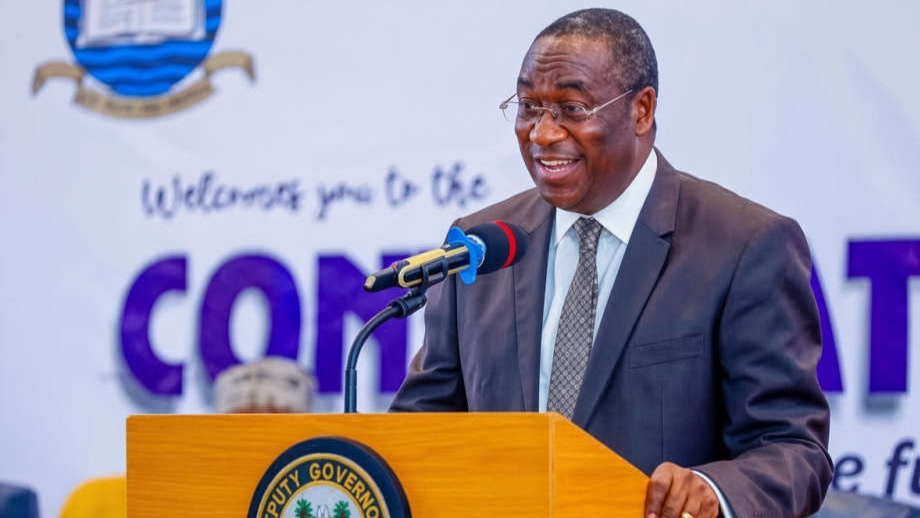
Lagos State Deputy Governor, Dr Obafemi Hamzat said the country’s development required effective collaboration between government and the private sector, supported by policies that produce measurable results.
Represented by the Secretary to the State Government, Bimbola Salu-Hundeyin, Hamzat acknowledged that high operating costs, unreliable electricity and bureaucratic delays continued to affect businesses, stressing that investment and industrial growth depended on improvements in the business environment.
Hamzat said the Lagos State Government was working towards clearer and more consistent rules for investment, electricity and business approvals, alongside measures to reduce delays between investment decisions and the commencement of operations. “The state is targeting 97.5 per cent electricity affordability by 2030 and a reduction in electricity market losses to below 10 per cent. In May 2026, the Lagos State Electricity Regulatory Commission issued its first 14 licences and permits to private operators. The state has also signed a power purchase agreement with three independent producers.”
However, he stressed that the success of such measures should ultimately be assessed by their effects on households and businesses, particularly whether they could access more reliable electricity and operate more competitively. The government also called on businesses to invest in local production, train Nigerians and strengthen domestic supply chains, while urging the media and other stakeholders to provide constructive feedback that could improve public policies.
Air Peace Chairman and Chief Executive Officer, Allen Onyema, called for a better understanding of the operational challenges facing airlines, particularly when flight delays and cancellations occur. He said airlines were often blamed for disruptions without sufficient consideration of the circumstances surrounding them, including adverse weather, airport restrictions and other operational difficulties.
He argued that in such circumstances such as flight delays, wrong information on social media could shape public perceptions without providing the full circumstances surrounding an event. However, Onyema acknowledged that airlines were not blameless, admitting that operational mistakes occurred.
“But that does not mean that Airpeace or other airlines do not make mistakes,” He said there were instances when airline staff failed to perform their duties properly, adding that the industry’s challenges needed to be considered alongside its shortcomings.
Veteran journalist and scholar, Dr Reuben Abati, focused on the quality of leadership and the strength of public institutions, arguing that Nigeria needed to review how people were selected for positions of authority.
He said weak institutions and an entrenched culture of impunity could undermine individuals who entered government with good intentions, turning public office into an avenue for personal gain rather than service.
Other News
“But no matter how gifted, how well-meaning that you may be, when you get into the corridors of power, except your character is so strong, except you are principled, you get in there, the institutions are weak, the environment, the culture of impunity are so established that you just get sucked in,” Abati said.
He called for a review of the leadership recruitment process, stronger institutions and greater accountability for public officials who violate the law. According to him, Nigeria needs standards that prepare people for positions of authority and ensure that public institutions can carry out their responsibilities without interference or a culture of impunity.
Abati also stressed the need for ethical conduct in public life, arguing that personal values must be reflected in the way individuals discharge their responsibilities.
Chairman of the Nigerians in Diaspora Commission, Hon Abike Dabiri-Erewa, similarly emphasised accountability, saying the failure to punish wrongdoing encouraged misconduct. She argued that laws must be enforced consistently, regardless of who is involved, and that people should be held responsible for their actions.
Dabiri-Erewa also raised concerns about what she termed as ‘irresponsible journalism and the spread of unverified information on social media’, insisting that journalists must uphold professional standards while holding public officials accountable.
She said the responsibility to demand transparency from government should be matched by the media’s responsibility to report accurately and ethically.
The host, Kikelomo Atanda-Owo Abati, linked the country’s leadership challenges to individual conduct, saying the values people practise in their homes and personal relationships influence their behaviour in public life.
“Leadership begins at home,” she said, arguing that the way people treat their families, raise their children and relate to others contributes to the kind of society they help build.
Abati, who marked more than 20 years in the media and seven years of Real Talk with Kike, also spoke about the financial and operational difficulties involved in sustaining a media programme, including the demands of production, coordination and maintaining a platform for public discussion.
She said “the programme was established to create space for conversations on issues affecting the country and to encourage participants to reflect on their responsibilities.
The speakers stressed that national development required more than policy announcements and public commitments. They called for stronger institutions, practical implementation, improved business conditions and greater accountability from government, the private sector, the media and individual citizens.