Follow Us on Google
…No cause for alarm –Operator
By Henry Uche
As Nigeria prepares to roll out the National Single Window (NSW), a flagship reform aimed at transforming the country’s trade ecosystem in March, concerns are mounting among key stakeholders about potential sabotage and operational compromise. Designed to streamline cross-border trade, plug revenue leakages, and enhance transparency, the NSW initiative faces warnings from industry actors over internal and systemic risks that could undermine its success.
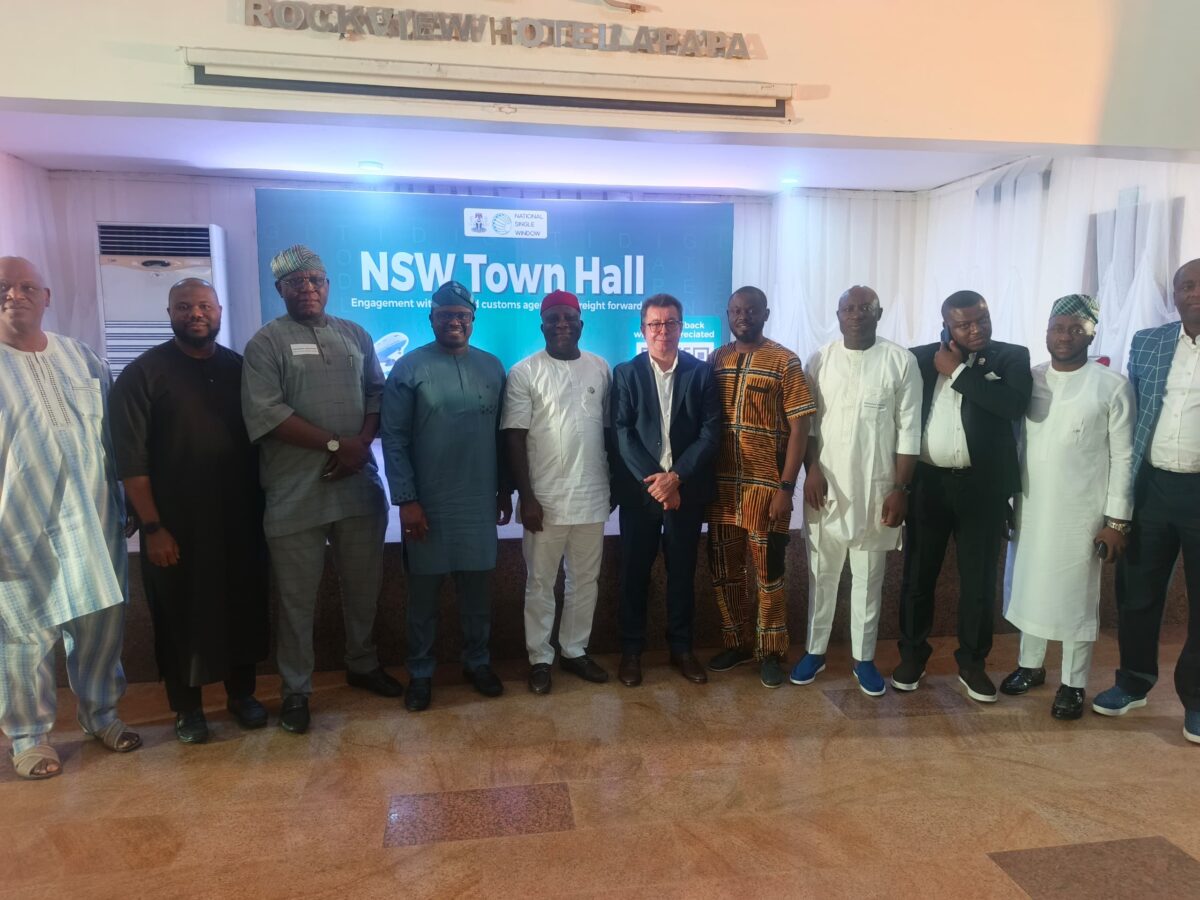
During interactive sessions in Lagos with the NSW team, members of the National Association of Government Approved Freight Forwarders (NAGAFF) and the Association of Nigerian Licensed Customs Agents (ANLCA) raised fears of “internal sabotage” emanating from some government ministries, departments, and agencies along the business value chain. They also highlighted operational hurdles, including poor network connectivity, erratic electricity supply, dilapidated infrastructure, non-functioning machinery, and weak enforcement mechanisms.
“Cyber vulnerabilities, skill gaps and insatiable greed among certain state actors are real threats,” stakeholders warned, specifically flagging the Nigeria Customs Service (NCS), Standards Organisation of Nigeria (SON), and Marine Police as agencies to monitor closely as the first phase of the project kicks off on March 27, 2026. Other MDAs involved include the Nigerian Agricultural Quarantine Service (NAQS), Nigerian Ports Authority (NPA), Federal Airports Authority of Nigeria (FAAN), Nigerian Maritime Administration and Safety Agency (NIMASA), and the Nigerian Shippers Council.
In response, the Director of the NSW Project, Mr. Tola Fakolade, reassured business operators of the government’s commitment to overcoming these challenges. “We are aware of all these issues, that is why we have three phases so that we can monitor progress,” he said. Fakolade emphasized that the initiative is designed to reposition Nigeria as a first-choice investment destination in Africa.
“All these challenges will not disappear in one day. But we are laying the right foundation, putting the right processes in place, and starting that journey.
The expected improvements will gradually compound over time, enabling us to reach our desired destination,” he said.
Other News
As a digital trade platform, the NSW will significantly reduce clearance time, lower costs, and improve transparency across Nigerian ports. Fakolade explained: “Traders submit information once, and the system automatically shares the data with all relevant agencies.
This eliminates duplication, reduces human discretion, and limits opportunities for malpractice.”
The President of ANLCA, Mr. Emenike Nwokeoji, commended the federal government’s efforts, urging members to embrace the reform. “This would be a relief to the challenges we face on a daily basis,” he said. Similarly, NAGAFF founder Boniface Okechukwu Aniebonam described the NSW as “one of the best things that have happened to Nigeria,” encouraging members to invest in capacity building through the association’s academy, affiliated with Redeemer’s University.
Key features of the NSW include data harmonization, end-to-end transparency, electronic payments, and a centralized risk management framework. Performance benchmarks aim to reduce cargo clearance from 12–21 days to just 24 hours for compliant traders, cut export processing from 11 days to one day, reduce physical inspections from 90% to 10%, and align clearing costs with neighboring West African countries.
Launched on April 16, 2024, Phase Two of the NSW is scheduled between Q2 and Q3 of 2026 to integrate outstanding import permits and export processes. Phase Three, set for Q1 2027, will focus on customs declarations, alongside ongoing training for ANLCA, NAGAFF, and other stakeholders.
Fakolade concluded: “Any technology-driven change may be inconvenient at first, but these improvements will compound over time, delivering real value for Nigeria’s trade ecosystem.”