Follow Us on Google
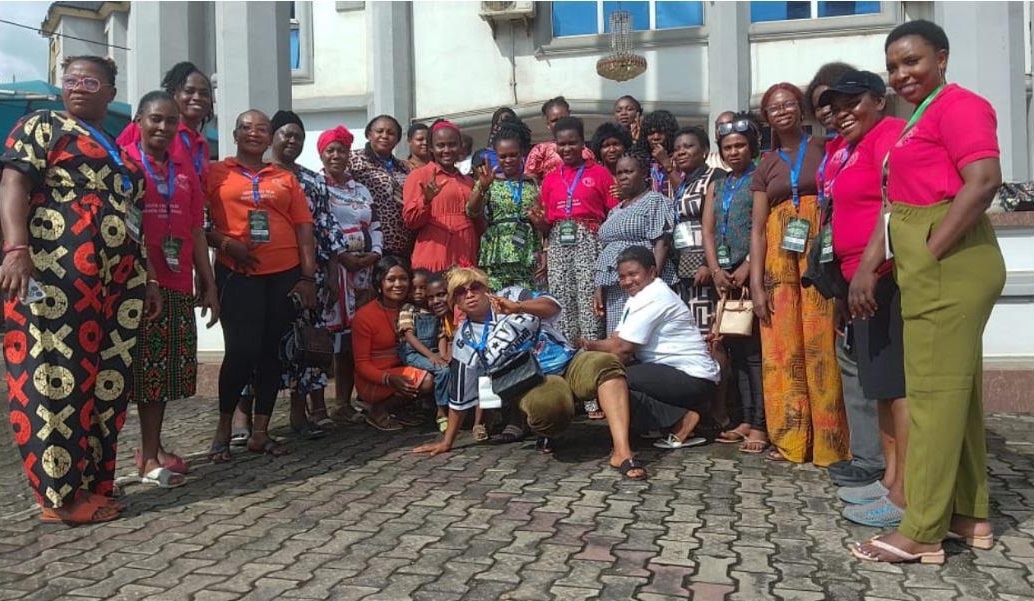
The South-East Deaf Women Association has called on the Federal Government and state governments to officially recognise Nigerian Sign Language (NSL) and urgently pass the Nigerian Sign Language Bill into law.
The association made the demand as it joined the global Deaf community to mark September 2026 as International Deaf Awareness Month under the theme, “With Sign Language, We Are All Included.”
It also identified September 23 to 29 as the International Week of the Deaf and Sign Language, with the theme, “Sign Up for Sign Language Rights.”
In a statement issued to mark the occasion, the association said the month provided an opportunity to celebrate Deaf culture and language while drawing attention to the challenges confronting Deaf and hard-of-hearing people in Nigeria.
In the statement signed by Mrs. Maria Chidimma Alufo-Ekpo, the South-East Zonal Women Leader of the group, she stressed that access to communication was fundamental to the enjoyment of basic human rights, warning that the absence of sign language services in critical institutions could expose Deaf Nigerians to serious disadvantages.
“Without Sign Language, Deaf people are excluded from basic human rights. Communication is a human right,” she said.
The group noted that Deaf people could face difficulties accessing healthcare, education, justice and government services when communication barriers were not addressed.
The association said its objective was to achieve full recognition and inclusion of Deaf people in Nigeria, particularly Deaf women and children in the South-East and other parts of the country.
It called for legal protection, equal access to education and healthcare, economic empowerment and greater representation of Deaf people in governance and decision-making.
The group specifically urged President Bola Tinubu and state governors to officially recognise Nigerian Sign Language, while calling on the National Assembly and state legislative houses to support and pass legislation giving the language legal recognition.
According to the association, legal recognition of NSL would be critical to protecting the rights, dignity and inclusion of Deaf and hard-of-hearing Nigerians.
To give practical effect to the theme of the awareness month, the association called on federal and state governments to:
Pass the Nigerian Sign Language Bill into law and recognise NSL as an official language.
Introduce Nigerian Sign Language as a subject in public and private schools.
Guarantee equal rights and inclusion for Deaf women and children in education, healthcare, employment, politics and decision-making.
Employ qualified Deaf women in the public and civil service.
Establish affirmative-action quotas for Deaf women in government appointments and leadership positions.
Provide qualified sign-language interpreters in hospitals, courts, government agencies and other public institutions.
Establish scholarships and grants for Deaf and hard-of-hearing students.
Provide appropriate learning equipment and materials for Deaf students and ensure safe and supportive school environments.
Why sign language should be taught in schools
The association argued that making Nigerian Sign Language a school subject nationwide would help bridge the communication gap between Deaf and hearing Nigerians from childhood.
It said early exposure to sign language would reduce isolation and discrimination while encouraging greater understanding of diversity and disability.
Other News
According to the group, teaching NSL in schools would also create employment opportunities for teachers, interpreters, lawyers and other professionals with sign-language skills.
It argued that greater accessibility would enable Deaf Nigerians to participate more fully in the economy rather than remain excluded from employment and other opportunities.
The association also linked sign-language education to national unity, saying it would promote empathy, respect and inclusion among Nigerian children.
It said recognition of NSL would further strengthen Nigeria’s implementation of international disability-rights commitments, including the United Nations Convention on the Rights of Persons with Disabilities and the Sustainable Development Goals relating to quality education and reduced inequalities.
The group maintained that sign-language proficiency among police officers, lawyers and judges would improve access to justice for Deaf victims, witnesses and suspects.
It also identified healthcare as a critical area where communication could have life-saving consequences, particularly during medical emergencies, childbirth and disasters.
“Doctors, nurses and emergency workers who know Sign Language will save lives during medical emergencies, childbirth and disasters,” it said.
The association further argued that sign-language accessibility could help Deaf women report gender-based violence and access support services without communication barriers.
It said the integration of sign language into emergency response systems would also ensure that Deaf citizens received warnings, evacuation instructions and other critical information during disasters.
The group said recognition of Nigerian Sign Language would have benefits beyond disability inclusion, including economic growth, innovation and improved public service delivery.
It argued that businesses employing Deaf people could benefit from a broader talent pool and new markets, while increased demand for sign-language applications, artificial intelligence translation tools and educational technology could create opportunities for Nigerian technology companies.
The association also called for sign-language accessibility in media and broadcasting, transportation, tourism, hospitality, sports, religious institutions and other public services.
It said hotels, airports and tourist centres that provided sign-language services could attract more Deaf visitors from Nigeria, Africa and other parts of the world.
In education, the group argued that removing communication barriers would help reduce dropout rates among Deaf students and improve their chances of completing their studies.
It also emphasised the importance of family integration, urging hearing parents and siblings of Deaf children to learn sign language to improve communication and strengthen family relationships.
The association said universities could also develop academic programmes in Nigerian Sign Language linguistics, literature and interpretation, thereby expanding research and professional opportunities.
The South-East Deaf Women Association urged government institutions, private organisations, civil society groups and disability-rights advocates to support the recognition and use of Nigerian Sign Language across all sectors.
It said sign language should be integrated into workplaces and public systems, particularly healthcare, education, employment, transportation and government services.
“Sign Language is a powerful tool that bridges the communication gap and builds a more inclusive society,” the association said.
The group maintained that a Nigeria where Deaf citizens could communicate freely and access public services on an equal basis would be more just, productive and inclusive.
It therefore urged policymakers to move beyond awareness campaigns and take concrete legislative and institutional steps to ensure that Deaf Nigerians were not left behind in the country’s development.