Follow Us on Google

Story and photos by Henry Umahi, who was in Maiduguri
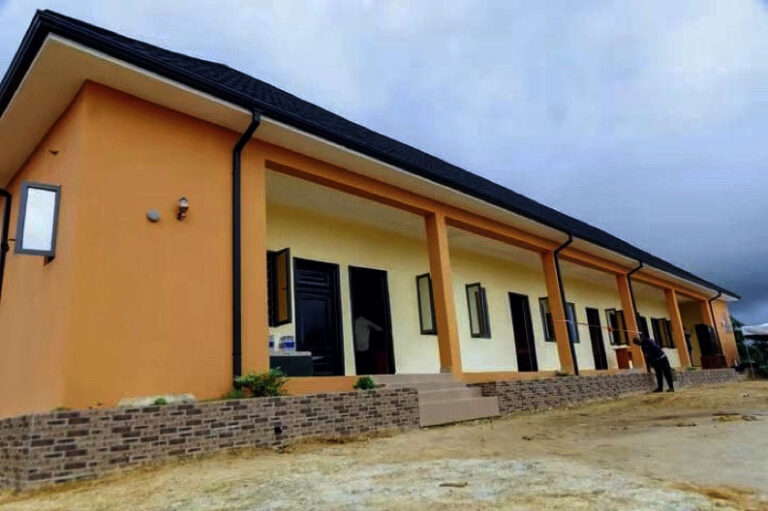
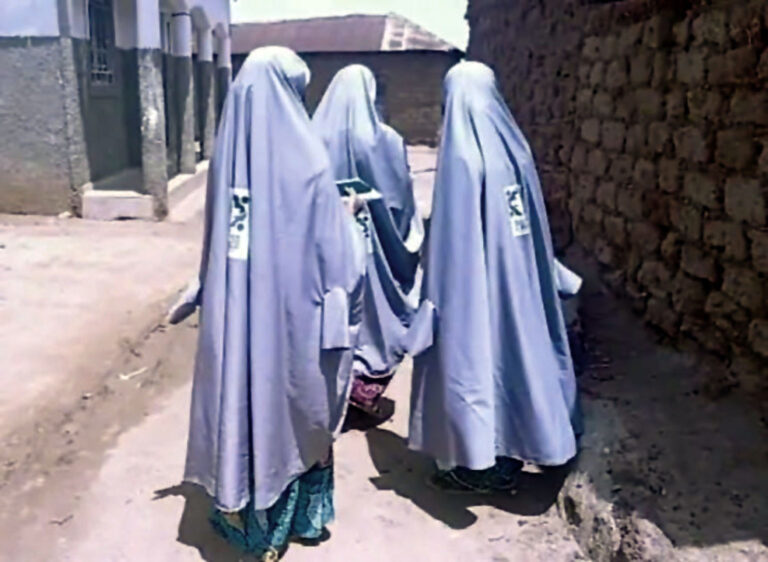
At the Hajj Camp in Maiduguri, the capital of Bornu State, is a large community of men, women, children and even tots. There are 14,000 residents of the camp comprising 5000 surrendered Boko Haram fighters, their wives and children. There are two other camps in the state harbouring surrendered Boko Haram insurgents. While some of the fighters are victims forcibly conscripted, some of them were very young when they were taken into the bush.
Daily Sun checks revealed that the increasing number of Boko Haram fighters throwing in the towel is the result of several non-kinetic activities
being carried out by the armed forces of Nigeria in sync with ongoing operations. These activities have humanized the conflict, and international organisations and world leaders have commended the uncommon initiative.


It was gathered that a total of 82,237 Boko Haram terrorist fighters and their families have surrendered since July 2021. Out of the surrendered persons, 16,577 were active male fighters, 24,499 are women while 41,161 are children.
Daily Sun was at the Hajj Camp in Maiduguri on Tuesday and saw the residents of the facility. The children were running around merrily even as some of the women powdered their noses.
At the camp, there is a clinic headed by Dr Mohammed Saliu. While the clinic handles tens of antenatal issues daily, 252 babies were delivered there between July and October this year.
Saliu said that the clinic handles about 500 patients daily, adding that the clinic has no record of any woman seeking abortion for whatever reason. He said that cases above the clinic are referred to higher hospitals.
“We maintain the pregnant women and take care of their babies. We handle between 18 and 30 deliveries daily,” he disclosed.
Mariam Bori, a mother of two from Bama and whose husband surrendered six months ago, told the reporter that they were being well taken care of at the camp.
Offering insight into what he called the Bornu model, the special adviser to the governor on security, Brig Gen Abdullahi Ishaq (retd), said: “What you are seeing here is the effort of the governor to change the narrative.” According to him, it is a community-driven initiative, a child of necessity meant to persuade the fighters to drop their weapons and come out of the bush.
He talked about the triple D and triple R programme of government: disarmament, demobilization and deradicalization of the fighters. The triple R stands for rehabilitation, reconciliation and reintegration of the fighters into the society. He disclosed that 3500 no risk persons and minors have been reintegrated into the society.
He added that the insurgency in Bornu State and the North East in general was coming down because of prayers, the uncommon commitment of the state governor and the death of Abubakar Shekau, the dreaded leader of a faction of Boko Haram terrorists.
Commissioner for Women Affairs And Social Development in the state, Hajia Zuwaira Gambo, explained that the initiative is all encompassing. She said: “At the point of admission, we identify their mental needs.”
Gambo said that having stayed in the bush for years under dehumanising
condition, some need psychological and psychiatric evaluation and help.
She also volunteered there is a skill acquisition centre in the camp for both men and women.
“We are not giving them fish, we are teaching them how to fish. Those who excel will be given start-ups.”
She said that some of them were displaying their entrepreneurial skill in the camp by trading in various articles.
She said UNICEF also intervenes in the area of education.
The nefarious activities of the Boko Haram insurgents in North East Nigeria, particularly Borno, Yobe and Adamawa states escalated after Shekay took over the reins of the sect in 2009. Accordingly, the armed forces of Nigeria have been engaged in counter terrorism and counterinsurgency operations in the region to defeat the insurgents and restore peace and normalcy to the populace.
Over the years, the operation in the North East has changed names and components. Presently known as Operation Hadin Kai, it is headed by Gen. CG Musa and it has continued its collaboration and synergy with other components in achieving the desired operational end state.
According to them, the continuous support provided by the Air and Naval components have contributed tremendously to the successes recorded so far in the Theatre.
The Theatre said: “Effective engagement with the MNJTF has also been maintained while collaboration with the Borno State Government and other relevant stakeholders in the region is being sustained. Additionally, the Theatre has continued to engage with humanitarian agencies, including domestic and international non-governmental organizations with a view to identifying and addressing humanitarian issues that will further enhance the living standards and safety of the citizenry.
“This improved synergy and other non-kinetic efforts have been fundamental factors in the modest achievements recorded.
“Operation Hadin Kai Theatre covers Borno and Yobe states as well as parts of Adamawa State. The Theatre of Operation shares boundary to the North with Niger Republic, to the East with Republics of Chad and Cameroon and to the South and West with 3 Div and 1 Div Areas of Responsibility respectively.
“The Theatre has a landmass of approximately 105,595 sq Km covering 47 local government areas of Borno, Yobe and Adamawa. The Theatre of operation has formations and units tactically deployed across the states.
Additionally, other elements such as the Nigeria Police, DSS, NIS, NCS, NCoS, NDLEA and NSCDC are also part of the structure of OPHK. There are also other supporting forces drawn from the local populace such as the CJTF, vigilantes, hunters and KESHKESH (security of IDP camps). These supporting forces operate alongside troops within the Theatre.” In line with the Theatre’s operational strategy, several non-kinetic activities are being conducted in sync with on-going operations. These activities include continuous parley with media organization both within and outside the Theatre, distribution of leaflets and literatures to encourage both locals and insurgents, media broadcast in several different languages, community intervention programmes, and key leader engagements.
Primary among these are the persistent sensitization of citizens and locals on the dangers of IEDs and Unexploded Ordnances (UXO) using flyers and radio jingles in English, Hausa, Fulfulde and Kanuri languages through Op HADIN KAI Radio, Radio Dandal Kura, and other sister electronic and print media. Series of meetings with religious, community, traditional and youth leaders as well as civil society organizations are also being conducted.
Most importantly, the Theatre has continued to provide the enabling environment for farmers and traders during the recently concluded farming and harvest season. The visits to the Theatre by several local and international dignitaries have also impacted on the non-kinetic activities of OPHK.
Noteworthy was the visit of the UN Secretary-General, Antonio Guterres to Borno State on May 3, to meet with families affected by the insurgency. He also visited IDP camps within the state and interacted with both the occupants and management of the camps.
During the visit, the Secretary General commended the efforts of the Nigerian military in combating the scourge of insurgency in the North East. His commendations were based on the reports he received from locals, community groups, IDPs and UN staff within the state. Guterres said: “This is not the Borno I found today. I found a Borno of hope, a Borno with a future. I am very impressed with the policies put in place here recognising that you don’t fight terrorism by military means alone but by addressing the root cause of terrorism.”
Additionally, the Theatre has continued to engage with humanitarian agencies, domestic and international non-governmental organizations with a view to identifying and addressing humanitarian issues that will further enhance the living standards and safety of the populace. These engagements were also aimed at ensuring the timely return of normalcy to the North East Region.
The Theatre is still witnessing the massive surrendering of terrorists and their families to troops. As at date, a total of 82,237 BHT fighters and their families have surrendered since July 2021. Out of the surrendered persons, 16,577 were active male fighters, 24,499 are women while 41,161 are children. Information obtained from detailed debriefings of the surrendered terrorists are being continually factored into the operations of the Theatre. Such debriefings are routinely undertaken as more fighters continue to surrender in their numbers.
The current humanitarian situation across the holding centers have remained relatively calm since the cholera outbreak of September this year. The epidemic resulted in the death of 62 men, 44 women and 96 children, bringing to a total of 202 deaths.
Nevertheless, the situation has since been brought under control with efforts from the state Ministry of Health and several NGOs in the state. Also, the commencement of a comprehensive Disarmament, De-radicalization, Rehabilitation and Reintegration programme by the Borno State Govenment in conjunction with international organizations and Op SAFE CORRIDOR will positively encourage the surrender of more persons and will be a catalyst to the ongoing peace process.
Troops of OPHK have within this year alone rescued 11 of the abducted 2014 GGSS Chibok girls. The first of the girls, Hauwa Joseph, was intercepted along with her child at Ngazua in Bama on 12 June by troops of OPHK. Miss Mary Dauda was rescued along with her child at Gava in Gwoza LGA of Borno State on 14 June by troops.
Similarly, on 27 June, the third Chibok girl named Ruth Bitrus and her child escaped from Ukuba BHT camp in Sambisa and was rescued by Nigerian troops in Bama. On 25 July, troops also rescued two Chibok girls named Kauna Luka and Hanatu Musa, with their children at Aulari in Bama general area.
Also, the sixth Chibok girl named Aisha Grema (pregnant) with her 4 year-old child was rescued by troops in Bama on August 12. Aisha Grema hails from Mbalala village in Chibok LGA.
The seventh Chibok girl to be rescued this year was Falmata Lawal and her child. They were rescued by Nigerian troops in Bama general area on August 30. Miss Falmata Lawal hails from Chigi village in Chibok LGA.
On September 1, troops also rescued Miss Asabe Ali and her child who escaped from a BHT camp in Gazuwa, Bama LGA. The ninth Chibok girl rescued is Miss Jinkai Yama alongside three of her children in Bama on September 2.
Miss Yana Pogu is the 10th girl rescued along with her four children, while Miss Rejoice Senki was rescued with her 2 children. The names of the rescued girls are in serials 18, 46, 41, 38, 7, 11, 3, 12, 20, 19 and 70 respectively (in the order of rescue) in the list of the abducted Chibok School girls.
The rescued girls were handed over to the Borno State government after comprehensive medical examination and initial provision of psycho-social support from the Theatre. The statistics of the 276 abducted Chibok School girls (as shown on the screen) indicates that 57 girls escaped three in 2014, 107 girls released in 2018, three recovered in 2019, two recovered in 2021 and 11 girls rescued so far in 2022. This brings to a total 180 Chibok girls out of captivity, remaining 96 girls still unaccounted.
Similarly, as at date, over 2,018 persons comprising 339 adult males, 660 adult females and 1,019 children have been rescued from terrorist captivity within the year. The Theatre Command OPHK will continue in its quest to rescue other persons held in captivity across the zone.
It is a fact that the insurgency in the North East has resulted to the displacement of millions of persons from their ancestral homes and source of livelihood. The UN High Commissioner for Refugees estimated that as of 2021, over 2.3million persons have been displaced in the NE region of Nigeria. The situation is however changing for the better following the creation of an enabling environment for the return of displaced persons to their ancestral homes and source of livelihood. Currently, roads that were earlier closed have been re-opened and socio-economic activities have picked up in almost all the LGAs across the Theatre.
Recently, several Internally Displaced Persons were successfully resettled back to their ancestral homes in Gwoza, Pulka, Izge, Bama, Banki, Ajiri, Kawuri, Ngoshe, Kirawa and Baga.
The Theatre is also working in liaison with the Borno State Government in developing a timeline for the return of other Internally Displaced Persons to their ancestral homes.
“The contemporary security situation within the JOE vis a vis the activities of humanitarian workers underscore the need for the emplacement of safety measures to protect humanitarian organizations. There are a total 245 International Non-Governmental Organizations (INGOs) and domestic NGOs operating in the North East Theatre. Consequently, the Theatre has sustained the provision of armed escorts to humanitarian staff, NGOs as well as other stakeholders to facilitate their laudable activities across the NE region. These initiatives have further enhanced the fostering of a healthy working relationship between the military and NGOs across the Theatre.
“Notwithstanding the unfortunate shooting incident in Damboa on November 17, that resulted in the death of an INGO staff of Medecins du Monde by name Alem Getahum (Ethiopian citizen) and injury to a UN co-pilot, the Theatre has continued to maintain and enhance its cordial relations with all humanitarian agencies. Though a thorough investigation to unravel the circumstances that led to the shooting is still ongoing, several physical, moral, and conceptual measures have been emplaced to prevent any reoccurrence.
“The Joint Investigation Centre (JIC) is located at GIWA Barracks for temporal holding and investigation of suspected and confirmed arrested terrorists. Currently, the Centre has a total of 1,893 suspects in custody. The professional handling of the detainees which is in tandem with international humanitarian laws and practices have earned the Theatre several commendations from the ICRC and other non-governmental organizations with the mandate of monitoring such facilities. These commendations including comments by the UNSG during his visit to Borno State further vindicates the military from misinformed allegations on its management of arrested terrorists. “Similarly, 886 detainees are awaiting transfer to Giwa Project in Kainji for prosecution, while 323 detainees were transferred to Op SAFE CORRIDOR in Gombe on September 8 for the DDR programme. Additionally, the Centre is currently partnering with the Lake Chad Basin Support Programme to establish a database for the preservation of battlefield evidence, forensic investigations, and capacity building for personnel. This would address the inherent challenges associated with the prosecution of suspected terrorists.
“Also, the Centre has introduced basic education and skill acquisition programmes for minors and adult detainees in a bid to keep them engaged, useful and valued. Physical training exercises and the ability to re-establish and restore family links with their loved ones is also being conducted in the Centre in conjunction with the ICRC. These developments have yielded very positive results among the suspects and equally attracted commendations from other partnering organizations.” At a recent meeting with the Theatre Commander, Maj Gen CG Musa, he reiterated the commitment of the armed forces to totally defeat the Boko Haram insurgents and restore law and order to the North East even as they continue to engage in non-kinetic activities.