Follow Us on Google
Experts caution Nigerians over salty packaged foods
By Lukman Olabiyi
Nigeria is facing a growing public health challenge as experts warn that the increasing consumption of packaged foods high in sodium is fueling a surge in non-communicable diseases (NCDs), particularly cardiovascular diseases (CVDs), many of which result in lifelong disability and reduced quality of life.
Public health specialists and food scientists raised the alarm during a one-day Journalism Training on Salt Reduction and Front-of-Pack Labelling (FOPL) in Nigeria, organised by Corporate Accountability and Public Participation Africa (CAPPA).

The gathering spotlighted the urgent need for stronger regulations, consumer awareness and industry accountability to curb excessive salt intake across the country.
Non-communicable diseases now account for nearly 29 percent of all deaths in Nigeria, with cardiovascular diseases responsible for about 11 percent.

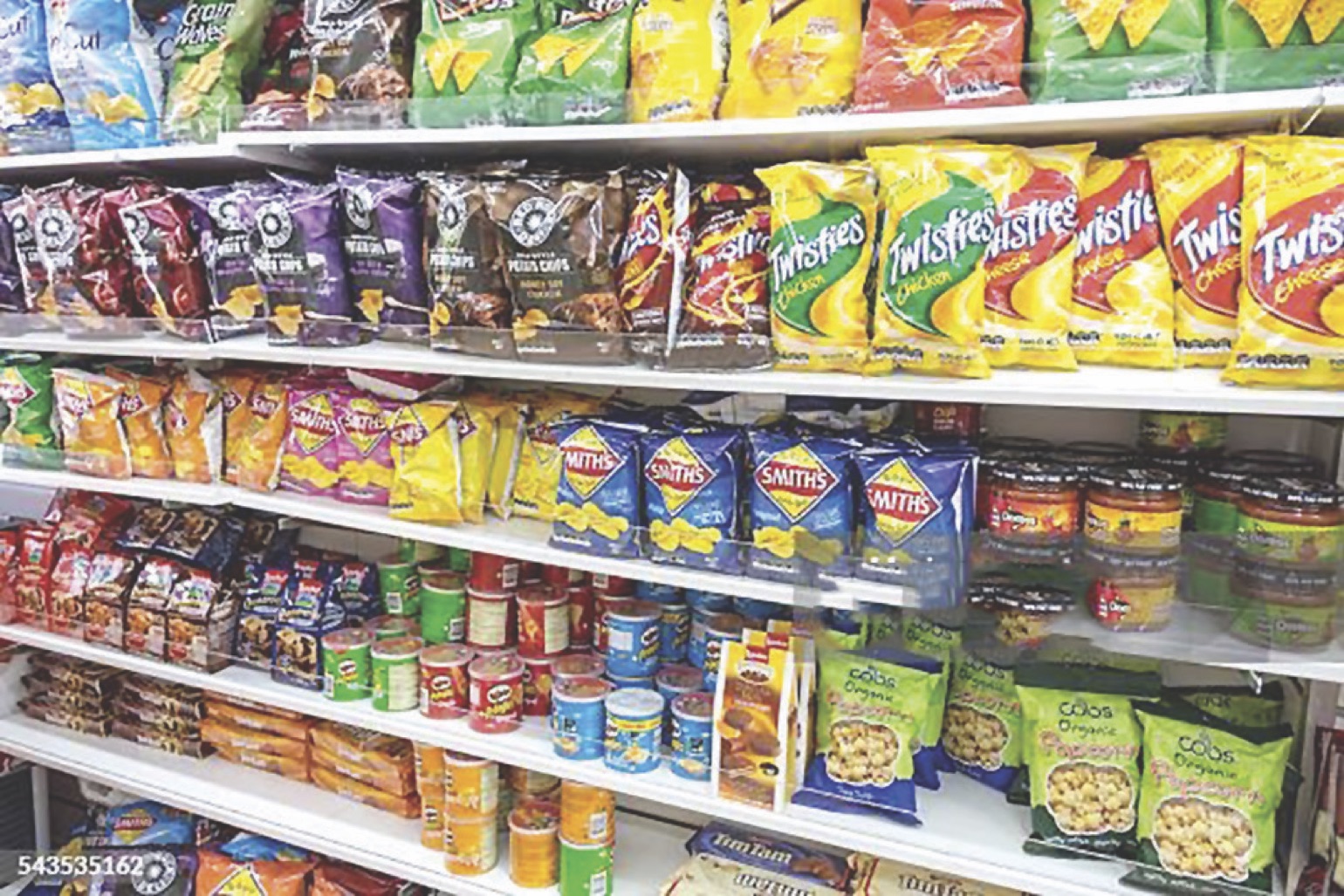
Experts attribute this troubling trend partly to changing dietary habits, as more Nigerians shift from traditional home-cooked meals to convenient, ultra-processed packaged foods.
Statistics paint a worrying picture: approximately 27 percent of Nigerian adults are overweight or obese, while childhood obesity has surpassed 30 percent in some urban centres.
Health professionals warn that these figures could climb further if urgent interventions are not implemented.

Mr. FFemi Stephen, Food Safety Technical Lead at the Federal Ministry of Health and Social Welfare, noted that sodium consumption among Nigerians averages 3.9 grams daily almost double the 2 grams recommended by the World Health Organisation (WHO).

“High consumption of sodium can lead to cardiovascular diseases such as stroke. These conditions often become lifelong issues that cause disability. We want Nigerians to live full, healthy lives, not be limited by preventable illnesses,” Stephen said.
He added that excessive sodium intake is already driving hypertension in about 38 percent of Nigerian adults, describing high blood pressure as a “silent killer” that frequently goes undetected until severe complications occur.
To address the crisis, the federal fovernment is aligning national policies with global best practices on salt reduction.
Joseph referenced the National Multisectoral Action Plan (NMAP) for NCDs 2019–2025, which targets a 30 percent reduction in salt consumption.
The National Policy on Food Safety and Quality and its 2023 implementation plan also prioritise healthy diets by setting mandatory salt targets and promoting front-of-pack labelling based on national data.
Looking ahead, the 2024 National Guideline for Sodium Reduction proposes a phased approach aimed at achieving a 30 percent reduction by 2030.
According to Stephen, regulatory efforts will extend across both the formal food industry and the vast informal food sector to ensure Nigerians consume safer levels of sodium.
Other News
Experts at the training emphasised that empowering consumers with clearer nutritional information could play a critical role in reversing unhealthy dietary patterns.
Bukola Odele, Project Officer for Cardiovascular Health at CAPPA, argued that traditional back-of-pack labels have proven ineffective because they are often too technical for the average consumer.
“Nutrition facts tables are complex and frequently misunderstood. In some cases, they serve more as marketing tools than as genuine guides for healthier choices,” she explained.
Front-of-pack labelling (FOPL), she said, offers a simple visual system that helps consumers quickly identify foods high in salt, sugar or fat regardless of their educational background.
“Nigeria is gradually moving away from traditional whole-food diets toward convenient, pre-packaged, nutrient-poor industrial foods. FOPL is a cost-effective preventive measure that can significantly reduce the long-term economic burden of treating chronic diseases,” Odele added.
Dr. Jerome Mafeni, Technical Advisor at the Network for Health Equity and Development (NHED), highlighted another benefit of front-of-pack labelling: it pressures manufacturers to reformulate products.
“FOPL enables quick, informed consumer choices, addresses low nutrition literacy and reduces information overload.
Most importantly, it can decrease the consumption of unhealthy nutrients while encouraging the food industry to produce safer and healthier products,” Mafeni said.
Earlier, Public Health Consultant Dr. Joseph Ekiyor stressed that many packaged foods fall into the category of ultra-processed products, items heavily altered from their natural state.
“These foods are energy-dense, high in fat, sugar, and salt, yet low in essential minerals and fibre. Their nutritional value is poor, and regular consumption significantly increases the risk of chronic diseases,” he warned.
Health experts say the appeal of packaged foods—long shelf life, aggressive marketing, affordability and convenience—makes them particularly attractive to busy urban populations.
However, the long-term health costs may far outweigh the short-term convenience.
Stakeholders agree that tackling Nigeria’s sodium crisis will require coordinated action from government regulators, food manufacturers, health advocates, and consumers alike.
Beyond policy reforms, experts recommend stronger public education campaigns to help Nigerians understand the dangers of excessive salt consumption and adopt healthier eating habits.
As Nigeria battles the rising tide of non-communicable diseases, reducing sodium intake is increasingly seen not just as a health recommendation but as a national priority, one that could save millions of lives and prevent countless families from the emotional and financial strain of chronic illness.
Without decisive action, experts warn, the country risks a future where preventable diseases place overwhelming pressure on both households and the healthcare system.