Follow Us on Google
The Nutrition 774 Initiative Strategy Board has adopted a domestic financing model as the sustainable basis for nutrition investments in Nigeria, while Vice President Kashim Shettima has urged the remaining states to complete the establishment of subnational nutrition governance structures.
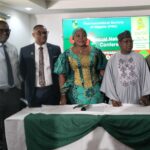
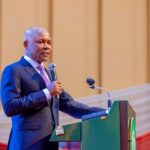
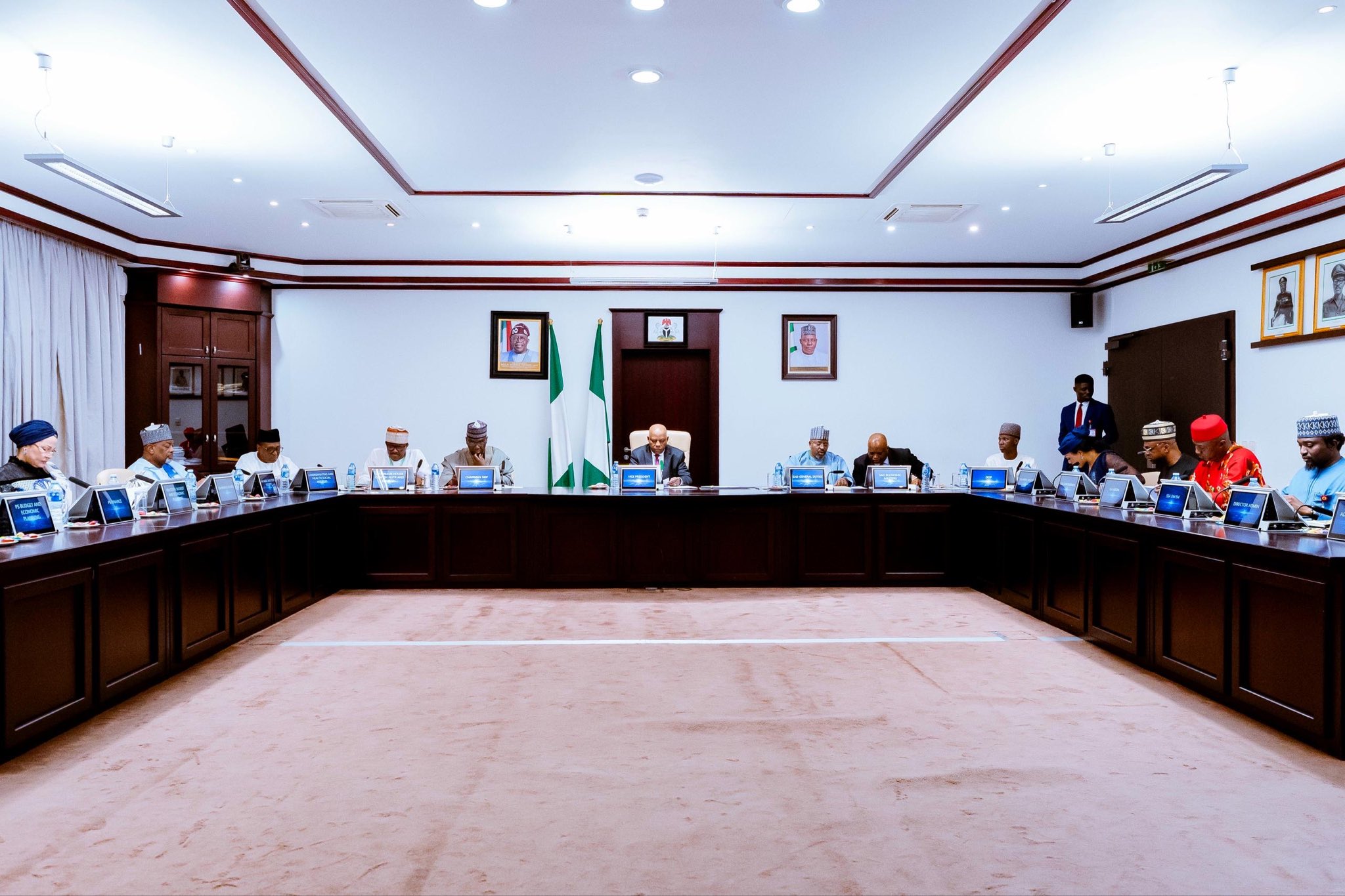
The decision was reached at the board’s second high-level strategic meeting on Wednesday at the Presidential Villa, Abuja, which Shettima chaired, according to a statement issued by his media aide, Stanley Nkwocha.
The board also directed the Federal Ministry of Finance and other partners to begin stakeholder engagement to activate existing financing instruments, including the Presidential Nutrition Intervention Fund (PNIF) and the ring-fenced Sugar-Sweetened Beverage (SSB) levy, as revenue streams for nutrition programmes.
“The domestic financing architecture must be activated now, in this administration, within this governance cycle, and under the accountability of this Board,” Shettima told attendees. “As donor financing for nutrition declines across the world, Nigeria can no longer plan on the assumption of indefinite external support.”
Shettima, who doubles as Chairman of the National Council on Nutrition, urged state governments and the Nigeria Governors’ Forum (NGF) to complete the state-level architecture for the Nutrition 774 (N-774) Initiative — the governance vehicle intended to deliver nutrition outcomes across Nigeria’s 774 local government areas.
“I urge the NGF and the Association of Local Governments of Nigeria to ensure the inauguration of the remaining 26 State Councils on Nutrition and the establishment of Local Government Committees on Food and Nutrition in the remaining 304 LGAs across the country,” he said.
The board noted progress in operationalising the N-774 Initiative but emphasised the need to close a projected financing shortfall. Shettima warned that the ₦500 billion gap “must move from a figure in a presentation to a funded programme on the ground.
Other News
“The first 1,000 days of a child’s life do not wait for memos, circulars, or budget negotiations,” he added. “While we deliberate, children across this country are within a window of growth that cannot be recovered once lost.”
Shettima outlined cross-sector responsibilities for nutrition delivery, saying several ministries hold parts of the solution: Agriculture for food diversity and quality; Finance, Budget and Economic Planning for appropriation and release of funds; Education for behaviour change and ministries responsible for WASH, Women Affairs, Humanitarian Affairs and Social Protection for prevention, resilience and access.
“The legislature must give nutrition the legal backing and enforceability it requires,” he said, urging the board’s secretariat to consult stakeholders in the National Assembly and subnational governments to refine a proposed National Nutrition Bill before formal transmission.
Shettima also called on development partners, civil society and the private sector to align with the N-774 platform. “Civil society must hold up the mirror of truth. The private sector must recognise nutrition as an economic issue, because productivity begins with a healthy body and a capable mind,” he said.
He framed the initiative within the Tinubu administration’s broader priorities. “The Renewed Hope Agenda places human capital development at the centre of Nigeria’s development trajectory, and nutrition is the foundation of that human capital,” Shettima said. “A malnourished child cannot become the engineer who builds our roads, the teacher who shapes our classrooms, the scientist who expands our frontiers, or the leader who carries our national burden.”
The meeting mandated the Federal Ministry of Finance and stakeholders to undertake “robust stakeholder engagement” to operationalise funding instruments and advance the National Nutrition Bill to the National Assembly. The board reiterated that its role is to provide governance and accountability for the N-774 Initiative, ensuring each member of the National Council on Nutrition fulfils defined responsibilities.
Senior officials and ministers at the meeting included the Chairman of the Nigerian Governors’ Forum and Governor of Kwara State, Alhaji AbdulRahman AbdulRazaq; Chairman of the House Committee on Nutrition and Food Security, Chike Okafor; Coordinating Minister of Health and Social Welfare, Ali Pate; Minister of Agriculture and Food Security, Abubakar Kyari; Minister of Women Affairs, Imaan Suleiman-Ibrahim; Minister of State for Budget and Economic Planning, Doris Uzoka-Anite; and permanent secretaries from key ministries. The Ministers of Education and Water Resources attended virtually.