Follow Us on Google

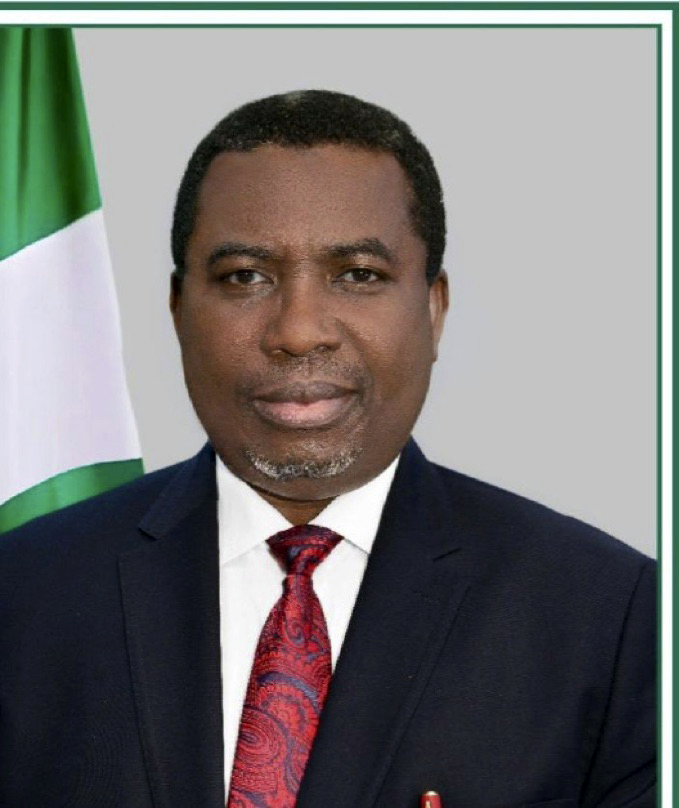
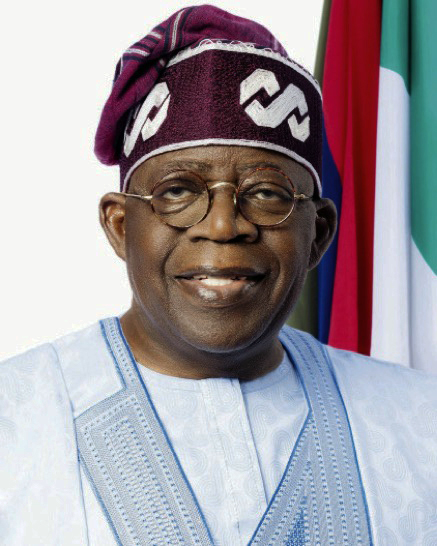
At the inauguration of the Presidential Committee on Fiscal and Tax Reforms in Abuja, recently, President Bola Tinubu urged Nigerians to be prepared to pay more taxes. According to him, the move will curb the excessive reliance on borrowing. The chairman of the committee is Taiwo Oyedele, a tax expert with PricewaterhouseCoopers. Part of his mandate is to achieve 18 per cent Tax-to-GDP ratio within three years. According to the National Bureau of Statistics (NBS), as at 2021, Nigeria’s Tax-to-GDP ratio was 10.86 per cent.
The NBS says it could have been higher but for certain unpredictable economic and fiscal policies of previous administrations. Tax-to-GDP ratio is a measure of a nation’s tax revenue relative to the size of its economy as measured by GDP. It is used to assess the health of a country’s tax system as well as underscore its tax potential. Tax-to-GDP ratio is regarded as the ultimate measure of the effectiveness of a nation’s tax system compared to other countries.
Nonetheless, more taxes at this point in time will further discourage investors. Moreover, Nigeria’s business environment is considered very unfriendly for growth and profitability. Although the aim of the tax increase is to generate more revenue for government, it must not be punitive.
The committee has one year to streamline fiscal governance, tax reforms, and growth facilitation. It also has the responsibility of assisting the government in meeting the high expectations of Nigerians to improve their lives. Enhancing revenue collection efficiency and ensuring transparency reporting, promoting effective utilisation of tax to boost citizens’ tax morale, foster a healthy tax culture and drive voluntary compliance, are other duties given to the committee.
As nice as these objectives appear on paper, lives cannot be better in the face of crushing economic hardships and a sharp decline in disposable income of the people. While we recognise the dwindling revenue of the country, and the need for a different tax models that would work for Nigeria and reduce the amount spent on debt, additional taxes will stifle businesses already saddled with multiple taxation.
There is no doubt that Nigeria is currently facing multiple challenges in areas of ease of tax payment, and Tax-to-GDP ratio, among other fiscal issues. However, transforming Nigeria’s tax system requires a pragmatic approach that will support sustainable development. Without this, achieving a minimum of 18 per cent Tax-to-GDP ratio within three years might not be feasible. At both federal and sub-national levels, tax duplication has been identified as a major contributor to Nigeria’s poor ranking on the world’s Ease of Doing Business Index. According to Oyedele, officially, there are about 60 different taxes in the country and unofficially, about 200 different taxes. For example, at the state level, there are over 20 different taxes and levies. These have become a burden on companies, industries, Micro Small and Medium Enterprises (MSMEs) as well as consumers across the country. At the federal level, the situation is even worse.
According to data from the Manufacturers Association of Nigeria (MAN), duplication of taxes is much more. These include: Corporate Income Tax (CIT) which has been hiked by 30 per cent, Personal Income Tax (24 per cent), Value Added Tax (VAT) or consumption tax, 7.5 per cent from 5 per cent. Others are Education tax, Capital Gains tax, Withholding tax, Industrial Training Fund Tax.
Last year, MAN, Nigeria Employers Consultative Association (NECA) and Nigerian Association of Chambers of Commerce, Industries, Mines and Agriculture (NACCIMA), lamented that the federal government was pushing them out of business through multiple taxes and levies. Recently, the manufacturers said they borrowed a total of N1.8trillion between January and June this year in order to remain in business. These taxes and levies have significant cost implications for businesses. They create uncertainty for business owners and intending investors.
Besides, multiple taxation creates a hostile business environment and reduces Nigeria’s global competitiveness. It is also a great hindrance to economic growth. That Nigeria continues to rank low on the global ease of paying taxes, and our Tax-to-GDP one of the lowest in the world, is primarily due to the inability or collusion of the tax authorities to rein in tax evaders or those that pay very little. That is why Nigeria ease of paying taxes is below the African average.
Therefore, the committee should address the obstacles in the tax system. These include the corruption in the revenue collection agencies, the fragmented complex tax system and high prevalence of tax evasion. Any reform to improve taxation is welcome. At the same time, our taxation system must be progressive. While the rich are taxed more, the poor should be taxed less. Luxury goods should attract heavy taxes. No country develops with multiple taxation.
Reducing government’s binge borrowing is a good idea, but the Tinubu administration must address poor governance before any move for more taxes. Today, most Nigerians will not support the payment of taxes that will not translate to the improvement of their lives. Rising poverty has made life unbearable for most Nigerians.
Altogether, tax payment must not stifle the most vulnerable in the country. So far, government has not been able to set its priorities right. That is the difference between Nigeria’s economy and others that have achieved economic growth through effective taxation.