Follow Us on Google
From Adesuwa Tsan, Abuja
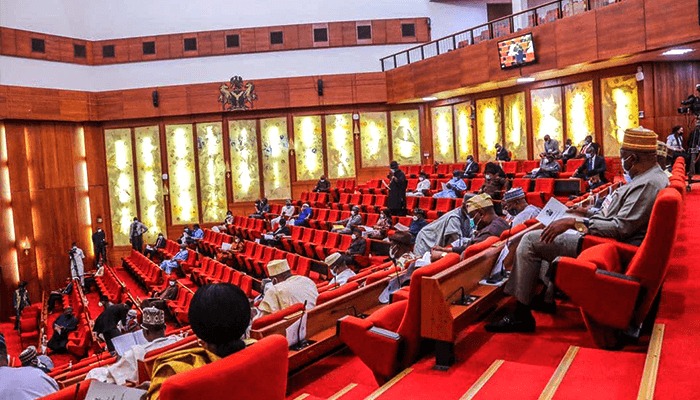
A bill seeking to decriminalise attempted suicide and provide treatment and support for survivors has passed second reading in the Senate.
Sponsored by Asuquo Ekpenyong, the proposal seeks to replace punitive responses with medical assessment, treatment and continuing care, while addressing what the senator described as conflicting provisions in Nigeria’s criminal and mental health laws.
Leading debate, Ekpenyong said the legislation would establish a framework for suicide prevention, crisis response and support for people who survive suicide attempts.
“At the heart of this bill is a simple question. When a Nigerian survives a suicide attempt, should the first response of the state be persecution or protection?”
He said the National Mental Health Act recognised attempted suicide as a psychiatric emergency requiring immediate intervention, while Section 327 of the Criminal Code and Section 231 of the Penal Code continued to expose survivors to criminal punishment. “Our law presently speaks with two voices,” he said.
Ekpenyong warned that criminalisation could discourage people from seeking help, encourage families to conceal incidents and deepen the stigma surrounding mental health conditions. He said it could also undermine reporting and the collection of reliable data for suicide prevention programmes.
“The police station or correctional facility should not be the default destination for a person who requires urgent clinical care,” he said.
The proposed framework would provide coordinated prevention services, crisis response mechanisms, referral pathways and continuing support. It would also promote public education and training for health workers, teachers, law enforcement personnel and emergency responders to recognise warning signs and connect people at risk with appropriate services.
Ekpenyong stressed that decriminalisation must be accompanied by accessible medical and psychological care, institutional support and adequate funding.
Supporting the proposal, Adeyeye Adedayo, who cited his experience practising medicine, said attempted suicide should be treated as a medical emergency. He argued that depression and other mental health conditions could impair judgement, making treatment and recovery essential.
“The best way to treat anybody who did not succumb to a suicide attempt is actually not to criminalise it. They need help.”
He warned that police custody or imprisonment could not adequately address the underlying condition, saying some survivors had subsequently taken their lives while in detention.
Abdul Ningi, representing Bauchi Central, commended Ekpenyong for bringing the issue before the Senate and urged lawmakers to allow the proposal to undergo professional scrutiny and public consultation.
He said psychologists, medical practitioners and other experts should contribute to a national response that recognised mental health conditions and the social pressures confronting individuals.
However, Senate Leader Opeyemi Bamidele raised questions about the proposed amendment’s legal reach, particularly in states operating their own criminal justice laws.
He said some provisions of the Administration of Criminal Justice Act did not automatically apply in every state, depending on the laws adopted by the respective Houses of Assembly, and urged the Senate to establish the extent of the amendment’s application.
Another lawmaker argued that federal legislation would prevail over inconsistent state legislation within the scope of its constitutional authority.
The proposal is expected to undergo further scrutiny at the public hearing stage.