Follow Us on Google
From Jude Chinedu, Enugu
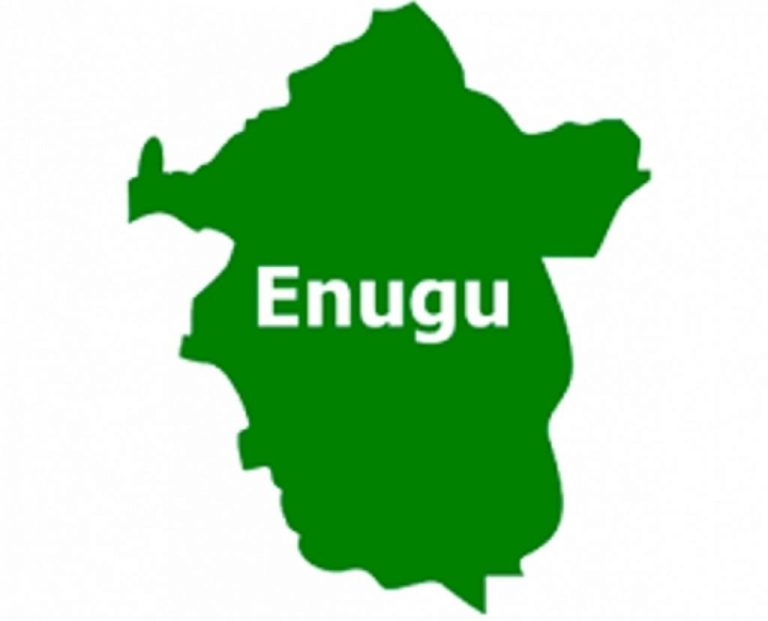
A Senior Advocate of Nigeria (SAN), Anthony Ani, has cautioned against the spread of misinformation capable of fueling communal tension, following a recent court judgment on the status of Ukwuna autonomous community and Ngwo in Enugu North Local Government Area of Enugu State.
Last week, the Enugu State High Court, presided over by Justice Cyprian Ogbu Ajah, declared the creation of the Ukwuna autonomous community null and void.
However, Ani said the judgment has been widely misinterpreted in some quarters, particularly after a national daily published a headline suggesting that Ngwo is not a recognised community in Enugu North LGA.
The suit, marked E/642/2024, was filed by two Ogui-Nike autonomous communities, which challenged the creation of the Ukwuna autonomous community shortly after it was established in 2023.
The plaintiffs argued that the community, allegedly carved out from Enugu-Ngwo, was improperly created, insisting that there is no legally recognised entity known as “Enugu-Ngwo community” in Enugu North LGA.
The creation of Ukwuna took place in the twilight of the last Enugu State administration, prompting stakeholders from the affected communities to approach the court, arguing that Enugu Ngwo historically does not belong to Enugu North LGA.
Controversy intensified after a media report of January 24, 2026 carried the headline: “Court voids ‘Ukwuna,’ confirmed Ngwo as not a community in Enugu North LGA.”
Other News
Ani, who is lead counsel to representatives of Ukwuna autonomous community and represents the second set of defendants in the suit — Chukwuka Anyogu & 4 Others vs Attorney-General of Enugu State & Others — faulted the headline, describing it as a misrepresentation of the court’s position.
He warned that the report had already sparked misleading narratives on social media, with some people claiming that the court declared Ngwo does not exist as a community in Enugu North LGA.
Clarifying the judgment, Ani said Justice Ajah “only addressed issues relating to due process in the creation of the Ukwuna autonomous community and did not rule that Ngwo does not exist as a community or indigenous group.”
He said the court made it clear that the case “was not about land ownership, but strictly about whether due process was followed in the creation of Ukwuna Autonomous Community.” He further explained that the judgment noted that there has never been any autonomous community legally recognised in Enugu North LGA by the name “Enugu Ngwo Autonomous Community.”
“The court also made it clear that Ngwo indigenous groups exist within Enugu North Local Government Area, but were never officially recognised under the specific designation of ‘Enugu Ngwo Autonomous Community,’” Ani stated.
The SAN cautioned against attempts to twist the judgment for political or parochial interests, warning that such actions could inflame tensions among indigenous communities in the area.
He urged those circulating misleading interpretations of the judgment to desist from actions capable of sowing discord, expressing hope that a proper understanding of the court’s decision would help preserve peace and harmony in Enugu North LGA.
The suit, filed through originating summons, focused strictly on whether due process was followed in the creation of Ukwuna autonomous community, and not on the existence or otherwise of Ngwo indigenous groups in the council area.