Follow Us on Google
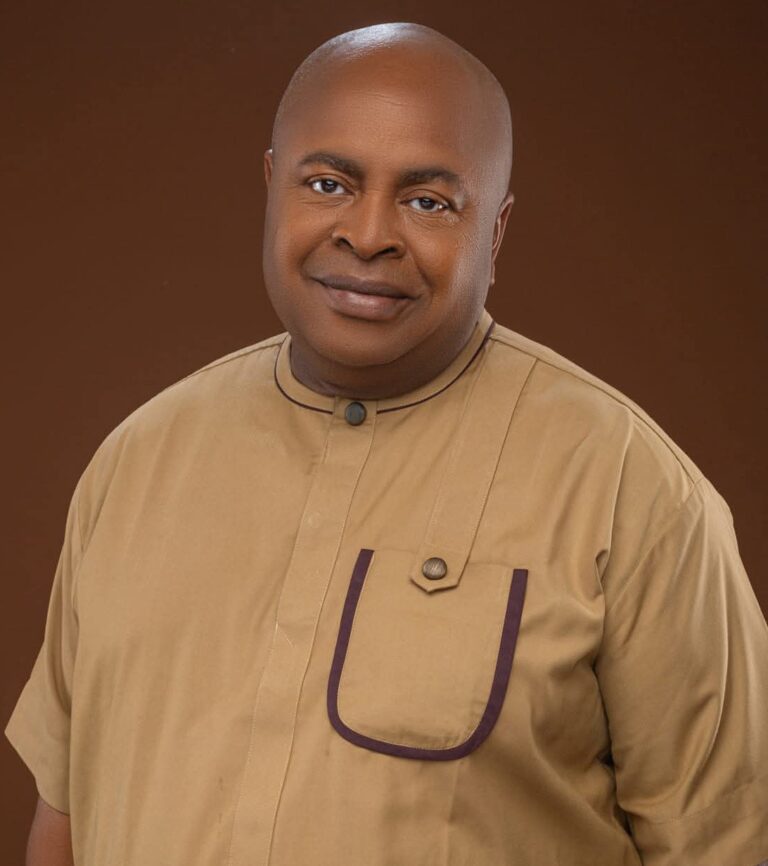
By Ndukwem Ogwo
Retirement is often regarded as the reward for decades of dedicated service. It marks the end of formal employment but not necessarily the end of usefulness or productivity. For many, however, retirement presents a paradox. While it offers freedom from the pressures of work, it also introduces uncertainty, loss of identity, financial anxiety, and questions about purpose. This duality makes engagement after retirement an issue that deserves an ambivalent analysis—one that recognizes both its benefits and its potential drawbacks.
For many retirees, continued engagement is a source of fulfilment. Individuals who remain active through consulting, teaching, mentoring, farming, entrepreneurship, volunteering, or community leadership often enjoy better physical and mental health. Research consistently suggests that purposeful engagement reduces loneliness, slows cognitive decline, and enhances life satisfaction. Retirees possess invaluable knowledge and experience accumulated over decades, and society benefits immensely when these resources are not discarded simply because someone has reached a statutory retirement age.
In countries such as Nigeria, continued engagement after retirement is often driven by economic necessity rather than personal choice. Inflation, inadequate pensions, delayed gratuities, and rising healthcare costs compel many retirees to seek alternative sources of income. For these individuals, retirement is less a period of rest than a continuation of the struggle for survival. This reality raises important questions about the effectiveness of pension systems and the social contract between governments and public servants.
Nevertheless, engagement after retirement is not without challenges. One concern is that prolonged occupation of strategic positions by retirees may limit employment opportunities for younger generations. Where retirees are repeatedly reappointed to public offices, boards, or executive positions, fresh ideas and youthful innovation may be inadvertently suppressed. A healthy society requires both the wisdom of experience and the energy of youth. Maintaining this balance is essential for institutional renewal.
There is also the personal dimension. Some retirees struggle to detach psychologically from their former positions. The prestige, authority, and social recognition associated with office can become deeply embedded in personal identity. As a result, retirement may trigger feelings of emptiness, irrelevance, or depression. In such cases, continued engagement can either become a healthy adjustment or an unhealthy refusal to accept life’s natural transitions. The motivation behind post-retirement engagement therefore matters as much as the engagement itself.
Other News
Family relationships present another ambivalent aspect. Retirement offers opportunities to strengthen family bonds, participate in grandchildren’s upbringing, and reconnect with neglected personal interests. Yet excessive involvement in new ventures may deny retirees the very rest and family time they anticipated throughout their working lives. Conversely, complete inactivity may create boredom, dependency, and declining health.
From an institutional perspective, organisations should view retirement not as the termination of value but as a transition into different forms of contribution. Structured mentoring programmes, part-time advisory roles, and voluntary service can enable retirees to transfer institutional memory while allowing younger professionals to assume leadership responsibilities. Such arrangements preserve continuity without obstructing succession.
Successful retirement therefore requires preparation long before the retirement date. Financial planning, health management, skills development, social networks, and psychological readiness all contribute to a fulfilling post-retirement life. Individuals who cultivate hobbies, acquire entrepreneurial skills, or develop community interests before retirement generally adjust more successfully than those whose entire identity revolves around their careers.
Ultimately, engagement after retirement should neither be romanticised nor discouraged. It should be guided by personal health, financial circumstances, family needs, societal benefit, and the desire for meaningful contribution. Retirement should not signify withdrawal from life, but neither should it become an endless extension of formal employment.
The true measure of retirement is not whether one continues to work, but whether one continues to live purposefully. A society that values its retirees while creating opportunities for younger generations achieves the proper balance between experience and renewal. In this sense, engagement after retirement remains an ambivalent reality—simultaneously a blessing and a challenge, an opportunity and a responsibility. The goal should be not merely to remain busy after retirement, but to remain relevant, fulfilled, and beneficial to both family and society.
• Ogwo, is of Centre for Critical Thinking, Teaching and Learning, Nigerian Defence Academy, Kaduna ([email protected])