Follow Us on Google

By Chinwendu Obienyi
The Federal Government’s revenue shortfall in the first half (H1) of 2026 could heighten borrowing pressures and threaten capital expenditure, as weak oil receipts and subdued non-oil collections continue to constrain public finances.
Nigeria generated N11.9 trillion in revenue in H1 2026, representing a 35 per cent shortfall against the pro-rata budget target of N18.4 trillion.
According to Quest Merchant Bank, this highlights persistent challenges in revenue mobilisation. In its assessment of the latest Budget Implementation Report, the bank said the underperformance was largely driven by weaker-than-expected oil receipts, with the Federal Government’s share of oil revenue amounting to N3.5 trillion, approximately 51 per cent below the budget target of N7 trillion.
The bank attributed the weak oil revenue performance partly to production limitations and the impact of existing crude-backed financing arrangements, which have continued to constrain the government’s ability to maximise oil earnings.
Oil revenue accounted for more than half of the total N6.5 trillion revenue shortfall, underscoring the continued vulnerability of Nigeria’s public finances to developments in the petroleum sector.
Non-oil revenue also remained below expectations, with collections of N3.2 trillion, representing a 28 per cent shortfall against the H1 budget target of N4.4 trillion.
Within the segment, the Federal Government’s share of corporate income tax stood at N1.7 trillion, approximately 31 per cent below budget, accounting for a significant portion of the non-oil revenue underperformance.
Independent revenue collections were another major source of concern, reaching only N1.2 trillion against a target of N2.6 trillion. This raises questions about the capacity of government-owned agencies to meet ambitious revenue projections and contribute meaningfully to government finances.
However, value-added tax (VAT) collections remained broadly in line with the N600 billion budget benchmark, providing some support to non-oil revenue mobilisation during the period.
Quest Merchant Bank noted that some revenue streams performed relatively well. Development levies marginally exceeded their N950 billion target, while receipts from government-owned enterprises met expectations at N2.5 trillion, offering some cushion against weaker collections elsewhere.
Despite these positive contributions, the bank warned that the revenue shortfall leaves the government facing difficult fiscal choices, particularly as it seeks to meet expenditure commitments amid constrained revenue inflows.
Achieving the full-year budget target would require a significant improvement in revenue collections during the second half of 2026, particularly from oil-related sources.
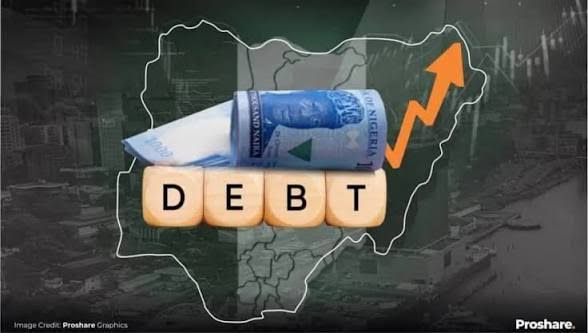
The bank’s assessment suggests that sustained revenue weakness could increase the government’s reliance on domestic and external borrowing to finance its fiscal obligations, potentially adding to debt-servicing pressures and the cost of government financing.
It could also force adjustments to expenditure plans, with capital spending likely to remain particularly vulnerable as the government prioritises essential obligations.
For investors, the revenue shortfall presents potential upside risks to domestic borrowing requirements, interest costs and broader fiscal pressures, while raising concerns about the pace of government-funded infrastructure development.
The latest outturn reinforces the structural challenge facing Nigeria’s public finances: the need to strengthen revenue mobilisation, improve oil production and deepen non-oil revenue generation to reduce the government’s dependence on borrowing and support sustainable fiscal expansion.