Follow Us on Google
From Abdulrazaq Mungadi
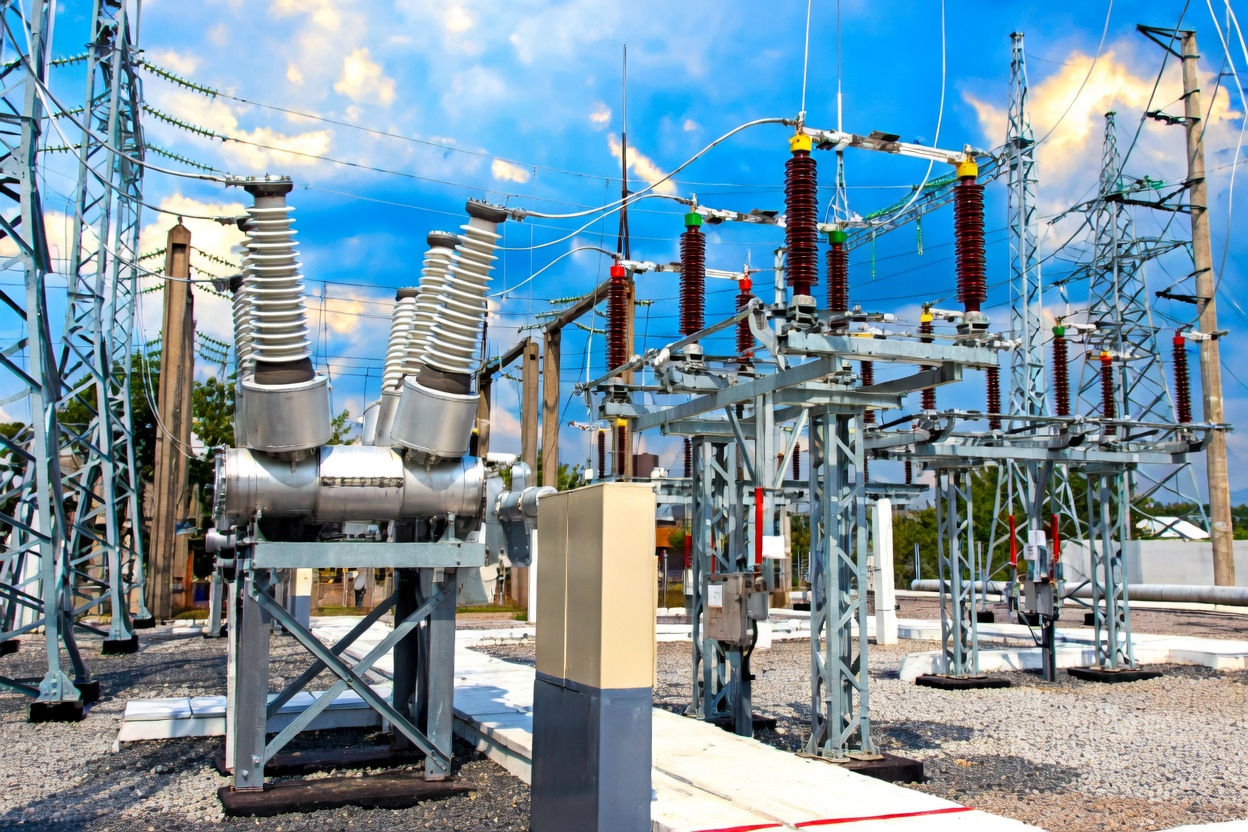
The House of Representatives Ad-hoc Committee on the Power Sector has raised concerns over the underperformance of Nigeria’s electricity industry, revealing that only about 45 per cent of the country’s installed generation capacity is currently being utilised.
The committee made this known during an oversight visit to the 40-megawatt Dadinkowa Hydropower Plant in Gombe State, operated by Mabon Limited, as part of efforts to assess operational efficiency and identify gaps across the power value chain.
The chairman of the committee described the visit as an eye-opener, citing key challenges including contractual bottlenecks, inadequate water supply for turbine operations, and unpaid debts estimated at over ₦20 billion within the electricity market.
Lawmakers also engaged officials of Jos Electricity Distribution Company (JEDCO) and Yola Electricity Distribution Company (YEDC), where the Federal Government holds a 40 per cent stake, over concerns about service delivery.
They queried the slow rollout of the National Mass Metering Programme (NMMP) and the continued reliance on estimated billing, which they said has eroded consumer confidence in the sector.
Other News
The Dadinkowa Hydropower Plant, which began commercial operations in 2021, has generated over 700 million kilowatt-hours of electricity, contributing to grid stability in the North-East.
Speaking during the visit, the Chief Operating Officer of Mabon Limited, Umar Shehu Hashidu, said the company is committed to delivering affordable and sustainable energy through renewable sources.
He said the plant supports economic growth, including industrial activities around the Muhammadu Buhari Industrial Park, while also contributing to social development in host communities and maintaining environmental standards.
“Our mission is to provide safe, reliable and sustainable energy solutions, leveraging our expertise in generation and transmission,” he said.
Hashidu added that the company’s operations are guided by core values of teamwork, integrity, diversity, excellence, and sustainability.
The committee said its assessment would continue across the sector, with a view to recommending reforms to improve electricity supply nationwide.