Follow Us on Google
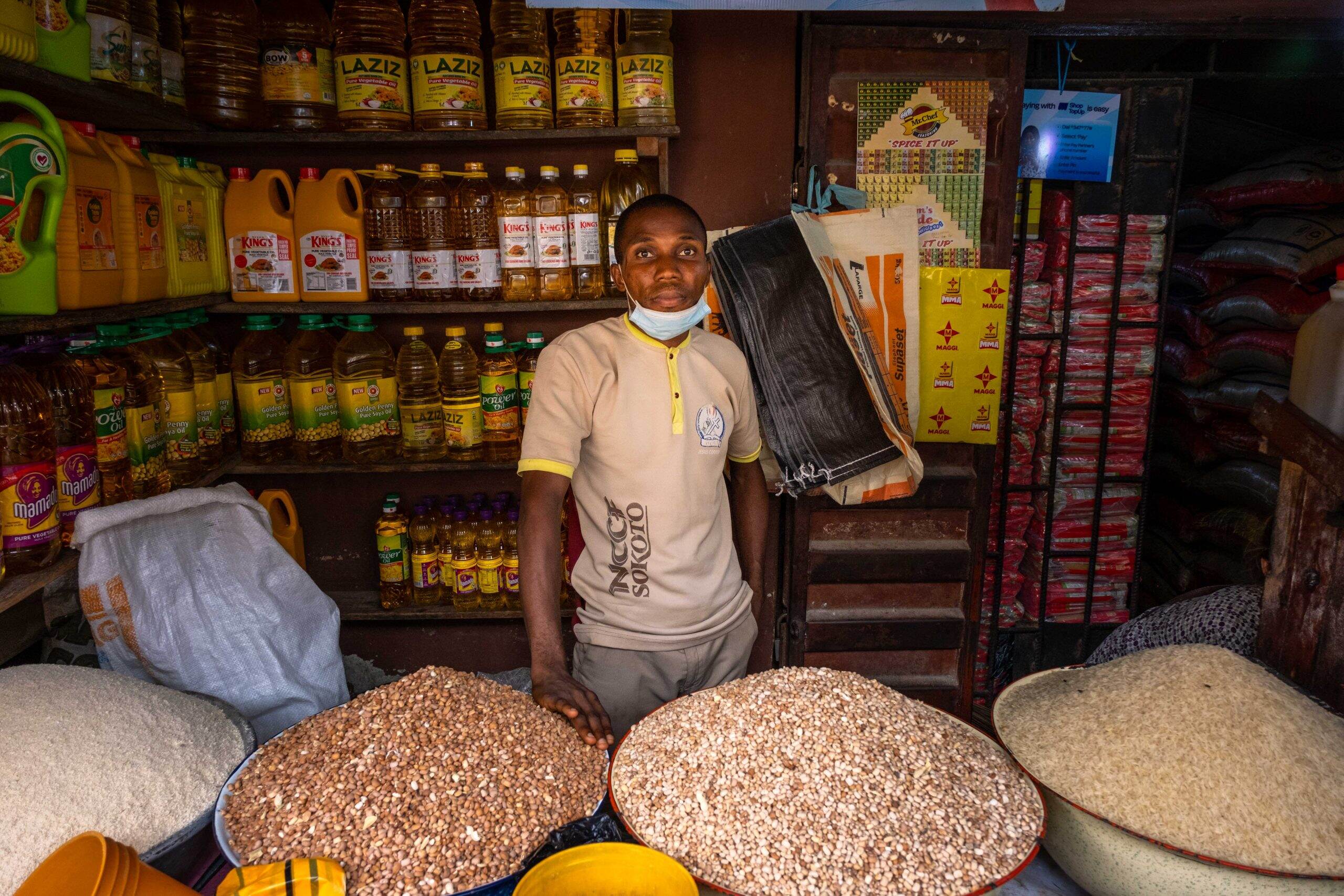
The Federal Government has been challenged to regulate prices of foodstuffs and other household commodities to ameliorate sufferings of Nigerians.
In separate interviews, they said the recent increases in fuel prices had further pushed food prices out of reach of many households.
Mr Chris Mlebedim said increase in the pump price of fuel to N617.00 per litre was unnecessary and a further step to impoverish the people.
“He just came on board and without proper economic planning, he is increasing the price of fuel and consequent price hikes is causing much pain on the people. And while looking at solutions to the problems, he is talking of sharing N8, 000 to few Nigerian households and increasing salaries.
“These cannot solve the problem of poverty these increases are now causing; he should seek the help of economists to save the situation including reducing food prices”, Mlebedim said.
Speaking in the same vein, Mrs Chinyere Okonkwo, a housewife, said that it was becoming very hard for her and her husband to feed their family of five twice daily.
She said that they have decided to take their children to public schools next session because life had now become unbearable as their joint incomes could no longer meet their needs.
Also, Mr Obere Nkemakolam said that the government should be merciful on the poor and suffering Nigerians in order not to risk a rise in deaths and suicides.
“If nothing is done to ease people’s hardships, I bet that death rates will rise in Nigeria because many will die of heart-attack, hunger and diseases”, he said.
Meanwhile, some stakeholders in agriculture called for effective implementation of the policy plan on achieving food security.
The stakeholders, who praised declaration of a state of emergency on food security by the Federal Government, said the right people must drive the policy while interventions should target real farmers.
Co-founder of Corporate Farmers International, Mr Akin Alabi, said it was pertinent that the right people should drive the policy for the attainment of food security.
“The state of emergency on food security by the government is a good one, but again, it is good that the presidency appoints an adviser to drive the process.
“A good adviser is needed to drive the implementation and proper execution of the 12-item plan for the state of emergency on food security. Over the years, different governments have rolled out policy plans on ensuring food security but they often failed.
“This is because there has not been a proper execution or implementation process in driving these policies,” Alabi said.
He said that manpower to run the policy should have been announced to facilitate achievement of food security. A greenhouse farmer and agriculture consultant, Mr Chuba Chukwuka, also said effective implementation of the policy was vital.
“In the implementation of the state of emergency on agriculture, the government must ensure that the interventions get to the real farmers and not political farmers.”
“There have been policies like this before, they came to take our data and promised to get back to us but, at the end, we still bought the interventions from the market.
“The issue is: How will the government make the interventions get to the farmers to make the state of emergency effective?
“We must teach farmers how to preserve their produce and how to access funds to run their farms,” Chukwuka said.