Follow Us on Google
• 30 banks cleared as experts urge strong post-consolidation competition
By Chinwendu Obienyi
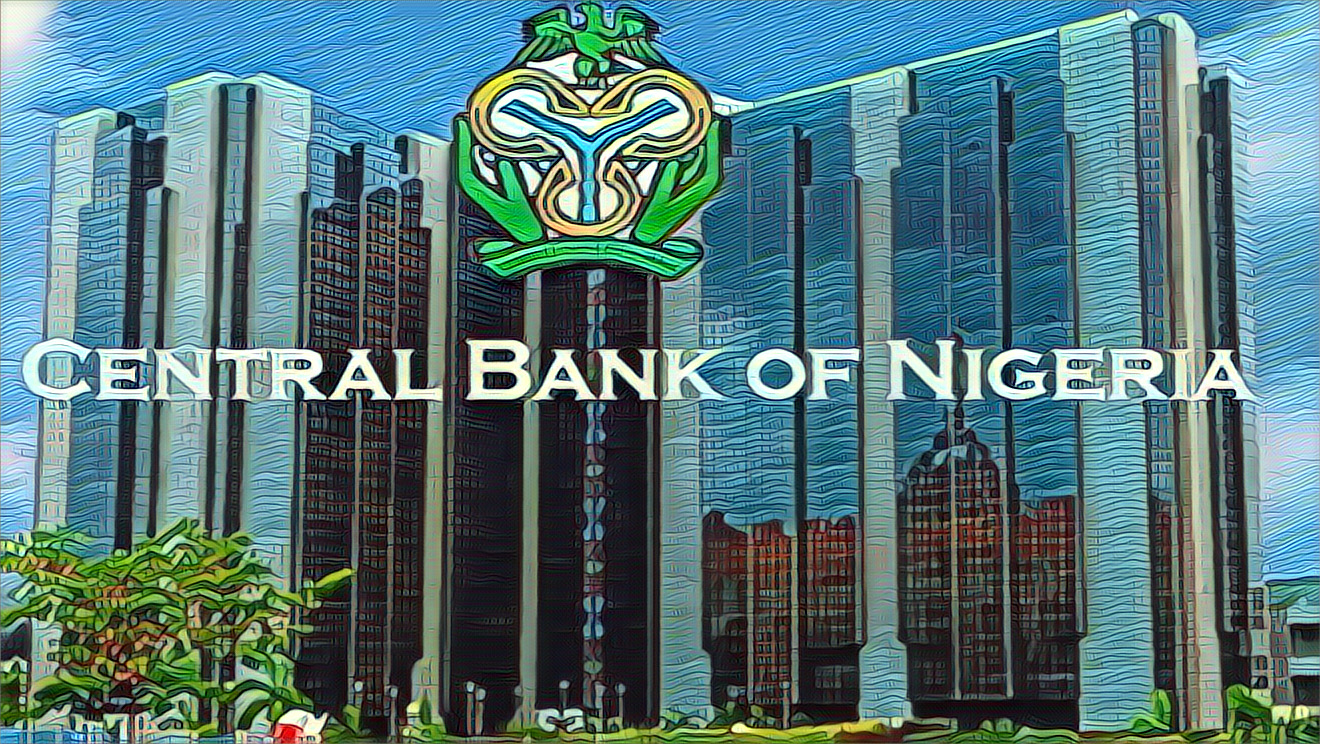
With barely a week to the Central Bank of Nigeria recapitalisation deadline, findings by Daily Sun show the compliance race has hit a tense final stretch, as weaker banks scramble for last-minute approvals or regulatory relief.
Industry data indicate that 30 banks have successfully met the new minimum capital thresholds across the various licensing categories, reflecting a strong response to the apex bank’s directive.
However, at least three banks are still awaiting final verification from the CBN, even as two others may receive regulatory forbearance following appeals to the regulator owing to certain legal and structural considerations.
The recapitalisation exercise, covering commercial, merchant and non-interest banks, has triggered a surge in capital market activities, including rights issues, public offers, private placements, and strategic mergers.
While tier-1 lenders leveraged strong investor confidence to raise hundreds of billions of naira with relative ease, mid-tier and smaller banks have faced more significant hurdles, particularly in attracting sufficient investor interest in a tight liquidity environment.
As at the time of writing, Access Bank, Zenith Bank, GT Bank, UBA, First Bank have all met the apex bank’s requirements. Also, mid-lenders like Fidelity Bank, FCMB, Stanbic IBTC, Sterling Bank, Wema Bank, Citibank Nigeria, Standard Chartered Nigeria have met the CBN’s requirements.
Other institutions, including Globus Bank, Premium Trust Bank, Optimus Bank and Titan Trust Bank, have met the requirement, most notably Titan Trust Bank’s ongoing combination with Union Bank of Nigeria.
Notably, the exercise has already recorded at least one major consolidation move, with Providus Bank entering into a merger arrangement with Unity Bank, a development widely seen as a signal of more combinations to come as weaker players seek survival.
The rest include; Signature Bank, Parallex Bank, SunTrust Bank, FSDH Merchant Bank, Greenwich Merchant Bank, Nova Merchant Bank, Rand Merchant Bank and Coronation Merchant Bank. Others are Jaiz Bank, Lotus Bank, TAJ Bank and the Alternative Bank.
Other News
However, notably absent from the compliance list are Keystone Bank and Polaris Bank. Following a change in ownership, Keystone Bank became fully owned by the Federal Government via the dissolution of Sigma Golf Nigeria Limited amid an alleged N20 billion fraudulent diversion case prosecuted by the Economic and Financial Crimes Commission (EFCC). As for Polaris Bank, there are unconfirmed reports indicating that the bank is still working to secure capital with discussions surrounding potential merger or foreign investor take-over to meet the recapitalisation target.
CBN Governor, Olayemi Cardoso, indicated that such institutions may receive “special consideration,” noting that regulatory intervention and legal complexities have affected their recapitalisation timelines.
According to him, it would be unrealistic to expect such institutions to follow the same recapitalisation path as others that have had the full implementation window since the policy was announced over two years ago.
“The CBN remains actively engaged with all relevant stakeholders to ensure a structured, credible and orderly resolution process, while safeguarding overall financial system stability.
“Also, depositors’ funds in the affected institutions remain secure, with operations under strict regulatory and supervisory oversight by the apex bank”, Cardoso stated.
Commenting on development, experts warned that several banks that technically meet the capital threshold may still struggle with profitability, asset quality and governance challenges in the post-recapitalisation era.
“The real story is not just about how many banks have met the requirement, but how many can remain competitive afterwards. “We are likely to see more mergers, acquisitions, and even license downgrades in the months ahead”, they said
For the CBN, the recapitalisation exercise is aimed at building a more resilient banking sector capable of supporting Nigeria’s ambition of achieving a $1 trillion economy.
However, for operators, it has become a high-stakes survival test that is reshaping the structure of the industry.
As the deadline draws closer, stakeholders expect a final wave of approvals, strategic deals, and possibly regulatory interventions that will determine which institutions emerge stronger and which are forced into consolidation.