Follow Us on Google
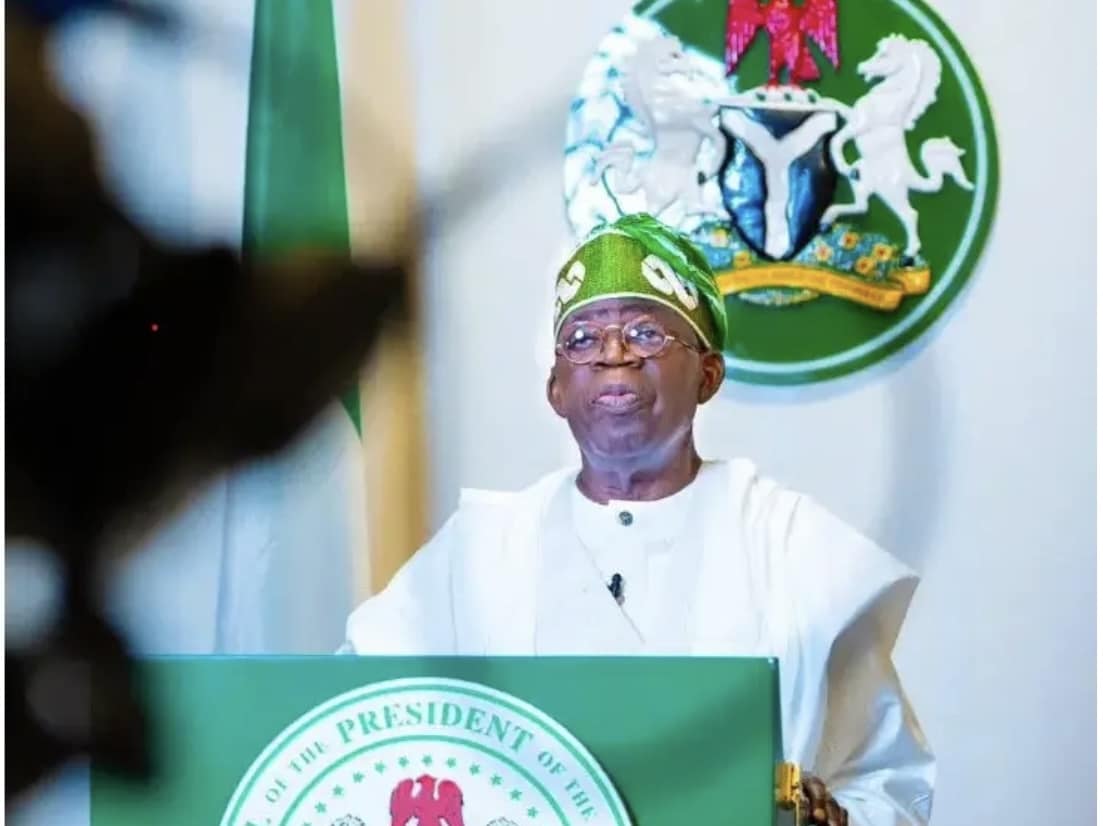
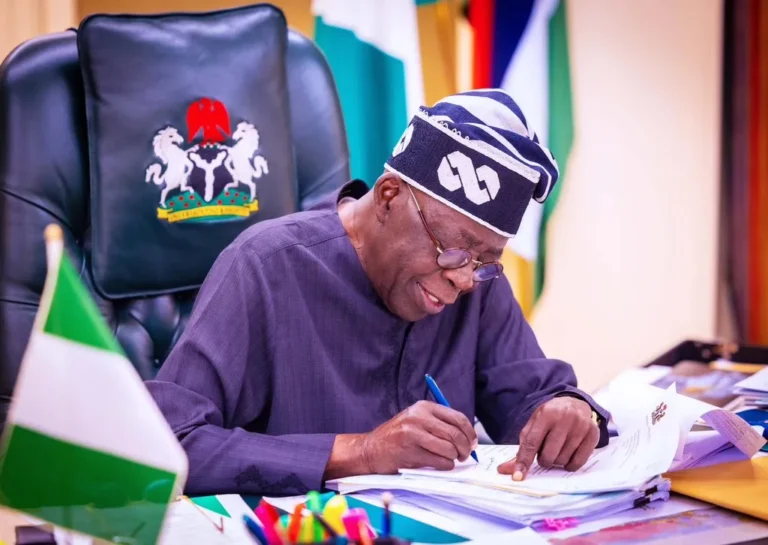
The Presidency has rejected The Economist’s claim that Nigerians dislike President Bola Tinubu but may still re-elect him in 2027, describing the assessment as “lazy analysis” and “intellectual fraud”.
The Special Adviser to the President on Media and Public Communications, Sunday Dare, said the report “smells of opposition and is riddled with inconsistencies”.
Dare said, “It has become a tired, predictable ritual of external commentary, most notably from the comfortable, insulated drawing rooms of foreign publications, to look at the complex, dynamic, and pulsating canvas of the Federal Republic of Nigeria through a cracked, distorted lens. In their rush to paint a picture of impending doom, structural paralysis, and widespread citizen despair, these overseas observers routinely traffic in sensationalist half-truths.”
He added, “They love to peddle the lazy, hollow fiction that ‘Nigerians hate President Bola Ahmed Tinubu,’ packaging localised administrative growing pains into neat, uniform narratives of national rejection. This is not merely analytical laziness; it is an intellectual fraud.”
According to Dare, the assessment ignored what he described as the administration’s efforts to rebuild the country since May 2023.
He said, “President Tinubu did not inherit a functioning, well-oiled state; he inherited a broken economic ecosystem on the precipice of total sovereign bankruptcy.”
Defending the administration’s reforms, Dare said the fuel subsidy regime had been “an unsustainable fiscal death trap that siphoned trillions away from public infrastructure, education, and healthcare into private pockets”.
He argued that ending the subsidy and reforming the foreign exchange market had helped redirect resources and improve investor confidence.
He said, “To suggest that these structural cancers could be excised overnight without transitional pain is economically illiterate.
“Yet, rather than kicking the can down the road like his predecessors, President Tinubu summoned the political courage to confront these structural contradictions head-on.”
Dare also cited NELFUND, local government financial autonomy, the higher minimum wage, CNG buses, fertiliser distribution, agro-loans and farming equipment as evidence of the administration’s reforms.
He said, “The notion that millions of Nigerians harbour blind hatred for President Tinubu collapses when you meet everyday reality.
“Walk into the lecture halls of federal and state universities, and you will find students and relieved parents whose educational dreams have been rescued by NELFUND.”
Dare added, “Speak with public servants whose take-home monthly pay has been elevated by progressive wage reforms.
“Speak with local government chairmen and community leaders who finally have the financial independence to execute localised projects. Engage farmers witnessing targeted interventions.”
The Presidency’s response followed The Economist’s October 1 report, which said Tinubu could retain power despite public dissatisfaction, citing incumbency, ruling-party machinery, opposition fragmentation, religion and voter turnout as factors that could shape the 2027 election.