Follow Us on Google
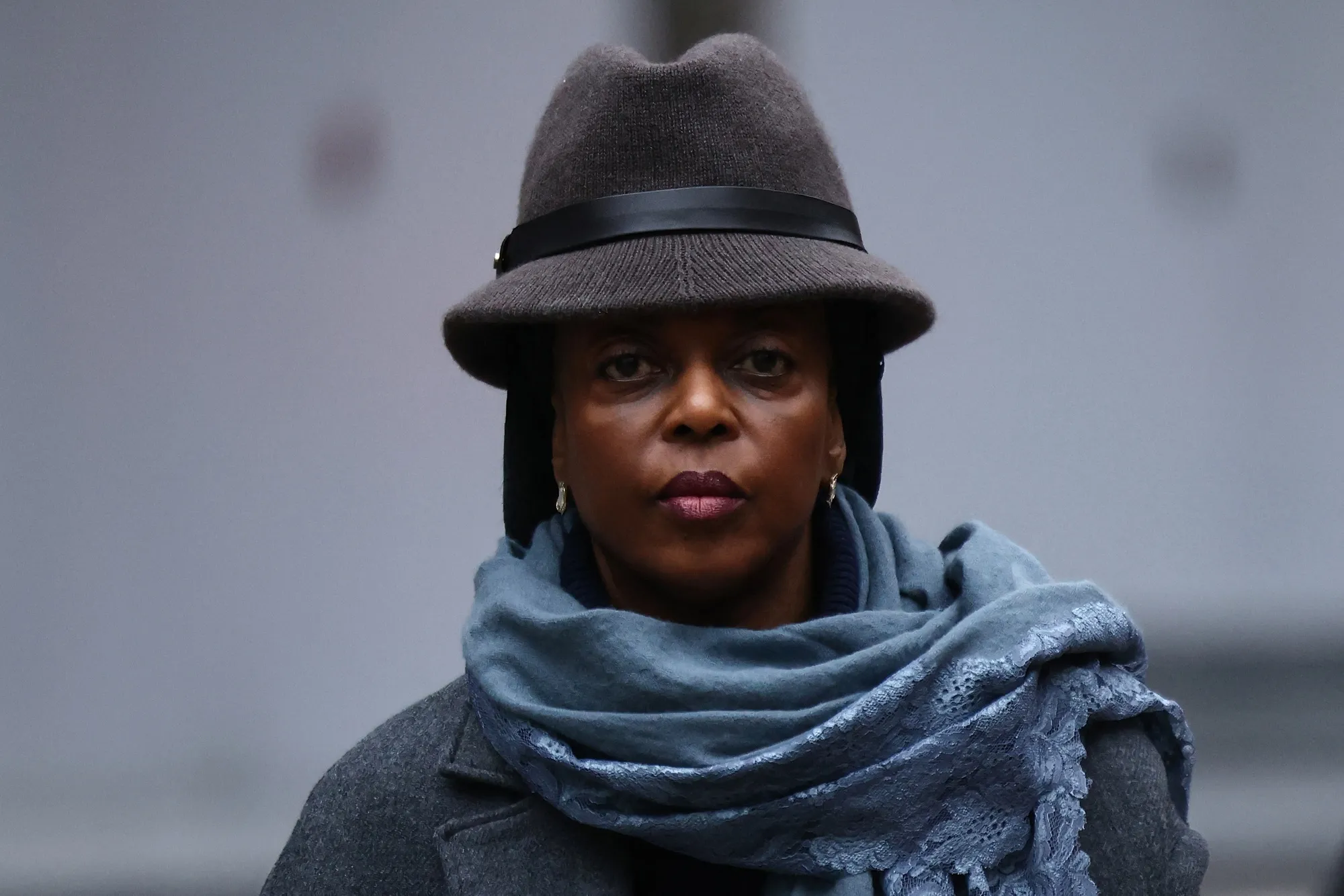
The Economic and Financial Crimes Commission (EFCC), has urged the Federal High Court in Abuja to disregard the acquittal of former Petroleum Resources Minister, Diezani Alison-Madueke, by a United Kingdom court, arguing that the judgment has no bearing on the ongoing Nigerian case over assets linked to her.
The commission made the submission in a further counter-affidavit filed against Diezani’s application to tender the June 17 judgment of the Southwark Crown Court in London, where she was discharged and acquitted of bribery allegations.
Diezani had sought to introduce the UK judgment as a subsequent development in her suit challenging the forfeiture and proposed sale of properties and personal effects she says affect her proprietary rights.
However, the EFCC argued that the UK proceedings were separate from the Nigerian case and had no bearing on the issues before Justice Inyang Ekwo.
The commission stated: “The proceedings before the Southwark Crown Court, London, United Kingdom, and the purported acquittal of the applicant therein, are in respect of a proceeding that is not being prosecuted before any Nigerian court and have nothing to do with the substantive suit before this honourable court.”
The EFCC further argued that the forfeiture orders underpinning the disposal of the assets remained valid and had not been set aside.
It maintained that the properties were disposed of pursuant to final forfeiture orders made by the Federal High Court, including orders issued by Justice C.A. Obiozor on July 9, 2019, and Justice I.N. Oweibo on September 10, 2019.
The commission also said notices had been published in newspapers inviting interested parties to show cause why the assets should not be forfeited before the final orders were made.
“The final forfeiture orders pursuant to which the sale of the properties was conducted are still in force and have not been set aside. The forfeited properties were disposed of in accordance with due process of law,” the EFCC stated.
The anti-graft agency also disputed the scope of Diezani’s claims, arguing that the relevant forfeiture order cited in its counter-affidavit related exclusively to jewellery and did not extend to other categories of assets or properties.
Diezani, through her counsel, Prof Mike Ozekhome, SAN, is asking the court to consider her UK acquittal in determining her challenge to the forfeiture proceedings.
She argued that the acquittal was a material development because it occurred after she filed her earlier court processes and was relevant to issues including the absence of a conviction, fair hearing, due process and the legality of depriving her of property.
Her legal team maintained that she was not asking the Nigerian court to overturn or sit on appeal over the UK judgment, but wanted the court to consider it as a subsequent fact in deciding the case.
Diezani has also argued that she was never convicted of any unlawful activity in Nigeria to justify the forfeiture of her properties and that some of the orders were obtained through misrepresentation, suppression and non-disclosure of material facts.
She further claimed that she had been outside Nigeria since 2015 for medical treatment and was not served with relevant court processes, while maintaining that some of the forfeiture orders were made without giving her an opportunity to be heard.
The former minister is also challenging the EFCC’s proposed sale of assets while related cases remain pending, insisting that the commission should retrieve properties allegedly sold to third parties.
The EFCC, however, maintained that criminal proceedings had been instituted against Diezani in Nigerian courts following investigations into her activities while she served as a public official.
Justice Ekwo has adjourned the case until November 11 for hearing of the pending applications, leaving the court to determine whether Diezani’s UK acquittal should be admitted and considered in the Nigerian asset-forfeiture dispute.