Follow Us on Google

-
Pushes for NLNG model in refinery management
-
Advocates expansion of tax waiver wage bracket
From Adanna Nnamani, Abuja
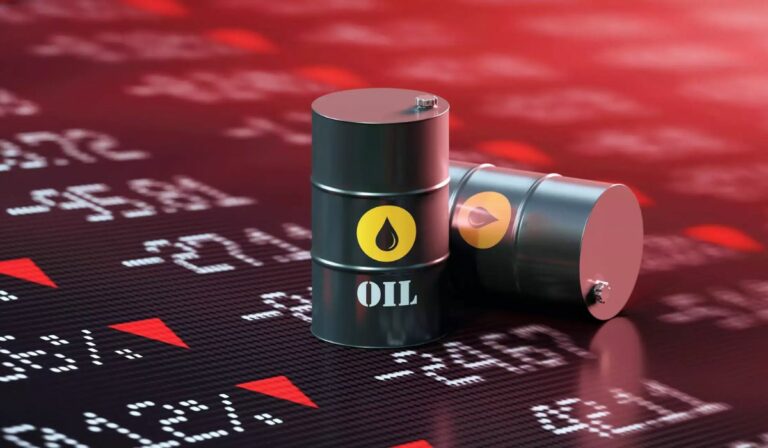
The Petroleum and Natural Gas Senior Staff Association of Nigeria (PENGASSAN) has confirmed that the Port Harcourt Refinery has officially resumed production.
This follows the recent statement from the Nigerian National Petroleum Company Limited (NNPCL), which claimed that the rehabilitation of the refinery had been successfully completed and production had started, a claim that had met with some scepticism regarding its feasibility.
Reacting to the controversy during its National Executive Council (NEC) meeting in Abuja on Tuesday, PENGASSAN president, Festus Osifo, affirmed the commencement of operations at the facility, noting that its rehabilitation was made possible through stringent financial oversight and the active involvement of unions in the project’s management.
Osifo explained that past attempts to refurbish the refinery often yielded little progress, but the establishment of a steering committee—including representatives from PENGASSAN and NUPENG—ensured transparency and accountability.
“We have to put a level of push to be sure that what is happening with the Port Harcourt Refinery is actually the reality. So, we do checks with our members that are there. And the confirmation as of today is that the refinery is working,” Osifo said. He added that the facility is producing products such as diesel (AGO), kerosene (DPK), and petrol (PMS) through its distillation unit.
While celebrating the refinery’s progress, the labour leader acknowledged that maintenance is ongoing, with some units yet to be fully operational.
He also noted that although the refinery’s functionality is a significant milestone, the impact on fuel prices remains limited due to the devaluation of the naira.
Other News
“With the exchange rate at about ₦1,700 to $1, the cost of goods, including petroleum products, is bound to remain high,” he said, attributing the surge in prices to currency weakness rather than domestic production challenges.
Osifo also reiterated PENGASSAN’s call for adopting the Nigeria Liquefied Natural Gas (NLNG) ownership model for managing the nation’s refineries. Under this model, he explained that private entities would hold a majority stake, ensuring efficiency and profitability, while the government retains a minority share to safeguard national interests.
“The NLNG model has proven successful, delivering consistent dividends and operational excellence,” Osifo stated. He urged the government to involve reputable international oil companies with expertise in refinery management, rather than political allies, to achieve similar results for the nation’s refineries.
Osifo assured members that no jobs have been lost due to ongoing reforms and divestments in the oil and gas sector. However, he criticised the influx of expatriates in roles that could be handled by Nigerians, citing instances where menial jobs were outsourced to foreign workers.
“So, arising from this NEC meeting, we are going to resolve that we will do everything possible to hold those responsible to account,” he said, urging government agencies like the Ministry of Interior to enforce stricter regulations.
PENGASSAN also addressed issues surrounding Nigeria’s proposed tax reforms. While commending provisions for tax relief for low-income earners and small businesses, Osifo argued that the current threshold of ₦800,000 per annum is insufficient. He called for an increase in the tax-exempt income bracket to accommodate more Nigerians.
Regarding minimum wage implementation, PENGASSAN expressed solidarity with the Trade Union Congress (TUC) in pressuring non-compliant states to fully implement agreed wage levels.