Follow Us on Google
By Doris Obinna
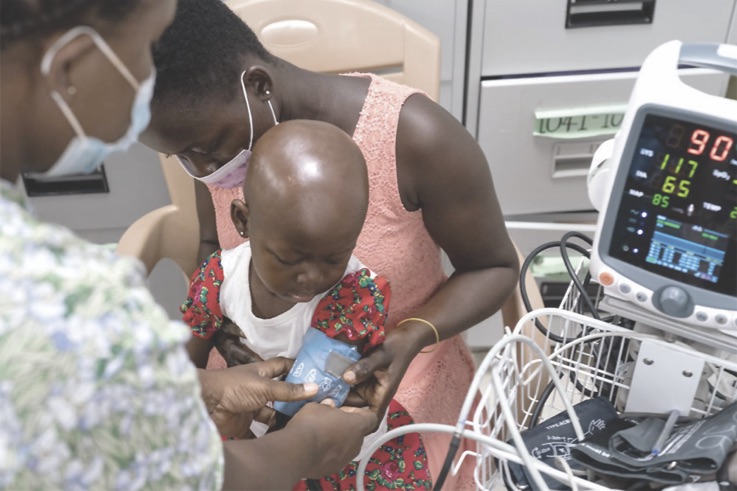
On September 17, Africa joined the global community in observing World Patient Safety Day 2025, with this year’s spotlight firmly on protecting newborns and children from preventable harm in health facilities.
Marking the occasion, Regional Director for Africa, World Health Organisation (WHO), Dr Mohamed Janabi, in his message called on governments, health professionals, and communities to make safety a core commitment in every aspect of care.
This year’s theme, “Safe care for every newborn and every child,” with the slogan “Patient safety from the start!,” placing a spotlight on the youngest and most vulnerable patients, Janabi stressed that the responsibility to ensure safe care begins from the earliest moments of life.
He noting that poor-quality care rather than lack of access is responsible for an estimated 60 percent of maternal deaths and 56 percent of neonatal deaths in low- and middle-income countries. “These are lives we can and must save,” he said.
The Regional Director highlighted ongoing progress, pointing out that 21 African countries are already implementing National Quality Policies and Strategies, which include patient safety action plans and interventions such as infection prevention and control. WHO standards endorsed by Member States are also contributing to better quality care for mothers, newborns, children, and infants in intensive care units.
Yet, despite these advances, Janabi emphasised that more must be done to ensure safe, high-quality, and people-centred care for every patient across the region. He drew attention to the Global Patient Safety Action Plan 2021–2030, which calls for safer clinical processes, stronger workforce competencies, greater patient and family engagement, and learning systems that prevent harm. “Remarkably, the plan also extends to patient safety education for school-aged children, enabling them to advocate for their own health and well-being.”
To accelerate progress, WHO in the African Region urged governments to raise awareness of risks in newborn and paediatric care, mobilize collective action across health sectors and civil society, empower parents and caregivers through education, and invest in research and innovation to strengthen the evidence base for safer care.
“The vision of the Global Patient Safety Action Plan is a world in which no patient is harmed in health care, and everyone receives safe care, every time, everywhere,” Janabi reaffirmed. He called for unity in protecting children from preventable harm, stressing that stronger systems and empowered families will lead to healthier beginnings and more hopeful futures for children across Africa.
On World Patient Safety Day 2025, the message from WHO was clear: patient safety is not just a policy goal but a moral duty that must guide every interaction in health care. By placing safety at the heart of care, the region can take decisive steps toward ensuring that no child is left vulnerable to preventable harm.