Follow Us on Google
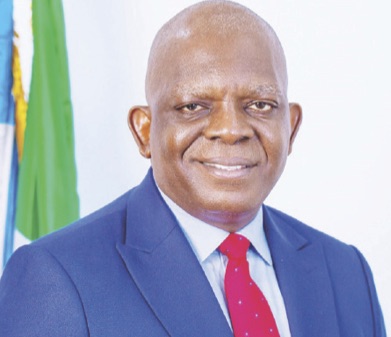
By Steve Agbota
The Executive Secretary/CEO of the Nigerian Shippers Council (NSC), Dr. Pius Ukeyima Akutah, has said that incessant detention orders by the Nigerian Police Force (NPF) are disrupting cargo dwell time at the nation’s ports.
The Shippers Council boss also lamented that the situation is increasing demurrage/storage charges payable by consignees, ultimately leading to higher costs of doing business at Nigerian ports.
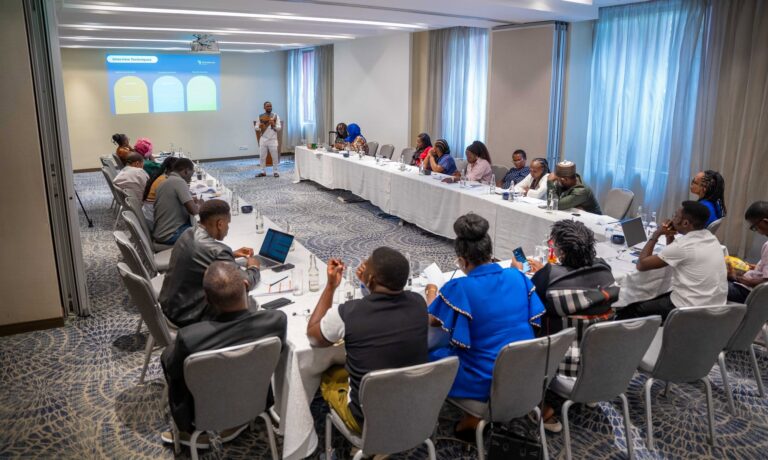
Akutah, who stated this in Lagos during a workshop themed: “Facilitating Port Efficiency: The Strategic Role of Maritime Police,” lamented that while it takes only six hours to clear a containerised cargo in Singapore port and seven days in Lome port, it takes an average of 21 days or more to clear a containerised cargo in Nigerian ports.
The Shippers Council Chief Executive Officer, who was represented by the Council’s Director, Regulatory Services Department, Mrs. Margaret Ogbonnah, said the theme of the workshop reflects the desires of both NSC and the Nigeria Police to build the capacity of police officers for better understanding and administration of their statutory roles in the maritime environment.
However, he said that Nigerian seaports have constantly been reputed as some of the ports with the longest cargo dwell time in the world.
“Several efforts by the Government to reduce cargo dwell time at our ports have not yielded desired results due to a number of factors, the worst of which is the human factor. However, as the Economic Regulator of the Ports, NSC has the responsibility of ensuring that efficiency is established in the ports in order to attract patronage.
“Pursuant to its regulatory mandate, the NSC has been collaborating with several agencies to ensure the facilitation of trade and ease of movement of cargo outside the ports to avoid congestion.
“However, several reports that were brought to the attention of NSC by stakeholders pointed to incessant interference in the cargo clearance processes, placement of detention orders on duly cleared cargoes, thereby barring their exit from the port terminals, and intimidation of personnel of shipping line agencies and terminals.
The officers usually claimed they were acting on intelligence reports,” he explained.
He said these interferences often disrupt cargo dwell time, increase demurrage/storage charges payable by consignees, and ultimately lead to higher costs of doing business in Nigerian ports.
He added that the Council had on several occasions carried out investigations on the matter. At least to ascertain the veracity of these claims, it was in most cases confirmed that these practices are carried out by various police formations without the knowledge of the AIG.
“This development, therefore, led to robust engagement by the Council with the IG of Police to put a stop to these practices and to ensure adherence to process in matters of container detention and other port-related issues.
“As a result, the AIG, Maritime Police Command, notified key stakeholders via a letter dated 11th December 2018 to communicate the decision to collectively streamline the plethora of letters being issued by various unauthorized persons on behalf of the Police,” he added.
He also directed all key stakeholders to disregard any correspondence without the signature of the AIG or officers nominated by him.
“Together, we have achieved quite a lot, although we cannot rest on past achievements because some of these infractions still occur either deliberately or due to ignorance on the part of the officers involved. Thus, our main focus has to be firmly on attaining international best practices,” he said.
In his presentation, the Assistant Inspector-General of Police, Maritime Police Command, Chinedu Oko, who was represented by the Deputy Commissioner of Police, Chukwuemeka Obasi, stated that the Maritime Police serve as the security interface between maritime operations, law enforcement, and national security.
“The Marine and Blue Economy emphasizes digitalization, transparency, and operational harmony among port actors. To align with these reforms, the Maritime Police are restructuring operations around three key pillars.
On operational streamlining, he said, reducing duplication of enforcement functions by harmonizing roles with agencies such as NPA, NIMASA, and Customs.
Speaking on technology integration, he added that leveraging digital tools for surveillance, cargo monitoring, and intelligence sharing under initiatives like the Deep Blue Project, while strengthening partnerships through joint task forces, port security committees, and coordinated responses to incidents.
“These measures ensure that police activities complement, rather than complicate, port operations. Despite progress, the Maritime Police continue to face challenges that affect port efficiency.
“Multiplicity of Agencies: Overlapping functions often lead to confusion and conflict in enforcement. Inadequate Logistics: Limited patrol boats, communication systems, and surveillance tools constrain operational response,” he said.
On legal bottlenecks, he said weak prosecution of maritime offenders and limited understanding of admiralty-related offences impede deterrence.
Corruption and Unethical Practices: Unregulated checkpoints and extortion within port corridors tarnish the image of law enforcement and delay cargo flow.
He said addressing these issues requires stronger institutional coordination and accountability frameworks.
S