Follow Us on Google

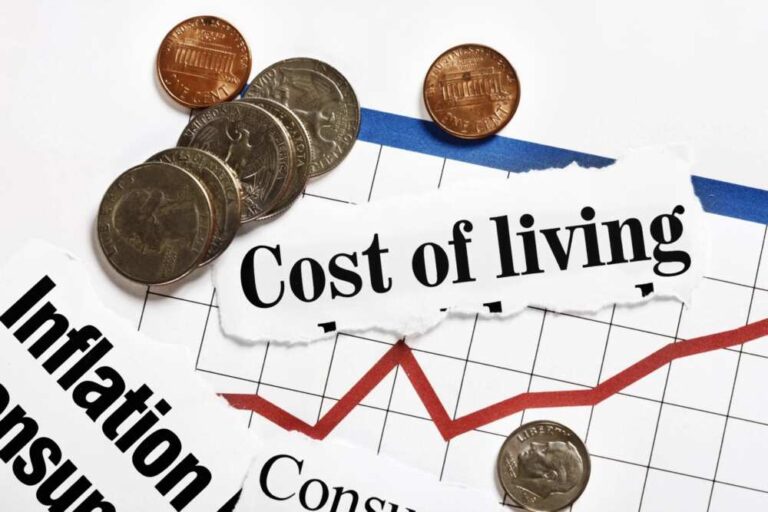
This year’s Workers’ Day will go down in history as one of the most disheartening for Nigerian workers. While disposable income of average Nigerian has gone down drastically, prices of most commodities in the market have gone up by over 200 per cent. At the inception of this administration in 2015, a 50 kg bag of rice cost about N10, 000. Today, the same commodity goes for an average price of about N40, 000. It is the same thing for other staples. At N30, 000 per month, the minimum wage is nothing to write home about. Regrettably, some states are yet to pay the wage, four years after it was signed into law by President Muhammdu Buhari.
When the minimum wage was being negotiated, the price of petrol was about N97 a litre. Today, it hovers between N185 and N210 a litre. In some places, it is even up to N250 or more per litre. This is why this year’s May Day, otherwise called International Workers’ Day or Workers’ Day, will be a day of reflection on the plight of Nigerian workers. Though it is a day set aside to celebrate workers across the world, most Nigerian workers have little or nothing to celebrate.
Due to the harsh economic realities in the country, a number of companies are struggling to cope. Some of them often resort to downsizing of the workforce to remain afloat. The COVID-19 pandemic, which took millions of lives and disrupted the economy of many countries in 2020, had worsened the situation as many companies folded up. The aviation and hospitality industries were mostly affected. Many workers were laid off. The worst is that rising inflation and unemployment, low wages, poor value of the naira, comatose health and education sectors as well as high rate of insecurity have enveloped the country. In all these, workers are the worst hit.
Some of the workers are casual or contract staff. They work for long hours under stressful conditions but still earn less. Due to the fact that they are casual workers, certain welfare packages usually given to the main staff are not extended to them. We condemn the casualisation of labour and urge organisations to stop the practice. No doubt, a worker deserves his pay. It is most unconscionable for political office-holders and other politicians in the corridors of power to continue to live large on the common wealth of the country while workers continue to live in penury. It will not take much for the government in power to map out enhancing welfare package for workers.
The present government had proposed a 40 per cent pay rise for civil servants to cushion the effects of the planned fuel subsidy removal. Media reports last month indicated that the government had started implementing the pay rise arrears. But, the President of the Association of Senior Civil Servants of Nigeria (ASCSN), Dr. Tommy Okon, debunked the pay rise reports, saying the Federal Government did not approve any pay rise for civil servants. He said what the government did was to ensure the harmonisation of what agencies earned in the core civil service. The issue of pay rise, he added, would come up in 2024. Even if it is implemented, the 40 per cent pay rise will make no impact on the condition of workers, considering the high inflation in the country.
It is pathetic that certain rights of Nigerian workers, specified by the International Labour Organisation (ILO) and some other organisations Nigeria is signatory to, have been trampled upon in some instances. Over the past few years, the power of the Nigerian Labour Congress (NLC) has been whittled down. It has not really fought for the interests of workers as it happened under labour leaders like the late Chief Michael Imoudu, Wahab Goodluck, Hassan Sunmonu, Paschal Bafyau and Adams Oshiomhole.
Nevertheless, the NLC has a new leadership now. Expectations are high that both the incoming government and the new leadership of the workers will tackle the plight of Nigerian workers to the best of their abilities. The NLC should engage the government meaningfully and ensure that the Nigerian worker is given the respect he deserves. Government at all levels should learn to cut the cost of governance and focus on the real issues that engender development. State governments that cannot pay salaries should not embark on profligate spending of the little resources at their disposal. Sadly, some of these state governments pay huge pension entitlements to ex-governors who currently serve as ministers or senators.
Let them use the opportunity of the May Day to take stock and come up with measures to ameliorate the plight of workers. The incoming government made a lot of promises when it was campaigning for votes. Later this month, the new government will be inaugurated. It should be ready to fulfill the promises made to workers. A new minimum wage for all categories of workers will be first on the agenda. We congratulate the Nigerian workers and urge them to remain resolute in fighting for their rights.