Follow Us on Google
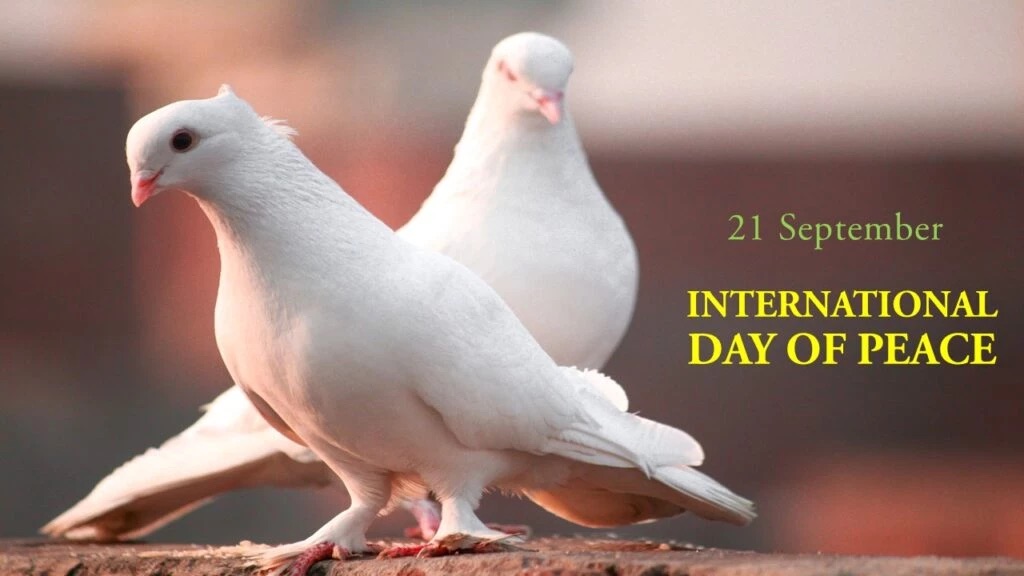
The International Day of Peace, which is being marked today, September 21, offers the world another opportunity to reflect on the meaning of peace. There is more to peace than the mere absence of war. There is, therefore, an urgent need to build inclusive societies in which everyone can live with dignity, security and hope.
This year’s theme, “Invest in Peace: For Everyone, Everywhere, Every Day,” is timely. Conflicts continue to devastate communities across the world. From the Middle East to parts of Africa, millions of people are grappling with the consequences of violence, displacement, hunger and destruction. The international community must therefore intensify diplomatic and political efforts to bring wars to an end. It must create conditions for sustainable peace and inclusiveness.
This year’s ‘Peace Day’ anniversary is a reminder that building peace requires deliberate investment in people, dialogue, inclusion and development.
The United Nations Secretary-General, António Guterres, has urged world leaders to leverage diplomacy, dialogue, and negotiation in order to achieve global peace. They must listen and redouble their efforts to achieve inclusivity and peace across the world.
But while the global community is making efforts to scale back violence and achieve peace, Nigeria must also confront its own challenges.
Terrorism, banditry, kidnapping, communal violence, farmer-herder conflicts, and separatist agitation remain threats to peace. These challenges must be overcome because they disrupt education and undermine investment. They also deepen poverty and displace families.
That is why the efforts by some Nigerian organisations to place peacebuilding at the centre of national discourse are commendable.
The Institute for Peace and Conflict Resolution, for one, has called on the National Assembly to strengthen legislation promoting social cohesion and conflict-sensitive governance. It has, among other things, also urged security agencies to deepen non-kinetic and community-centred approaches to conflict resolution.
This is an important intervention. Security agencies have a duty to protect citizens and confront armed groups, but lasting peace also requires addressing the grievances, exclusion, poverty, injustice and social tensions that allow conflicts to persist.
The legislature has a responsibility to provide an effective legal framework for social cohesion, mediation and reconciliation.
Government at all levels should prioritise peacebuilding. The initiative involving the National Council of Women Societies and the West Africa Action Network on Small Arms (WAANSA) Nigeria is equally significant. The two organisations have pledged to collaborate on promoting peace and preventing violence ahead of the 2027 elections. Their concerns include small arms proliferation, border insecurity, violent extremism and the misuse of dual-use fertilisers in the production of improvised explosive devices.
Other News
These concerns deserve serious attention. Elections must not become occasions for the mobilisation of violence. Political parties, candidates, security agencies, traditional and religious leaders and citizens all have responsibilities in ensuring that disagreements do not degenerate into violence. Arms must not be allowed to circulate freely and illegally in society.
The commitment by NCWS to mobilise women as peace ambassadors and advocates for dialogue and coexistence is praiseworthy. Government should use this year’s International Day of Peace to launch initiatives that make peacebuilding a permanent feature of national development. Peace education should be established in schools and communities. Communities affected by violence should receive support. Traditional, religious and community leaders should mediate local disputes before they escalate.
Government must lay the foundations for peace ahead of the 2027 elections. Hate speech, incitement, political intimidation and the circulation of weapons must be confronted decisively.
The government should also use dialogue to engage groups and communities with legitimate grievances. Where there are agitations, there should be genuine negotiations. Durable peace should be sustained by trust and justice, not imposed through force. Poverty, conflict and official negligence are among factors keeping about 18.5 million Nigerian children out of school.
Every child denied education represents not only a personal tragedy but a missed opportunity for national development. Government must tackle those challenges that keep millions of its children out of school.
Hunger and extreme poverty must be significantly reduced. People who struggle to secure food, shelter, education and healthcare are more vulnerable to exploitation and criminality.
Good governance is indispensable. Citizens need institutions they can trust. Public services must work while leaders must be accountable. Pervasive corruption and bad governance erode citizens’ trust.
The UN’s 2026 Peace Day message itself links peace with investment in health, education, nutrition, social protection, human rights and trustworthy institutions. Peace is a foundation for development.
The National Assembly should strengthen peace legislation. Security agencies should deepen non-kinetic and community-centred conflict resolution. Political actors should commit themselves to peaceful competition.
Civil society and community organisations should continue their peacebuilding work. And government should engage agitating groups through meaningful dialogue wherever possible.
Peace must be built deliberately and inclusively. Nigeria must invest in peace for everyone, everywhere and every day. Without peace, there can be no enduring development.