Follow Us on Google

The recent Senate decision to halt the processing of bills seeking the establishment of new universities and other tertiary institutions, in line with the Federal Government’s six-year moratorium on establishing new institutions, is quite in order. It must be obeyed by the lawmakers and other concerned stakeholders in the education sector.
The directive will stem the brazen rush by lawmakers to process bills to establish federal universities, polytechnics and colleges of education in their constituencies without considering the need and viability of such tertiary institutions when the existing ones are starved of funds, staff, infrastructure and equipment. The undue politicisation of universities and other tertiary institutions in the country must be urgently jettisoned.
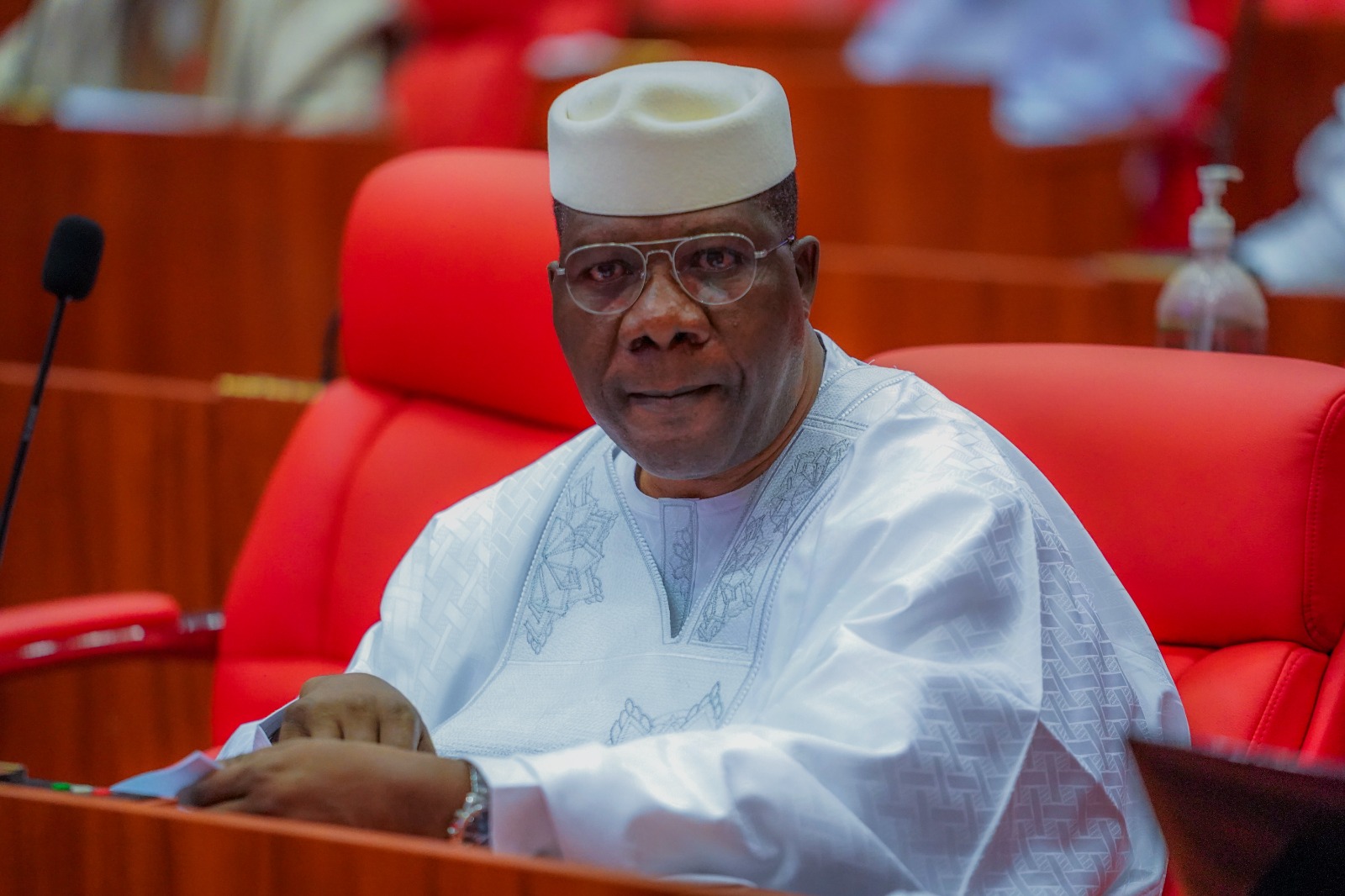
According to the Senate Leader, Opeyemi Bamidele, who announced the directive during plenary on Wednesday, the directive affects the Committees on Tertiary Institutions and the Tertiary Education Trust Fund (TETFund). The senator, representing APC, Ekiti Central, also urged the lawmakers to respect the government’s position on the matter.
“The policy was necessary to allow existing universities and other tertiary institutions to consolidate their operations and improve infrastructure before additional institutions were considered,” Bamidele stated. The Senate leader also observed that lawmakers sometimes found it difficult to reject request from colleagues seeking legislative support for the establishment of universities and other tertiary institutions.
Consequently, the Clerk of the Senate, Dr. Emmanuel Odo, has been directed to guide lawmakers on the policy, considering that some of them might be unaware of the Federal Government’s position. At the same time, the education committees have been enjoined to desist from presenting bills that seek the establishment of new institutions during plenary.
Similarly, the Senate President Godswill Akpabio hinted that President Bola Tinubu had discussed the matter with the leadership of the National Assembly, stressing that the President was opposed to the establishment of new universities, polytechnics and other tertiary institutions for the next five to seven years. The Senate President further explained that the moratorium would give existing institutions enough time to develop their infrastructure and commence effective academic programmes.
Akpabio expressed worry that many universities established recently exist only on paper, as some are yet to secure permanent sites. He also noted that “establishing a university is a serious national responsibility and should not be treated with the same simplicity as establishing primary schools.”
Other News
Available statistics show that Nigeria has a total of 338 universities regulated by the National Universities Commission (NUC). The breakdown by ownership as follows: Private universities, 182 (55.5 per cent); State universities, 69 (21.0 per cent) and Federal universities, 77 (23.5 per cent). In the same vein, Nigeria has a total of 205 polytechnics, according to data from the National Board for Technical Education (NBTE). The breakdown by ownership shows as follows: Federal Polytechnics, 41; State Polytechnics, 59 and Private Polytechnics, 105.
Also, there are 205 accredited colleges of education and NCE-awarding institutions in Nigeria. The breakdown by ownership indicates as follows: Federal Colleges of Education, 27; States Colleges of Education, 54 and Private Colleges of Education, 82. This sector is regulated and monitored nationally by the National Commission for Colleges of Education (NCCE) and the Federal Ministry of Education.
The regional distribution of universities shows that the South-West has the highest with 93 universities (19 federal, 15 State, 59 Private); North-Central: 64 universities (14 Federal, 13 State, 37 Private); South-South: 49 universities, (9 Federal, 13 State, 27 Private); North-West: 42 universities (16 Federal, 9 State, 17 Private); South-East: 42 universities (8 Federal, 11 State, 23 Private); North-East: 20 universities (8 Federal, 7 State, 5 Private).
Regional distribution of polytechnics shows that the South-West came first with the highest concentration of both public and private polytechnics in the country. The North-Central zone/Abuja (FCT) came second, while the South-East zone came third with many Federal and State polytechnics and some private ones. The South-South came fourth followed by North-West and North-East zones.
Regional distribution of colleges of education across the six geo-political zones shows a distinct concentration in the Southern and North-eastern regions. Like in others, the South-West has the highest concentration at approximately 21.69 per cent of colleges of education. The North-East came second in the share of colleges of education at approximately 20.48 per cent. It was followed by the South-South, which accounted for approximately 15.66 per cent of the distribution. The North-Central came fourth with 14.46 per cent and the South-East recorded the lowest share of colleges of education with 13.25 per cent.
Arising from the above and coupled with the fact that some of these institutions are yet to be fully developed, the rush to establish new universities, polytechnics and colleges of education is unnecessary and unacceptable. It does not in any way serve the best interest of higher education or that of the nation.
There is urgent need to ensure that existing tertiary institutions are adequately equipped, staffed and funded. Admissions into some of these tertiary institutions are not fully subscribed. It is sad that many of them can be regarded as glorified secondary schools. We call for a change of this ugly narrative.