Follow Us on Google
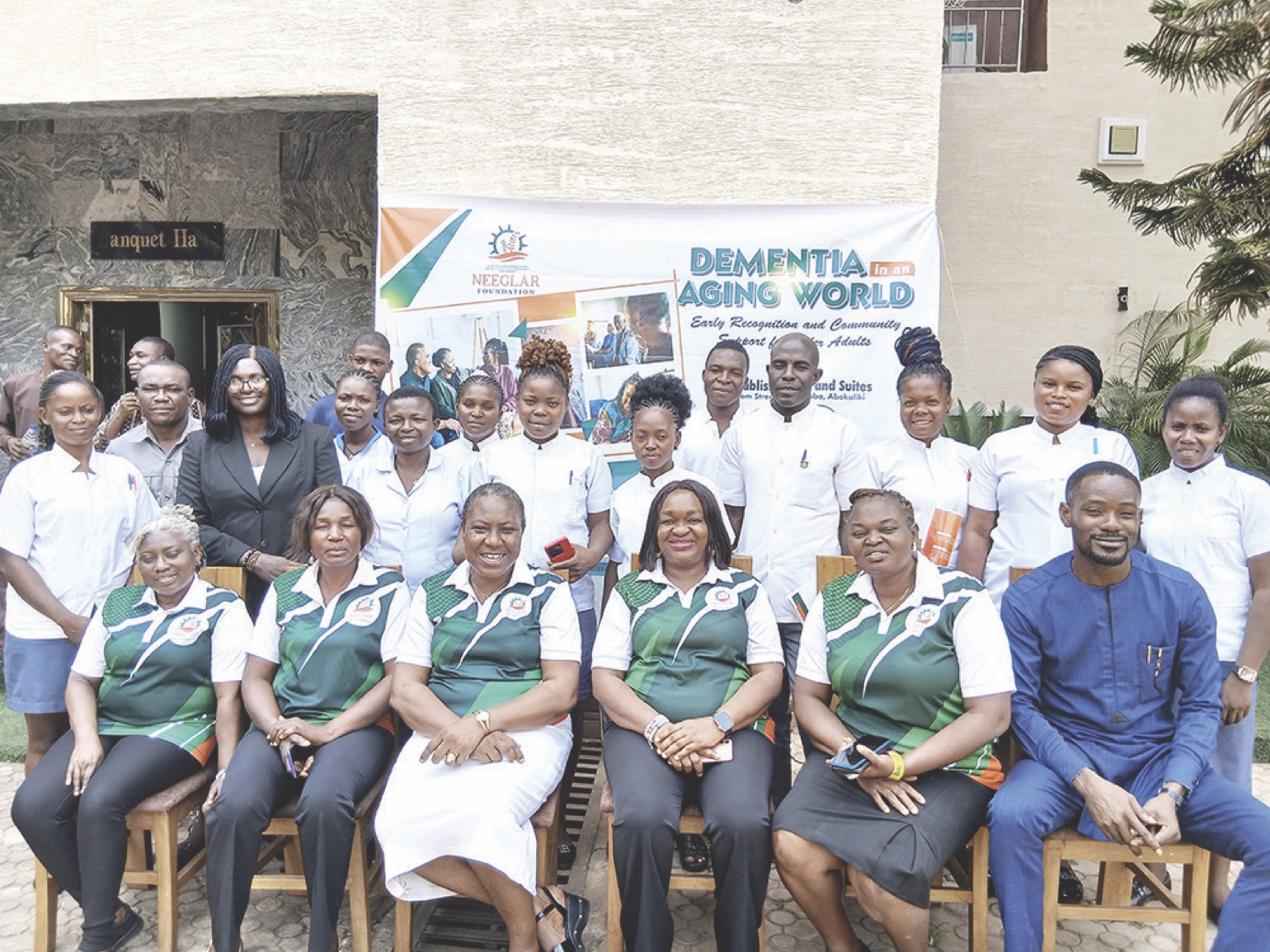
From Uchenna Inya, Abakaliki
Dementia, a progressive neurodegenerative disorder, is characterized by the decline of cognitive functions, including memory, reasoning and communication abilities. It is a decline in mental ability such as memory, reasoning and communication severe enough to interfere with daily life.
The disease is caused by physical brain damage, often from diseases like Alzheimer and the symptoms worsen over time. Dementia results from the damage or death of nerve cells and their connections in the brain.

While aging is the primary risk factor and it is mostly common in people over 65, dementia can also affect younger people. It is not a normal part of aging. In some forms of the disease, other factors such as high blood pressure and lack of exercise, may play a role.
Consultant psychiatrist with the Alex Ekwueme Federal University Teaching Hospital, Abakaliki (AE-FUTHA), Dr. David Nweke, said 55 to 57 million people worldwide live with dementia. According to him, this number is rising fast and is expected to reach between 139 and 153million by 2050.
Nweke, who lectured on the theme “Dementia in aging world: Early recognition and community support” during a workshop organized by Nutrition for Better Economy, Gender, Lifestyle and Agricultural Foundation (NEEGLAR) in Abakaliki, capital of Ebonyi State, said, globally, dementia care cost $1.3 trillion in 2019 and will climb even higher in the near future.
He said dementia is a leading cause of disability among older adults and the disease is usually progressive and irreversible.
“It results in the deterioration of all higher brain functions, including memory, thinking, orientation, comprehension, calculation, the capacity to learn, language and judgment. It is also accompanied by deterioration in emotional control, behaviour and motivation.
“Age is the biggest risk: dementia risk doubles every five years after age 65. Most people with dementia are 75 years old.
“In high-income countries, up to one in four people over 85 may have dementia. Over 60% live in low/middle-income countries today, and that’s rising. Women often have higher dementia rates (longer life expectancy),” Nweke said.
An emerging expert in dementia research and health innovation, combining cutting-edge science, translational impact and international advocacy, Kelechi Eluigwe, highlighted the influence of emotional wellbeing, stress exposure and social support on the onset, progression and lived experience of dementia.
She emphasized that addressing the psychological dimensions of dementia is not merely a clinical concern but a national imperative, with far-reaching implications for families, communities and the economy.
The health psychologist explained that the disease is often approached in Nigeria as an inevitable consequence of aging, discussed only after memory loss becomes severe and daily functioning is significantly impaired.
She argued that this late-stage focus obscures the long psychological trajectory that precedes diagnosis. Cognitive decline unfolds within a broader context of emotional health, chronic stress, social isolation and health-related beliefs.
For many Nigerians, particularly older adults, these factors, she said, are compounded by economic pressures, changing family structures, cultural expectations and limited access to specialized care.
According to her, anxiety, depression and prolonged psychological distress frequently go unrecognized in older adults, despite their strong association with accelerated cognitive decline and poorer dementia outcomes.
Eluigwe revealed that the brain remains sensitive to psychological stressors across the lifespan, stressing that chronic stress and untreated depression can influence neurobiological pathways linked to inflammation, vascular health and cognitive reserve, thereby increasing vulnerability to dementia.
“Elevated stress hormones such as cortisol are known to affect memory-related brain regions, including the hippocampus, potentially hastening cognitive impairment,” she revealed.
Eluigwe underscored that dementia risk and progression are not determined by biology alone but also by the interaction between psychological health, lifestyle factors, family dynamics and the broader social environment.
Eluigwe highlighted challenges specific to Nigeria’s dementia landscape. She said primary healthcare systems prioritize infectious diseases and acute medical conditions, while cognitive and psychological assessments in older adults are rarely routine.
Many individuals live with early dementia symptoms without diagnosis, support or guidance, while families struggle to interpret behavioral changes that are often dismissed as normal aging or attributed to spiritual causes. At the same time, traditional family support systems are weakening due to urbanization and migration, leaving caregivers with limited emotional and practical resources. Eluigwe warns that “this combination of delayed recognition and inadequate psychological support contributes to unnecessary suffering and faster functional decline.”
She revealed that people living with dementia who lack psychological support are more likely to experience agitation, depression and rapid loss of independence, increasing caregiver burden and healthcare utilization.
“Family caregivers frequently experience chronic stress, emotional exhaustion and financial strain, which in turn affects patient care quality. Over time, these dynamics contribute to lost productivity, rising healthcare costs, and long-term social dependency.”
Other News
She declared dementia as a public health and economic challenge and urged policymakers to recognize psychological care as central to sustainable dementia management, advocating evidence-based interventions that are culturally grounded and accessible.
She recommended integrating cognitive and mental health screening into routine care for older adults, alongside psycho-education on stress management, emotional coping and healthy aging.
Eluigwe opined that training community health workers, nurses and primary care providers to recognize early cognitive and psychological warning signs can facilitate early intervention.
She emphasized the importance of caregiver-focused psychological support, noting that caregiver wellbeing is a key determinant of dementia outcomes, saying that community-based structures, including faith-based and traditional networks, can be mobilized to reduce stigma and normalize conversations around dementia and aging.
A nutrition specialist, Dr. Cyprian Ogbonna, said, as the global population ages, the prevalence of dementia continues to rise, posing significant challenges to healthcare systems and caregivers alike.
Ogbonna, who is the head of the nutrition department in the state’s ministry of health, said dementia is increasingly recognized as a multi-factorial disease influenced not only by genetic and environmental factors but also by lifestyle choices, particularly nutrition.
“Poor nutritional status, including malnutrition, may accelerate the onset and progression of dementia. Malnutrition is particularly common among older adults with cognitive impairment, with prevalence ranging from 6.8% to 75.6% in long-term care settings.
“The mechanisms through which malnutrition influences cognitive decline include increased oxidative stress, neuro-inflammation, and the exacerbation of amyloid-beta (A) and tau protein accumulation, all of which are key pathological features of Alzheimer’s disease (AD),” he stated.
He described dementia as a group of conditions characterized by a decline in memory, thinking, behaviour and the ability to perform daily activities.
He said while age and genetics play major roles, nutrition is one of the most important modifiable factors influencing brain health and dementia risk, adding that the brain uses about 20% of the body’s energy.
According to him, the brain depends on a constant supply of glucose, oxygen, vitamins, minerals and healthy fats and warned that poor nutrition can accelerate brain aging, while good nutrition helps protect neurons and cognitive function.
Ogbonna described memory loss as a serious clinical issue that poses challenges to patients, their families and society at large.
According to him, in severe cases, individuals experiencing memory loss may be unable to remember personal information about themselves, their families or even their investments.
Ogbonna also warned that poor dietary habits among many families worsen brain health, particularly due to excessive consumption of processed foods.
“The brain requires adequate and guided nutrition to function effectively. The brain uses about 20 per cent of the body’s energy,” he said.
He implored the young to avoid skipping their morning meals to avoid brain issues in old age, stressing that breakfast is much more important than other meals.
Ogbonna, however, said good nutrition does not cure dementia but can delay onset, slow progression and improve quality of life.
“Investing in healthy diets is one of the most cost-effective and powerful strategies for protecting brain health across the lifespan,” the nutritionist said.
Executive director of the NEEGLAR in the state, Mrs. Chinenye Azu Udu, said dementia is misunderstood in Nigeria despite its increasing cases among the aged. She said in many communities across the country symptoms of dementia are attributed to ageing myths rather than clinical conditions.
According to her, the gap leads to delayed diagnosis, caregiver burden and social exclusion of older persons. She said the one-day workshop on dementia represents a structured intervention designed to strengthen community-level dementia response in the state.
“Across Nigeria, dementia remains under-recognised, under-documented, and often misunderstood. In many communities, symptoms are attributed to ageing myths rather than clinical conditions. This gap leads to delayed diagnosis, caregiver burden, and social exclusion of older persons,” she said.
She added that sustainable change in addressing dementia must begin at the primary healthcare level.
“At NEEGLAR Foundation, we believe that sustainable change begins at the primary healthcare level.
“Frontline health workers are the first point of contact for most families. By strengthening their capacity, we strengthen the entire health response chain,” she stated.
According to her, the key objectives of the workshop include improving early recognition of dementia symptoms, enhancing structured referral pathways, strengthening caregiver education and support, promoting stigma reduction through community awareness, and improving documentation for evidence-based planning.