Follow Us on Google
….queries government interventions figures
From Adesuwa Tsan, Abuja
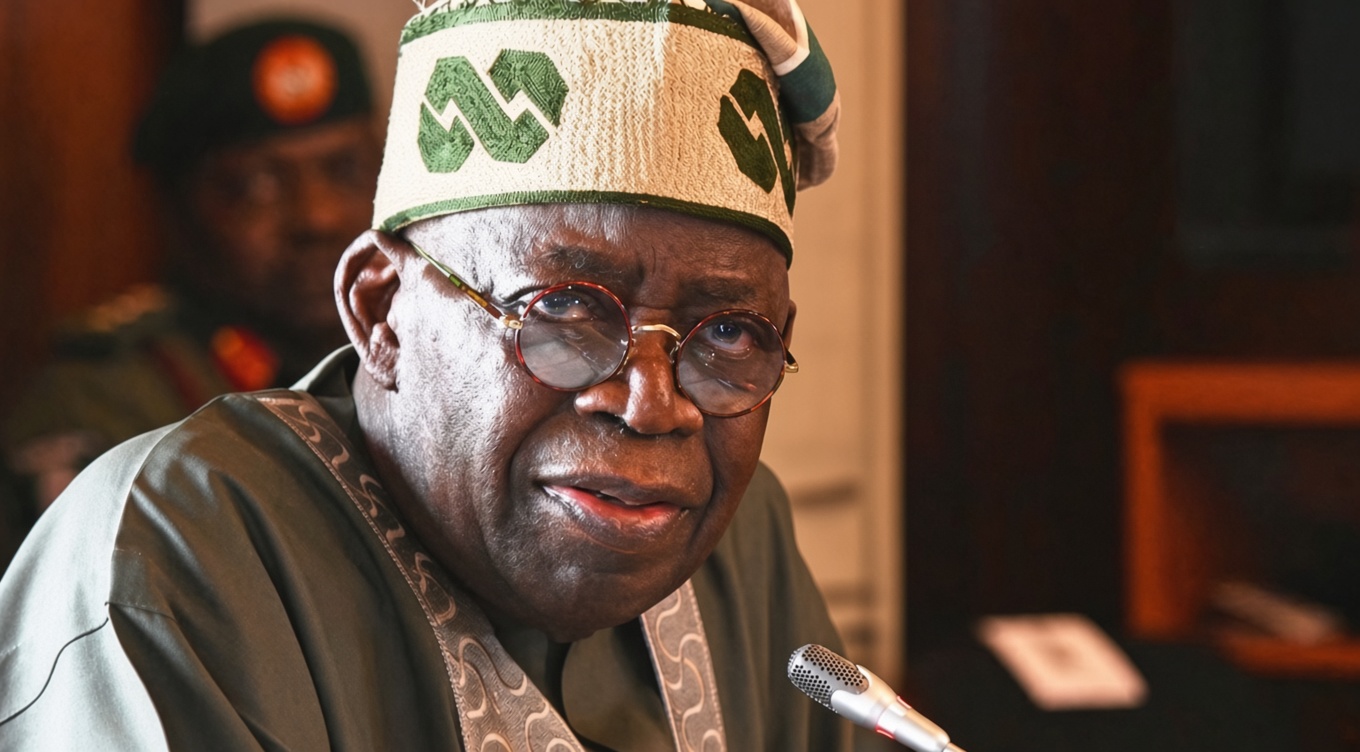
The Obidient Movement has faulted President Bola Tinubu’s 30-day petrol discount, restricted to Nigerian National Petroleum Company Limited (NNPCL) retail stations, insisting that Nigerians need sustained relief from high fuel prices rather than a temporary intervention.
This is just as it disclosed that Peter Obi’s proposed policy of making consumers pay half the reference price of petrol was a more effective way to ameliorate the financial hardship caused by thr policy.
The movement’s reaction came after the Minister of Finance and Coordinating Minister of the Economy, Taiwo Oyedele, on Thursday announced a proposed N1,350-per-litre ceiling on petrol’s landing or ex-gantry cost, alongside the discount arrangement under which NNPC Retail would forgo its profit margin and sell petrol at cost for 30 days.
In a statement issued on Friday by its Media and Communications Directorate, Onyeka Dike, the movement questioned the transparency of the government’s petroleum interventions and demanded independently verifiable data on daily petrol consumption, the actual cost of the product and the financial implications of the measures.
It argued that the latest announcement had renewed questions about the government’s claim that fuel subsidy had ended, while Nigerians continued to bear the burden of high petrol prices
and rising transportation costs.
“The Obidient Movement believes that Nigerians deserve affordable petrol without the corruption, secrecy and criminality that have characterised the management of fuel subsidy in Nigeria,” the statement said.
It maintained that under an Obi administration, subsidy would be restored through a transparent and verifiable framework designed to make Nigerians pay half the reference price of petrol.
“Under a Peter Obi administration, fuel subsidy will be restored, but not as a vehicle for enriching a privileged cartel at the expense of the Nigerian people,” it said.
The movement added that the proposed arrangement would ensure that “Nigerians pay half the price of petrol”.
Oyedele had explained that the Federal Government’s measures were not a return to blanket subsidy, but an attempt to moderate price volatility and cushion the impact of rising global energy costs.
Under the proposed landing-cost ceiling, refiners and importers would bear any shortfall when costs exceeded the agreed limit and recover it later when market conditions improved. The ceiling would be reviewed monthly, according to the minister.
However, the Obidient Movement questioned the figures underpinning the government’s interventions, contrasting the daily petrol consumption level of about 30-something million litres cited by President Bola Tinubu in September 2024 with the approximately 50 million litres reported by Oyedele in October 2026.
“How did Nigeria move from thirty something million litres to 50 million litres? Where is the independently verifiable data supporting this figure?” it asked.
The movement argued that consumption figures were central to calculating the cost of petroleum interventions and that any inflated or unverifiable estimates could expose public funds to abuse.
“This is not a minor discrepancy. When public interventions are calculated using the number of litres supposedly consumed, inflating consumption figures can create a channel through which public funds are diverted,” it said.
It called on the Federal Government to publish the data supporting its estimates, explain the methodology used to calculate daily consumption and allow independent verification.
The group also alleged that subsidy-related payments had continued under other descriptions, including under-recovery and energy security costs, despite the administration’s declaration that subsidy had been removed.
It explained that under Obi’s proposed half price policy, an independent panel would publish a weekly reference price based on international benchmarks, freight costs and verified local expenses. Going further, it added that the government would cover half the reference price through subsidy payments.
The movement said reimbursements would be tied to verified sales at metered filling station pumps, with digital tracking providing an auditable trail from refinery gate to consumers, while also proposing opening the scheme to all licensed Nigerian refineries, with access to locally produced crude oil for domestic refining governed by transparent rules.
Furthermore, the movement said the funding framework would require National Assembly approval and monthly public reports detailing reference prices, volumes sold, subsidy payments, beneficiaries, breaches, penalties, recovered funds and independent audit findings.
It also proposed audits of energy security contracts, measures to reduce crude oil production costs, stronger pipeline protection through partnerships with host communities and fair access to crude oil for licensed domestic refineries.
Obidients maintained that these measures would provide a more sustainable framework for petrol affordability than a temporary discount limited to NNPC stations.
The Federal Government, however, insists that the 30-day discount and proposed landing-cost ceiling are not a restoration of blanket subsidy, but measures intended to cushion consumers against global oil-market volatility without reversing the 2023 policy.