Follow Us on Google

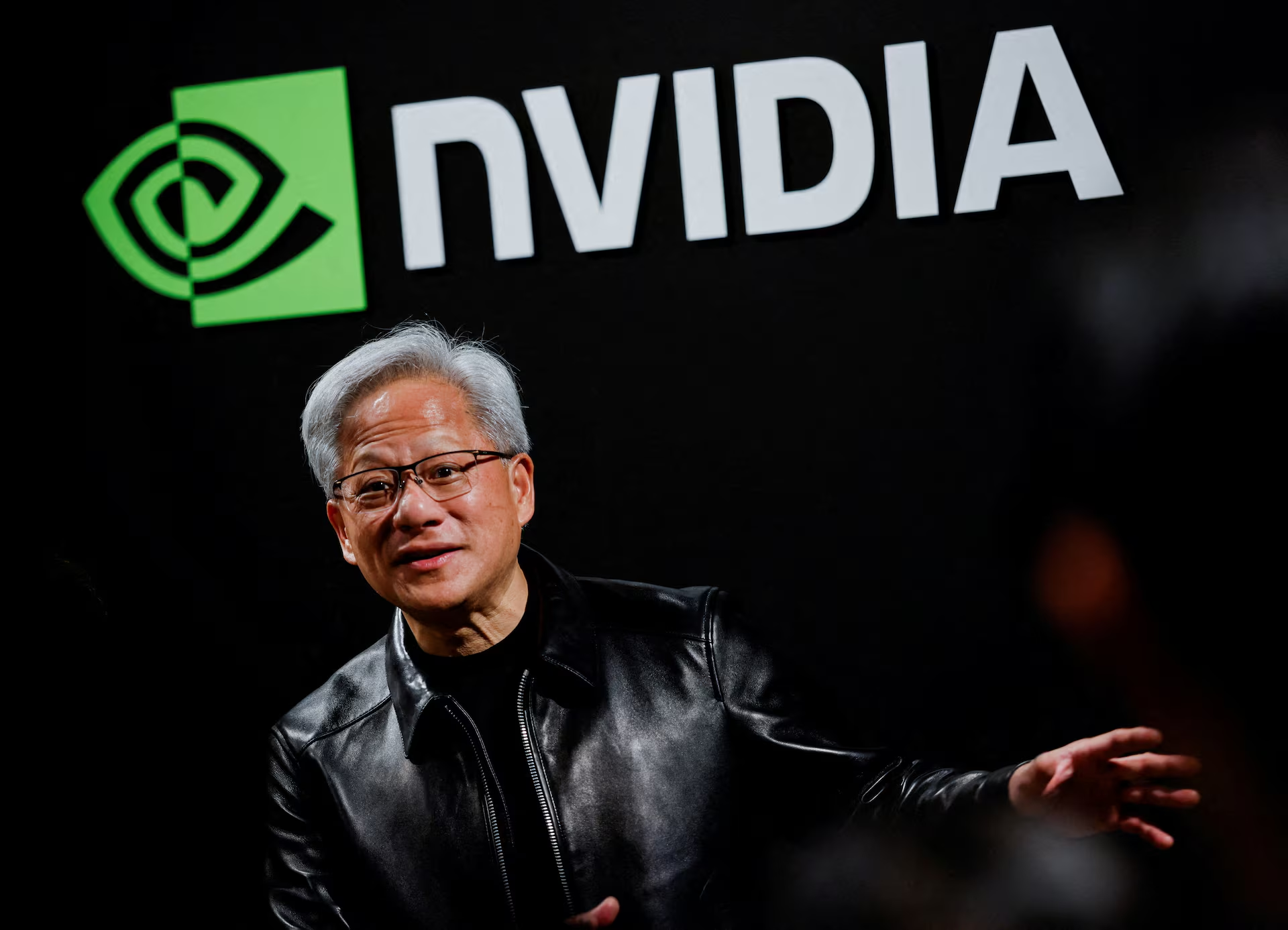
Nvidia’s board of directors has rejected the possibility of reinstating former chief executive Jensen Huang, despite calls from prominent figures, including United States President Donald Trump and billionaire entrepreneur Elon Musk, for him to return.
The decision came after Huang offered to resume leadership of the chipmaker following his resignation last week over a personal relationship involving a woman suspected of having links to Chinese espionage.
Harvey Jones, chairman of Nvidia’s board, confirmed the decision during an earnings call on Tuesday, saying the directors had unanimously accepted Huang’s resignation and would not reverse it.
“The Nvidia board unanimously accepted his resignation and does not intend to reinstate Jensen as CEO,” Jones said.
Huang had earlier indicated his willingness to return, citing appeals from employees, investors, business partners and customers.
In a statement issued hours before the company’s earnings announcement, he said: “Since my departure, I’ve seen an outpouring of calls from Nvidia’s employees, investors, business partners, and customers for me to return as CEO.”
He added: “If the Board of Directors decides that my return is in the best interest of our shareholders, our employees, the company, and America, I would be honored to answer these calls and return as CEO.”
His departure had generated reactions from several influential figures. Musk and others publicly called for his reinstatement, while Trump said he “would not mind” seeing Huang return to the company, playing down the espionage allegations.
However, Nvidia’s board maintained its decision, with interim chief executive Colette Kress declaring that the company was moving forward with its operations.
Kress described the situation as “business as usual” and said Nvidia remained focused on its business and technological development.
Despite the leadership controversy, the company announced a strong financial performance, reporting that its revenue more than doubled in the third quarter to over $115 billion, exceeding market expectations.
Kress also projected revenue growth of 75 per cent in the next fiscal year, compared with the previous forecast of 70 per cent.
She described the company’s performance as evidence of its continued strength, saying: “Our momentum is real. Nvidia is an exceptional technology leader, powered by the relentless innovation of our people.”
Huang’s exit has nevertheless unsettled investors. Nvidia has reportedly lost about $700 billion in market value since the scandal emerged, raising concerns about the potential impact of the leadership crisis on the artificial intelligence industry.
The controversy has also attracted attention from US lawmakers, who are expected to question Huang on December 1 over national security concerns.
At the centre of the allegations is Alice Huang, a former executive of Singapore-based cloud computing company Megaspeed. She is reportedly under investigation in connection with allegations that the firm helped Chinese companies obtain advanced Nvidia chips in violation of US export restrictions. She is not related to Jensen Huang.
The development comes as Washington tightens restrictions on the export and use of advanced artificial intelligence chips, including measures targeting data centres supplying computing capacity to companies in China and other restricted jurisdictions.
The United States government has also introduced licensing requirements for certain chip shipments to countries including Singapore, Malaysia, Thailand, Indonesia and Brazil over concerns about the diversion of advanced technology.
Huang acknowledged shortcomings in his personal conduct in a statement issued on Tuesday, saying: “I did not live up to the standards expected of everyone at NVIDIA, and I have made serious mistakes in my personal life.”