Follow Us on Google

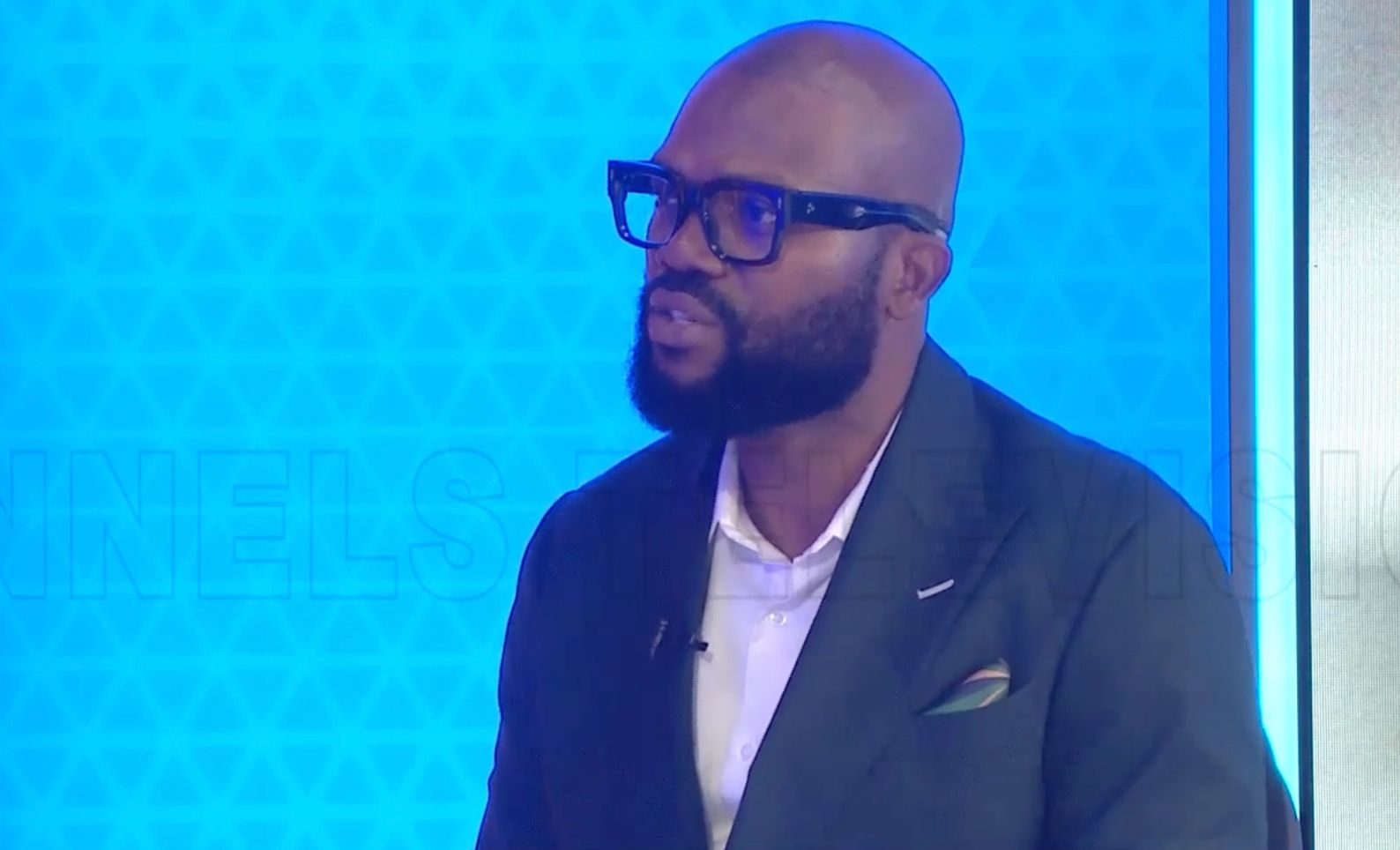
Chief Executive Officer of Loft & Keys Advisory, Chief Austin Albert Ugochukwu, has urged the Federal Government to expand public-private partnerships in housing development, saying collaboration with private investors could help address Nigeria’s housing needs and attract more investment into the real estate sector.
Albert proposed a model in which government would provide serviced land and basic infrastructure, while private developers and investors would finance and construct housing projects.
Under the arrangement, government would receive an agreed proportion of completed housing units for allocation to civil servants and other citizens, while private investors would market the remaining properties.
Speaking on Channels Television, he said the approach could reduce the financial burden on developers, who often have to negotiate with host communities and provide infrastructure before commencing construction.
He also urged the government to shift greater attention towards mass housing rather than concentrating investments in luxury property markets such as Lekki, Victoria Island, Ikoyi and Banana Island.
According to him, Nigeria’s population growth and increasing demand for residential, commercial and industrial properties present opportunities for investors, but the country must create an enabling environment for large-scale housing development.
Albert identified access to long-term financing as one of the conditions required to make such investments sustainable.
He said a stronger mortgage market would enable more Nigerians to purchase homes through financing rather than relying mainly on cash transactions.
“Investors don’t want to come into a market where those buying properties are just cash buyers. They need to know that there is a deep mortgage market where off-takers can leverage financing to acquire properties,” he said.
The real estate executive described the Federal Government’s housing finance initiatives, including the MOFI Real Estate Investment Fund, as steps in the right direction.
He said the fund has a reported allocation of about N1 trillion, with approximately N150 billion disbursed and financing extended to about 2,000 homes at an interest rate of 9.5 per cent.
He also welcomed the government’s diaspora mortgage initiative but questioned whether its 10-year repayment period would be affordable for some borrowers.
He advocated longer repayment terms and better alignment of the diaspora mortgage scheme with the MOFI fund to improve access to housing finance.
Beyond funding, Albert said reforms in land administration and property documentation were necessary to encourage long-term investment.
He called for a centralised digital property registry that would allow investors to verify ownership, review transaction records and access information on rental values and property prices from anywhere in the world.
He cited Dubai’s property registration system as an example of how government-backed records and digital documentation could reduce ownership disputes and improve buyer confidence.
Albert also called for stronger regulation of real estate developers and agents, arguing that clear professional standards would improve accountability and attract more established players.
“Everybody in Nigeria now is a developer, and every Tom, Dick and Harry is an agent. It shouldn’t be so.
Once we streamline and sanitise the sector, we will begin to see more serious players coming into the market,” he said.
He further identified foreign exchange stability, regulatory certainty, security and reliable market data as important considerations for investors assessing Nigeria’s property market.
According to him, international investors, including institutional funds, family offices and high-net-worth individuals, weigh both potential returns and the risks associated with investing in a country.
He urged government agencies to make property sales records, rental indices and other market information accessible through official online platforms.
Albert also pointed to infrastructure projects, including the Lagos-Calabar Coastal Highway and developments around Eko Atlantic City, as opportunities that could improve Nigeria’s attractiveness to international property investors.
He maintained that coordinated investment in housing, infrastructure, mortgage financing and property regulation would help unlock the potential of the country’s real estate market.