Follow Us on Google
From Tony John, Port Harcourt
The Nigerian Upstream Petroleum Regulatory Commission (NUPRC) has declared that no divestment will take place in the Niger Delta region without due consideration of the obligations of the outgoing operators.
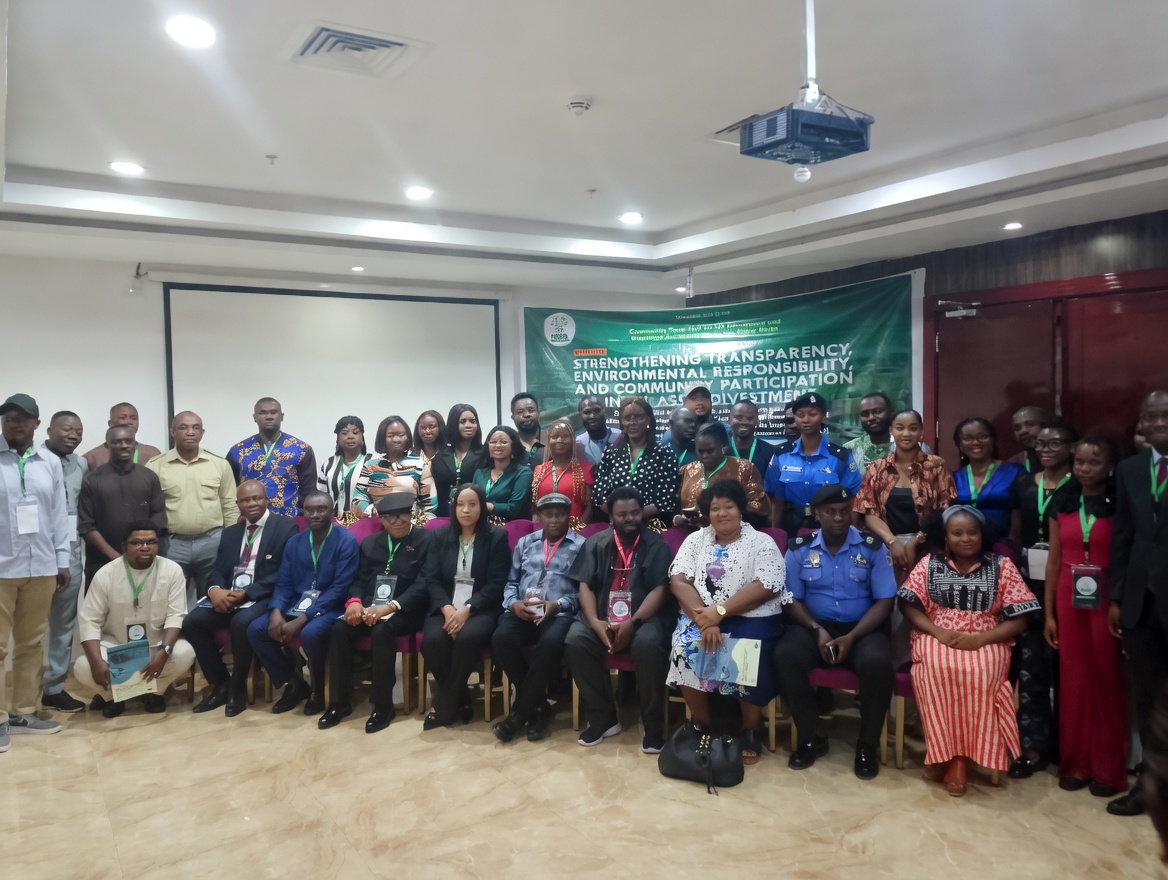
The Chief Executive Officer (CEO) of NUPRC, Mrs Oritsemeyiwa Eyesan, stated this at a Community Town Hall on Oil Divestment and Transition Accountability in the Niger Delta, organised by the Human and Environmental Development Agenda (HEDA Resource Centre), held in Port Harcourt, Rivers State, on Wednesday.
Represented by an Assistant Director in NUPRC, Mr Success Ikpe, the CEO emphasised that the divestment process would be implemented in line with the Petroleum Industry Act (PIA).
Eyesan noted the agitations of people from the region concerning their polluted environment and assured them of the commission’s commitment to ensuring transparency in the process.
She declared, “The commission wishes to emphasise here again that no divestment usually would be approved without due consideration of key obligations. These include the fulfillment of environmental mitigation responsibility, resettlement of outstanding liabilities and, of course, commitment as provided under the PIA.”
“We recognise the concerns of host communities regarding environmental degradation and continuity of social investment.”
“So, we wish to assure the public that NUPRC is committed to ensuring that exiting operators are usually held accountable for their obligations, whilst incoming operators are properly for technical, financial and social capacity to sustainably manage the assets they wish to take over.
“Furthermore, the commission continues to strengthen its monitoring and enforcement mechanisms to ensure compliance with statutory provisions and to promote transparency through the divestment process.”
Mrs Eyesan remarked that community engagement remains a key pillar for the commission and that NUPRC encourages continued dialogue to foster trust and mutual understanding.
She called on stakeholders to continue to work collaboratively with NUPRC in ensuring that the transition process delivers on environmental sustainability and socio-economic benefits for the people of the Niger Delta region.
“The NUPRC reaffirms its mandate as a fair, firm and transparent regulator. We remain committed to protecting the sector.”
Other News
In his welcome address, the Executive Secretary, HEDA Resource Centre, Mr Sulaimon Arigbabu, commended Transparency International (Australia) and the Natural Resource Governance Institute (NRGI) for their continued support and collaboration in advancing transparency, accountability and environmental justice within Nigeria’s extractive sector.
He emphasised that no divestment process can be considered successful if it leaves behind environmental injustice or excludes the voices of affected communities.
Arigbabu remarked, “We are gathered here at a critical moment in the history of Nigeria’s oil and gas sector. Across the Niger Delta, we are witnessing a significant shift as multinational oil companies divest from onshore and shallow-water assets.
“While these transitions are often presented as part of broader corporate restructuring and global energy transition strategies, their implications for host communities are profound and far-reaching.”
He said that, for many communities, oil exploration has come with heavy costs: environmental degradation, oil spills, abandoned infrastructure and disrupted livelihoods.
The executive secretary observed, “Today, as these assets change hands, there is a legitimate concern that these longstanding issues may be left unresolved, and that communities may once again bear the burden without justice or remediation.
“This town hall is, therefore, not just another meeting. It is a platform for listening, engagement and accountability.”
According to him, “the town hall is a space where communities can speak and be heard; government institutions can clarify policies and responsibilities; civil society can amplify concerns; and all stakeholders can work toward practical, people-centred solutions.”
He said the objectives of the engagement were aimed at deepening awareness of oil asset divestment and its implications; fostering open dialogue between communities, regulators and other stakeholders; documenting real experiences and concerns from the grassroots; and generating actionable recommendations that will inform policy advocacy and reform.
He highlighted other important areas stakeholders should examine, including environmental liabilities and responsibility for remediation; accountability of exiting and incoming operators; the role of regulatory institutions in oversight and enforcement; and the place of communities in decision-making processes that directly affect their lives and livelihoods.
He declared: “Together, we can ensure that the transition taking place in the oil sector does not become another chapter of neglect, but rather a turning point toward justice, sustainability and inclusive development in the Niger Delta region and Nigeria at large.”