Follow Us on Google
From Juliana Taiwo-Obalonye, Abuja
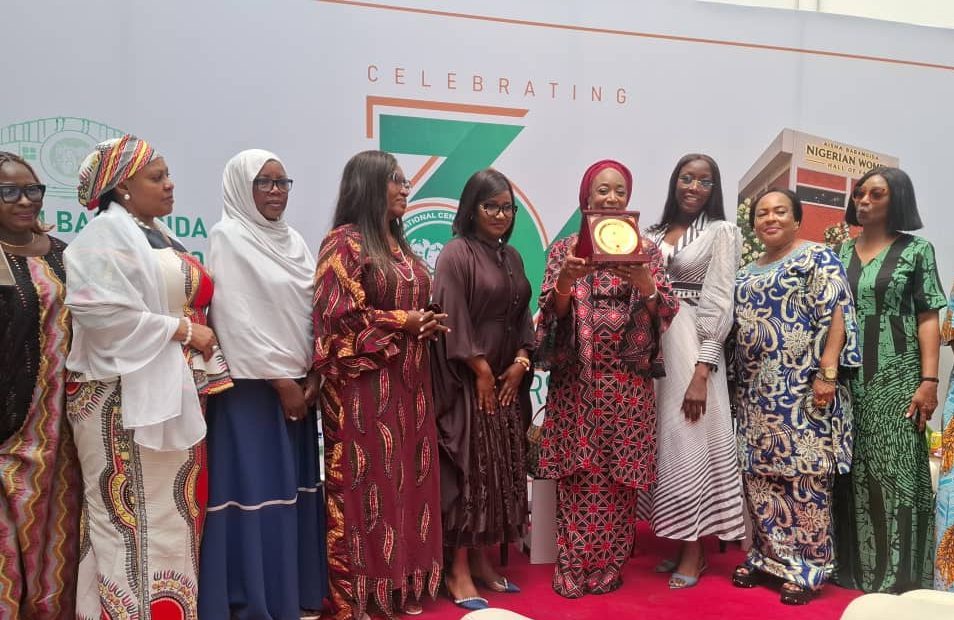
The Maryam Babangida National Centre for Women Development and the Nigeria Union of Journalists (NUJ), Federal Capital Territory Council, have agreed to strengthen media advocacy for women’s inclusion, as the centre secures its first wheelchair-access ramp, 34 years after its establishment.
The centre’s Director-General, Dr Adedayo Benjamins-Laniyi, disclosed this during a visit by an NUJ FCT delegation led by its chairperson, Grace Ike.
She said Julius Berger, which constructed the facility, was providing the ramp free of charge.
The proposed media partnership aims to amplify women’s voices, particularly those of rural women, women with disabilities and grassroots entrepreneurs.
The meeting with a theme: Women in Journalism: Centring Women’s Stories, Voices and Contributions for National Development, also explored journalist training, regular reporting on women’s issues and platforms to document their contributions.
Benjamins-Laniyi urged journalists to move beyond occasional coverage to sustained reporting that informs policy, shapes public attitudes and holds institutions accountable.
She proposed gender-sensitive training, public awareness campaigns and regular media engagements.
Ike, in her address, said inclusion must extend beyond physical access to ensuring women’s experiences and achievements receive attention in public debate and policy decisions.
“Inclusion must be intentional, not symbolic,” she said.
She called for greater visibility for rural women, informal-sector workers, women with disabilities and young women.
She urged sustained reporting on women’s leadership, economic empowerment, health, education and rights, rather than coverage limited to commemorative events.
Ike also advocated documenting accomplished Nigerian women’s histories and using the Nigerian Women Hall of Fame at the centre as a living archive.
She pledged the council’s support and proposed a follow-up meeting to agree on joint activities.
Both institutions are expected to appoint focal persons and assess results, including stories published, women reached and awareness raised.
The centre, established in 1992 under former First Lady, Maryam Babangida’s Better Life Programme for Rural Women, promotes skills development, economic empowerment, gender advocacy, research and women’s leadership, including through partnerships with UN agencies.