Follow Us on Google
From Charity Nwakaudu, Abuja
The Nigeria Hydrological Services Agency (NiHSA) has issued a serious warning over rising water contamination across the country, identifying Lagos, Kogi, and Kebbi as high-risk states in its latest Water Quality, Flood Assessment, and Validation Report.
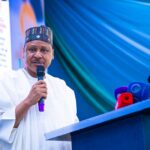
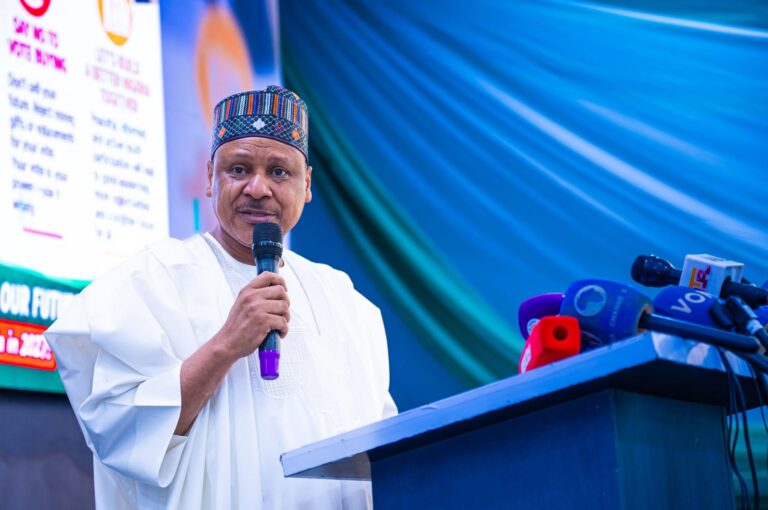
Addressing journalists in Abuja, NiHSA’s Director-General, Umar Ibrahim Mohammed, described the findings as alarming and urged government authorities at all levels to act swiftly to prevent a public-health crisis.
According to the report, groundwater in Lagos contains hazardous levels of nitrite, fluoride, lead, and cadmium, as well as significant microbial pollution.
The contamination has been linked to industrial discharge, sewage leakages, waste dumping, and corrosion from ageing pipelines.
Mohammed warned that such pollutants pose risks of neurological damage, kidney problems, bone deformities and blue-baby syndrome. He added that flooding and damaged drainage systems are worsening the situation.
“In Kogi State, groundwater tests showed extremely high lead concentrations, ranging from 12.0 mg/L to 0.56 mg/L—levels far above acceptable standards.
“Widespread microbial contamination, including E. coli, Streptococcus, and Salmonella, was also detected.
Other News
“NiHSA cautioned that residents face increased danger of lead poisoning, impaired cognitive development, and severe waterborne infections.
“Kebbi recorded some of the most critical results, with arsenic levels in well water measured between 0.75 mg/L and 4 mg/L across several local government areas.
“Long-term exposure at these concentrations can lead to arsenicosis, liver damage, and serious gastrointestinal illnesses,” the agency warned.
NiHSA appealed to federal and state governments, emergency agencies, and local authorities to “act now” to safeguard water sources and protect vulnerable communities.
The agency stressed that its early warnings, flood assessments, and drought forecasts are aimed at helping the nation prevent avoidable disasters.
“In a country where the North battles drought and the South faces frequent flooding, our work is essential to national safety,” Mohammed said.
He urged citizens to heed the NiHSA advisories, noting, “We can only build a safer, more resilient nation if Nigerians work with us.”