Follow Us on Google
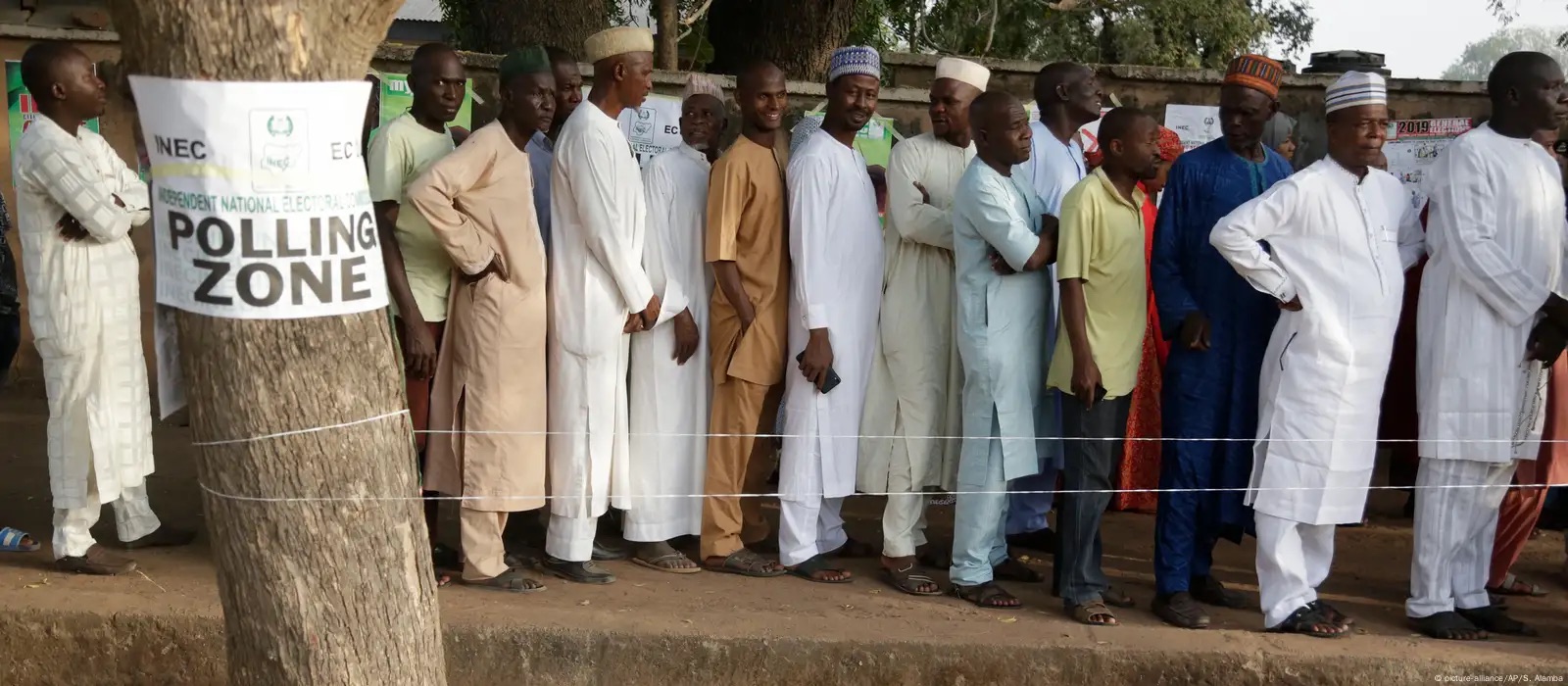
The much-anticipated August 16 legislative by-elections, held in 16 constituencies across 12 states of the federation and a re-run poll held in two states, were a sham. The elections were to fill some vacant positions at the national and state legislative seats in 7,324 polling units. The exercise revealed that Nigeria still has a long way to go towards having credible elections.
The by-elections were occasioned by the deaths and resignations of lawmakers who had occupied the positions. The re-run poll in Enugu South 1 state constituency and the Ghari/Tsanyawa state constituency in Kano witnessed violent disruptions that had affected the earlier polls. The All Progressives Congress (APC) won in 12 constituencies, the All Progressives Grand Alliance (APGA) won in two, the Peoples Democratic Party (PDP) won in one while the New Nigerian People’s Party (NNPP) also won in one. The outcome elicited mixed reactions. While the winners hailed the conduct of the poll, the losers bemoaned it. No doubt, there was no improvement in the conduct of the poll by the Independent National Electoral Commission (INEC).
Civil Society Organisations (CSOs) and other election monitors were worried about the conduct of the elections. They reported that massive vote-buying, rigging, thuggery, violence and other infractions witnessed in the 2023 general election were on full display during the off-cycle poll in most of the affected states. Sadly, the election could still not hold in Enugu South 1 state constituency following the stalling of the poll in eight polling units. This made it the fourth time election could not hold in that constituency. According to the state Resident Electoral Commissioner, Chukwuemeka Chukwu, the commission deployed men and materials for the election, but people refused to vote, with some carrying placards.
In Zamfara, there were irregularities in five polling units of Sakajiki and Kyambarawa wards of Kaura Namoda South constituency for the state House of Assembly by-election. Thus, INEC declared the poll inconclusive. In the Jigawa by-election, there were allegations that the Bimodal Voter Accreditation System (BVAS) machine failed to work in some places. In some states, INEC Report Viewing (IReV) portal reportedly failed to achieve 100 per cent upload of results even after three days. Some observers noted that only four out of 16 by-election constituencies and two re-run election constituencies had achieved 100 per cent upload on IReV three days after the election.
In Kano state, allegations were rife that thugs disrupted the state Assembly by-election in Ghari, Bagwai and Shanono. Over 300 suspected thugs were said to have been arrested in the state. The police recovered some ballot boxes, thumb-printed ballot papers, 14 vehicles and over N4 million cash. They also recovered a pump action rifle, five locally-made guns, 16 swords and 18 cutlasses. The arrested culprits have reportedly been charged to court.
Also, there were incidents of violence in Anambra, Kogi and Enugu States. Reports of vote-buying across many of the polling units were widespread. A vote buyer was said to have been arrested in Kaduna with over N25 million cash. Security officers in Ogun State also reportedly arrested some people suspected to be INEC staff and a politician with a huge amount of money. These same irregularities occurred in the off-cycle governorship elections held on November 11, 2023, in Bayelsa, Imo and Kogi States.
This is why voter apathy has become a feature of our polls. It manifested in the February 2023 general election. About 28 per cent of the registered voters cast their votes on the election day. This made it the lowest turnout since the advent of this democracy in 1999. It clearly showed again in the August 16 polls. From the look of things, the by-elections are a poor rehearsal for the 2027 general election. It is unfortunate that our elections are still a ‘do-or-die’ affair despite promises by INEC to do better. The win-at-all-cost orientation of our politicians has not changed. The political class should not take Nigerians for a ride. It should not be business as usual in 2027.
Voter education is needed at party and community levels to mobilise voters to participate fully in subsequent elections. The National Orientation Agency, INEC, CSOs, the media, and political parties have a big role to play here. INEC must put its house in order before the 2027 poll. It should be made a free and strong institution. It must stand firm and ensure that votes count and people’s wishes are respected.
Electoral reform is the way to go. Electronic voting should be made compulsory to check incidents of rigging and guarantee credible election results. It will go a long way in restoring confidence in our electoral process. The National Assembly should expedite action on passing it into law if we are serious about enthroning free and fair elections in Nigeria. Enough of the charade called elections in Nigeria.