Follow Us on Google
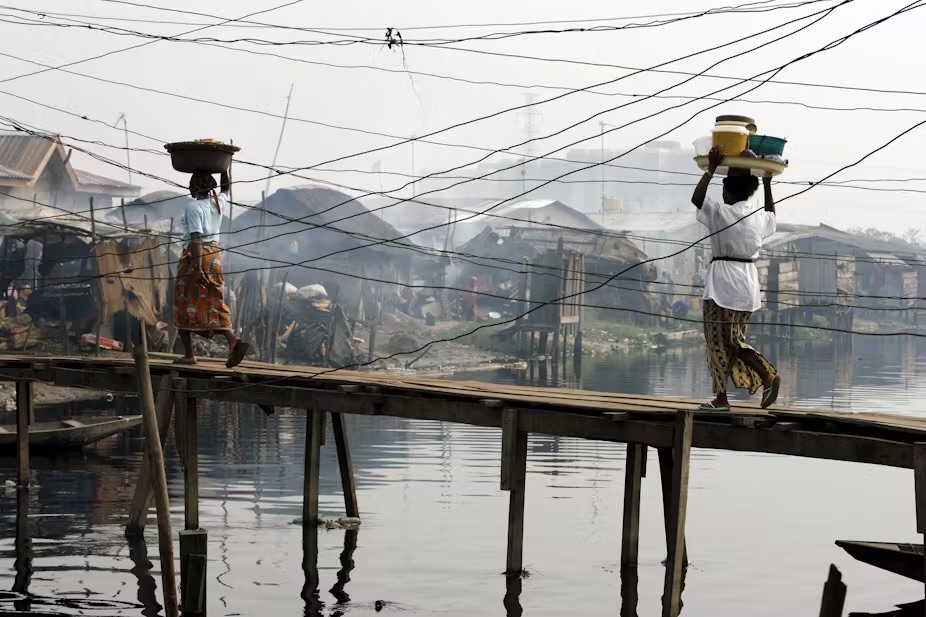
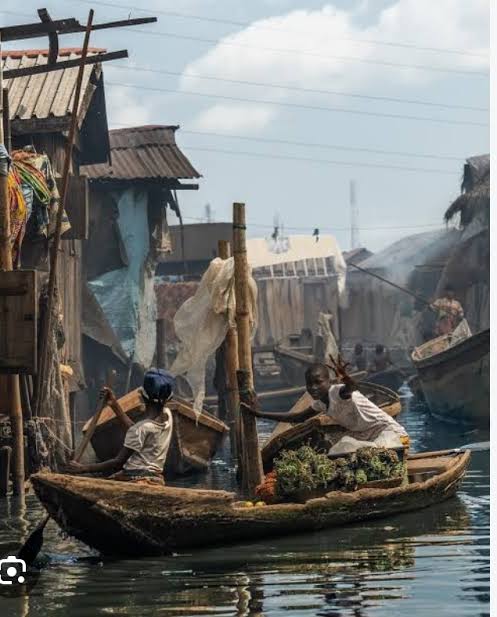
A new damning report from Oxfam, a British-founded non-governmental organisation that focuses on poverty alleviation and inequality, has revealed that the concentration of wealth in the hands of the wealthy in Nigeria has reached an alarming level. According to Oxfam Country Director in Nigeria, Mr. John Makina, a privileged minority 10 per cent of privileged Nigerians currently controls about 90 per cent of the country’s wealth while millions of Nigerians are trapped in extreme poverty and survive on than N3,000 per day. Sadly, these poor Nigerians don’t have enough money for essential food items, health care and other basic human needs.
The Oxfam report also shows that more than two-third of teenage girls in the Northern states of the country are unable to read and write, while women who work hard on farmlands own only 13 per cent of the land. The report has also been corroborated by another report by Development Finance International (DFI), which put Nigeria last in the list of 154 countries ranked by their ‘commitment to reducing inequality.’ It describes Nigerian government’s budget allocation to health, education and social welfare as ‘shamefully low.’ It says that the report reflects very poor social outcomes for the citizens. Other reports on income inequality in the country say the richest man in Nigeria earns 8,000 more each day than his poor compatriots would spend on their basic needs a year. As harsh as the report seems, it is a grim reality of the Nigerian situation. In 2018, the former British Prime Minister Theresa May had during her visit to some African countries painted a grim picture of economic inequality in Nigeria. She said, with supporting evidence, that ‘few Nigerians are enjoying the fruits of a resurgent economy.’ She also stated that over 87 million Nigerians were living below $1.90 per day, making Nigeria ‘home to more very poor people than any other nation in the world.’
A survey by the National Bureau of Statistics (NBS) in 2022 revealed that about 133 million Nigerians were multi-dimensionally poor. This represents 63 per cent of Nigeria’s population put at 220 million. Nigeria’s most serious challenge remains the income disparity between the rich and poor. That is what is breeding mass discontent, mass poverty and hunger. Nigerians have protested against poverty and hunger. The widening income gap between the rich and the poor should be addressed before it is too late. Let the federal government come up with pragmatic measures to redistribute income. It must begin to intentionally evolve plans to lift millions of Nigerians out of poverty. This is not something the cash transfer of N30,000 per month can do. It requires more rigorous planning and execution. Our current poverty alleviation plans are haphazard, sectional and ineffective.
Other News
They cannot lift even one million Nigerians out of poverty. The government must pay urgent attention to mechanization of agriculture and making agribusiness attractive to young Nigerians. The 36 state governors should invest so many resources in the development of the sector. We must also do away with corruption in government. Official corruption is why millions of Nigerians are poor and hungry. With unbridled diversion of public funds to private individuals, there will be no economic growth and the benefits of the United Nations (UN) Sustainable Development Goals (SDGs) will elude the masses. This can explain why millions of Nigerians have no access to potable water, functional health care facilities, quality education, shelter and food. Nigeria is one of the countries affected by Illicit financial flows estimated to be billions of dollars annually. The menace can be blamed for our under-development and excruciating poverty and rising income disparity in the country. This affects more women than men for obvious reasons, including lack of access to education, credit and business opportunities. This is worsened by inadequate infrastructure, government tax policies which favour large corporations and wealthy individuals, which is reported to have resulted in an estimated N5trillion revenue loss in 2024. The wealthy business people also receive tax waivers. In addition, weak governance and policy implementation, ineffective social safety net that expose the vulnerable population to economic shocks. While poor Nigerians wallow in abject poverty, the wealthy ones live in opulence.
The government must initiate concrete reforms to redistribute wealth by taxing the rich more than the poor. It must provide safety nets for the vulnerable and marginalized groups, including women and children. Let it break monopolies and increase the minimum wage to match rising living costs. Statistics show that about 65 per cent of Nigeria’s workers operate in the informal sector of the economy. Therefore, there is need to support the small and medium businesses with credit and tax incentives that can create good jobs and reduce unemployment that affects over 55 per cent of Nigerian youths, many of who are excluded from decision-making process in the country. The widening gap between the rich and poor will lead to nationwide crisis of unimaginable proportion if it is not urgently addressed.