Follow Us on Google
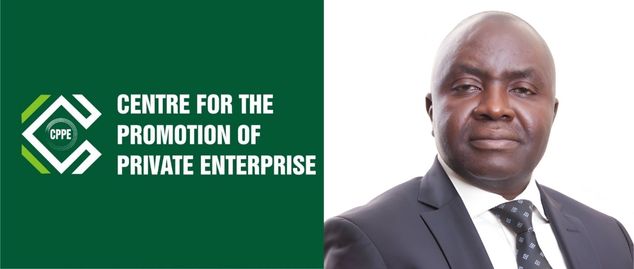
Nigeria’s electricity sector is once again at a critical crossroads as the Centre for the Promotion of Private Enterprise (CPPE) warns that deep structural flaws, rising debt and political resistance to tariff reform are pushing the industry toward an unsustainable future.
In a policy brief released on December 14 and signed by CPPE Chief Executive Officer, Dr. Muda Yusuf, the organisation described the power sector as one of the most complex and stubborn challenges in Nigeria’s economic reform journey, burdened by liquidity shortages, governance gaps and tough political choices.
Despite years of reforms, Nigeria’s power industry continues to struggle with unreliable supply, weak investment appetite and chronic financial stress. Sector-wide liabilities have now climbed to nearly N4 trillion, a figure CPPE says highlights the urgency for decisive but carefully managed reforms.
At the centre of the crisis is the inability to implement cost-reflective electricity tariffs. According to CPPE, social and political sensitivities—heightened by recent fuel subsidy removal and foreign exchange reforms—have made tariff increases difficult to sustain. Electricity prices remain capped, subsidies persist, and the resulting financing gap continues to widen, forcing government intervention to keep the system afloat.
Power sector reform, CPPE noted, is uniquely challenging because of the tightly linked nature of the value chain.
Gas supply, electricity generation, transmission and distribution are interdependent, meaning weaknesses in one segment quickly ripple through the entire system. Recent macroeconomic reforms, while necessary, have further complicated the reform environment by increasing operating costs and intensifying public resistance to higher electricity tariffs.
Beyond tariffs, CPPE identified deep-rooted structural weaknesses stemming from the privatisation era. Questions remain around the technical and financial capacity of some private investors, transparency during the asset sale process, and persistent governance failures—particularly among electricity distribution companies. These shortcomings have constrained revenue collection, limited investment in infrastructure and contributed to poor service delivery for consumers.
Transmission remains another major bottleneck. The Transmission Company of Nigeria, which is still fully government-owned, has struggled with inefficiency, underinvestment and slow network expansion. Although recent interventions under the Presidential Power Initiative have reduced the frequency of grid collapses, transmission constraints continue to limit how much power can be delivered to end users, undermining system reliability.
The financial strain across the value chain has entrenched a liquidity crisis. Generating companies are unable to pay gas suppliers, distribution companies cannot meet their obligations to generators, and transmission infrastructure remains underfunded. CPPE warned that this cycle of distress continues to erode investor confidence and threatens the long-term sustainability of the sector.
Given the severity of the situation, CPPE acknowledged that short-term government intervention has become unavoidable. Recent measures, including bond issuances to settle outstanding obligations to gas suppliers and generating companies, are aimed at preventing a collapse of electricity supply. However, the organisation cautioned that such interventions are only a temporary fix and cannot replace structural reform.
Encouragingly, CPPE noted signs of gradual progress. The introduction of tariff bands such as Band A, increased decentralisation with states playing more active roles, the expansion of independent power projects and the growing adoption of renewable energy solutions by households and businesses point to a slow but steady shift toward diversification and resilience.
Still, CPPE warned that the current financing model is not sustainable. With sector debt nearing ₦4 trillion, there is an urgent need to ensure that all claims are properly verified, rigorously audited and managed transparently. Nigeria’s past experience with fuel subsidies, the group noted, shows how poorly managed intervention programmes can be abused without strong oversight.
To move the sector forward, CPPE called for a clear and predictable roadmap toward cost-reflective tariffs, supported by targeted social protection for vulnerable consumers. It also urged stronger governance and accountability, stricter performance benchmarks for distribution companies, reforms to transmission management, and greater support for decentralised and renewable energy solutions. Government financial support, CPPE stressed, should be time-bound and tied to measurable reform milestones.
In conclusion, the policy brief emphasised that power sector reform in Nigeria is a long-term, incremental process rather than a quick fix. While short-term government support may be necessary to keep the lights on, only sustained structural reforms, fiscal discipline and improved governance can deliver a reliable, affordable and financially viable electricity sector capable of supporting Nigeria’s economic growth and development.