Follow Us on Google
By Chukwuma Umeorah
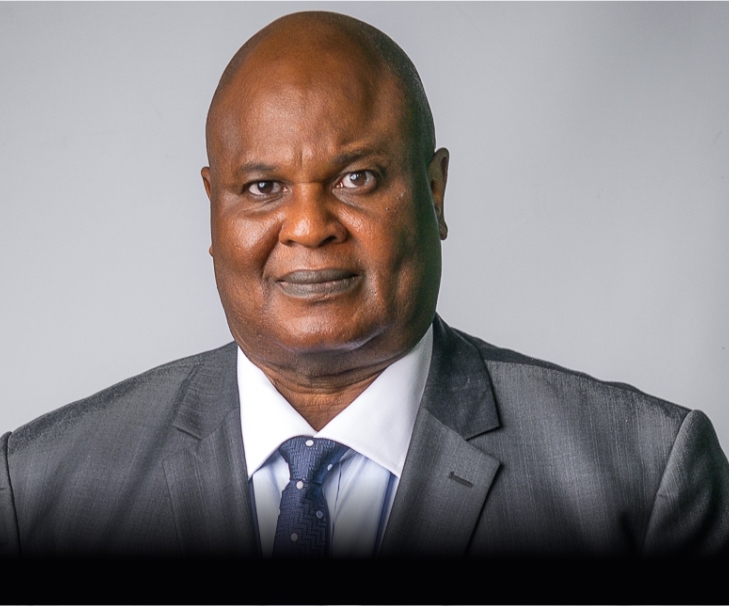
As Nigeria continues to explore ways to navigate its economic challenges, the Chief Executive Officer of Economic Associates, Dr Ayo Teriba, has emphasised the urgency of transitioning from an output-based economic model to an asset-driven one, warning that failure to do so will deepen the country’s economic challenges.
Speaking at the 2025 economic outlook event of the Association of Corporate Treasurers in Nigeria (ACTN) in Lagos, Teriba stated that Nigeria was sitting on vast but underutilised assets that could attract significant foreign direct investment (FDI) if properly monetised.
“The world has moved beyond relying on production and exports for economic growth. The countries that are thriving today are those that have successfully leveraged their assets to attract investment. Nigeria must do the same if it hopes to stabilise its economy and improve liquidity,” he said.
Teriba explained that global economic trends show that nations prioritising financialisation—turning state-owned resources into investment opportunities—were experiencing steady economic growth. He classified Nigeria among countries that had failed to adapt, alongside South Africa, Brazil, and Russia, which continue to struggle with liquidity crises and rising debt.
He criticised the government’s approach of relying on debt-financed growth rather than maximising state-owned enterprises and infrastructure. “Saudi Arabia turned its oil reserves into Aramco, one of the world’s most valuable companies. The UAE transformed Dubai into a global investment hub. Meanwhile, Nigeria continues to borrow when it should be attracting equity investments through its assets,” he said.
According to him, strategic sectors such as energy, railways, and telecommunications should be opened to private investment to reduce the burden on government spending. He pointed to the success of Nigeria’s telecom sector, which attracted private capital without government borrowing, as an example of what could be replicated in other industries.
Other News
Teriba also cautioned against Nigeria’s reliance on Chinese loans for infrastructure projects, stating that such agreements often came with unfavourable terms. “Chinese loans are structured as export transactions that primarily benefit China. Nigeria does not receive cash but instead pays for infrastructure projects using borrowed funds while the contractors, materials, and labour all come from the same China. This is not a sustainable approach,” he explained.
He proposed that Nigeria shift to asset-based financing by securitising national assets and creating a transparent investment registry where global investors can participate. “Instead of issuing Eurobonds or relying on loans, we should be issuing asset-backed bonds and equity-linked instruments. Investors are willing to come in if we create the right structure,” he said.
He also emphasised the need for states to leverage their own assets rather than depend on federal allocations. “Many Nigerian states have resources that are more valuable than entire economies elsewhere, yet they remain untapped. Governors need to start thinking like asset managers, not budget administrators,” he said.
On exchange rate stability, Teriba argued that strengthening Nigeria’s foreign reserves through asset-backed investments would provide a more effective solution than temporary government interventions. “If we increase our reserves through smart asset management, the naira will appreciate naturally, reducing inflation and improving economic welfare,” he noted.
Urging policymakers to act swiftly, he stressed that Nigeria’s economic challenges were a result of policy choices rather than external factors. “Nigeria’s outlook is potentially bright, but only if we make the right decisions. We cannot continue relying on outdated economic models. The time to transition to an asset-driven economy is now,” he said.
The President of ACTN, Adeyinka Ogunnibi, underscored the importance of innovative financial strategies in addressing Nigeria’s economic challenges. He noted that corporate treasurers played a pivotal role in shaping sustainable economic policies and called for increased collaboration between the private sector and policymakers. “As treasurers, we must embrace new approaches that not only enhance liquidity management but also drive long-term economic stability. The theme of this year’s outlook reflects our commitment to advancing financial solutions that can reposition Nigeria for growth,” he stated.