Follow Us on Google

DESPITE Federal Government’s structural reforms and the Central Bank’s intervention measures to stimulate growth amid the ravaging Coronavirus pandemic and the $3.5billion loan from the International Monetary Fund (IMF), the global financial institution has expressed disappointment over the worsening socio-economic conditions in Nigeria. The IMF’s position is contained in its latest report entitled: “Article IV Consultation for 2020,” which ended on January 27, 2021. At the end of the meeting, the Board of the IMF noted that Nigeria’s economy has been hit hard by the COVID -19 pandemic.
Following the sharp drop in oil prices and capital outflows last year, Nigeria’s real Gross Domestic Product (GDP) contracted by 3.2 per cent in 2020 amid the lockdown and headline inflation, which rose to 14.9 per cent in November 2020, while food inflation increased to record high as a result of border closure and import restrictions. Unemployment rate reached 27 per cent in the second quarter (Q2) of 2020, with youth unemployment at 41 percent.
It was against this background that IMF approved Nigeria’s $3.5billion emergency loan request to assist the country tackle the impact of the COVID-19 pandemic. The loan, to be repaid within five years, is the largest credit facility given by the IMF to an African country to contain the pandemic. The $3.5billion emergency loan by the IMF is part of the $7.05billion (about N2.67trillion) loans application by the government from multilateral financial institutions.
Other loans sought by the government but yet to be approved include $2.5billion from the World Bank, $1billion from the African Development Bank (AfDB) and others from the Islamic Development Bank. Specifically, the IMF loan represents the total of Nigeria’s existing holding with the Fund, under the Rapid Financing Instrument, which offers funding without the strings of a full programme. It is believed that without these loans, Nigeria’s economy will be in negative territory following last year’s near collapse of the price of crude oil in the international market. Certainly, revenue from crude oil constitutes more than half of government revenues and about 90 per cent of exports. This can explain the government’s inability to finance the 2020 budget in which fiscal deficit was as high as N5trillion. The $3.5billion emergency loan will help to improve Nigeria’s current foreign reserves. It is also heartening that the IMF has asked the government to adopt new borrowing limits, support balance of payments and put measures in place to prevent currency crisis. Nigeria’s balance of payment deficit for 2020 was about $9billion.
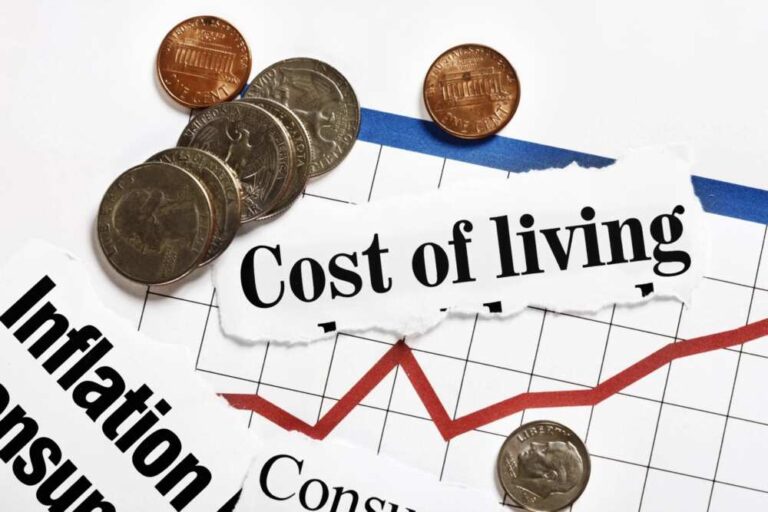
We decry the present deteriorating socio-economic conditions in the country. It is lamentable that Nigeria’s “external vulnerabilities due to lower oil prices and weak global demand have increased.” The increasing budget deficit is already evident in the first quarter of the year. The latest inflation rate is 16.47 per cent, the highest in three years, while food inflation stands at 20 per cent, according National Bureau of Statistics (NBS). The cost of petrol has also increased. Nigerians are passing through difficult times.
Although the Federal Government has, to some extent, addressed the structural damage to the economy, there is still limited fiscal space to support the economy. At the recent Monetary Policy Committee (MPC) meeting of the CBN, it admitted that the 0.3 per cent of GDP COVID-19 stimulus package was abysmally low to stimulate real growth. More of such interventions have become expedient. That is why the IMF has called for urgent policy adjustments and more fundamental reforms to sustain the macroeconomic stability that will stimulate growth and create more jobs.
Therefore, the economy needs more reforms to lift it from the effects of the pandemic. There is need for improved social safety nets that will cushion the effects of the pandemic on the poor citizens. The government should do more to lift many Nigerians out of poverty. Unfortunately, President Buhari’s promise to lift 100 million Nigerians out of poverty in 10 years has not been fulfilled. There is need to support Small and Medium Enterprises, improve Ease of Doing Business and invest more in education, health and human capital development. Good governance, which Nigerians crave for, can only ensue if corruption is frontally tackled.