Follow Us on Google
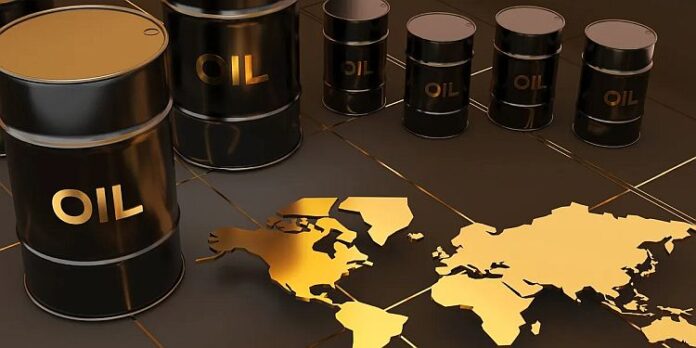
Nigeria’s fiscal position remains under pressure despite a strong rally in international oil prices, as persistent weaknesses in offshore crude production leave output below the level assumed in the 2026 federal budget, MoneyAfrica said in its newsletter on Monday.
The country produced an average of 1.505 million barrels per day of crude oil in July, according to industry figures, keeping it marginally above its Organisation of the Petroleum Exporting Countries production quota of 1.50 million bpd for the third consecutive month.
However, July output was 4 per cent lower than in June, reflecting technical disruptions at some offshore oil fields.
MoneyAfrica said while the performance signals an improvement from the severe production losses Nigeria experienced in previous years, it remains insufficient to meet the government’s revenue plans.
When condensates are included, total liquids production averaged 1.67 million bpd in July, well below the 1.84 million bpd benchmark used in the 2026 budget.
The volume gap has remained a central risk to public finances throughout the year, constraining the amount of oil available for export and limiting the government’s capacity to convert stronger global prices into a material revenue windfall.
Crude prices have, nonetheless, provided an important cushion. Escalating tensions in the Middle East have supported global oil markets, pushing Nigeria’s realised crude prices to around 29 per cent above the budget benchmark of $64.85 per barrel.
“This suggests gross oil revenue during the first half of the year may have exceeded the budgeted level in nominal terms, even with production running below target.
Other News
Yet the higher-price environment has primarily neutralised the effect of lower export volumes instead of creating meaningful additional fiscal headroom.
Nigeria is therefore still exposed to a reversal in global prices, while its production base remains vulnerable to operational disruptions, infrastructure constraints and delayed investment”, the newsletter read.
The challenge is reflected in the government’s reported $2.49 billion oil-revenue shortfall in the first half of 2026. That underperformance, Money Africa, said, feeds directly into the fiscal deficit and could increase the government’s financing needs, placing further pressure on domestic borrowing costs and public debt metrics.
The administration has intensified efforts to attract investment into oil and gas, particularly deep-offshore projects that could help rebuild output over the medium term.
Measures include tax incentives intended to improve project economics, unlock capital and shorten the path to final investment decisions.
The government has set an ambition to raise production towards 3 million bpd, but the scale of capital expenditure, technical work and infrastructure improvements required means the target is unlikely to be achieved quickly.
MoneyAfrica said, “For now, Nigeria is producing enough crude to comply with its OPEC quota, but not enough to deliver the oil volumes embedded in its own budget. Until offshore operations are stabilised and new investment translates into sustained barrels, higher crude prices will offer only a temporary buffer rather than a durable solution to the country’s fiscal vulnerability”.