Follow Us on Google

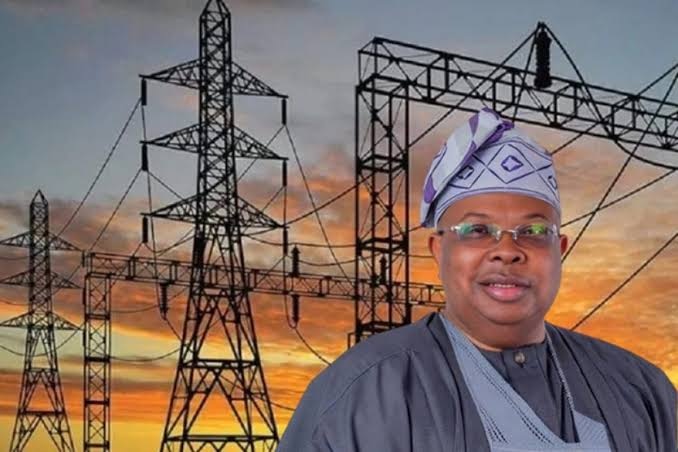
•Households, businesses groan, minister blames constraint on maintenance, gas supply
Nigeria’s electricity supply crisis has worsened, with power generation dropping to 2,692 megawatts (MW), as 10am yesterday morning, leaving households, businesses and public institutions grappling with increasingly unreliable electricity supply.
The decline in generation has further compounded the challenges facing electricity consumers, particularly in Lagos, Abuja and other major commercial centres, where prolonged power outages have forced households and businesses to seek alternative sources of electricity.
Data from the Nigerian Independent System Operator (NISO) showed that several generating plants were producing no electricity, further highlighting the challenges confronting the country’s power generation segment.
Among the plants listed with zero output were Afam VI, Alaoji, Gbarain, Geregu NIPP, Ibom Power, Ihovbor NIPP, Kashimbila, Olorunsogo, Omoku, Rivers IPP, Sapele, Taopex, Trans-Afam Power and Sapele NIPP.
The poor generation level has raised fresh concerns about the capacity of the country’s electricity industry to meet consumer demand, particularly as businesses struggle with rising operating costs associated with alternative power sources.
For households, the worsening supply situation means spending longer periods without electricity, with many forced to rely on petrol and diesel generators to power basic appliances, preserve food and meet other domestic needs.
Small businesses, particularly barbershops, restaurants, cold-room operators, welding workshops and other electricity-dependent enterprises, are also bearing the brunt of the crisis.
Many have had to increase spending on fuel to sustain operations, while others face the difficult choice of passing additional energy costs to customers or reducing operating hours.
Manufacturers and other businesses that depend heavily on electricity are equally exposed to higher production costs, with unreliable grid supply undermining productivity and competitiveness.
Other News
The development underscores the persistent challenges confronting Nigeria’s power sector, particularly inadequate generation capacity, gas supply constraints and operational difficulties affecting generating plants.
With electricity demand continuing to outstrip available supply, consumers are left to contend with the economic consequences of an unreliable national electricity system.
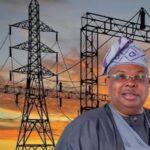
Meanwhile, the Minister of Power, Mr.Joseph Tegbe, in an update on the power situation said he was aware of the strain that the current outages have placed on households and businesses in four affected states, including Lagos and the Federal Capital Territory.
He, however, assured that the power supply crisis would be resolved in the next 48 to 72 hours.
Tegbe, explained that the planned maintenance at Egbin Power Station and constraints in gas supply to some thermal power stations have reduced the amount of electricity available on the national grid.
“Grid operators have, therefore, implemented load shedding in some areas to manage the shortfall. Sabotage of key transmission lines has also restricted the use of alternative routes to supply some locations, especially Lagos.
“My team and I are working to return the affected generating units to service in phases, with the first units coming back online within the next 48 to 72hours.
“We are also working with operators to improve gas supply and accelerate repairs to the damaged infrastructure,” the minister stated.